



V-League: When the Tide Rises, the Boat Must Rise



The 2026 V-League summer transfer market showcases a fascinating reality: Vietnamese football at the club level has never been so driven. Consider some key moves: Defending champions CAHN have brought in central defender Frans Putros—a starter for Iraq in the 2026 World Cup—plus midfielder Damia Sabater, forward David Henen, and goalkeeper Y Êli Niê. Nam Định FC, back-to-back champions, are strengthening their backline with French-Cameroonian center-back Félix Eboa Eboa, a product of the PSG academy.
Even a newly promoted side like Bắc Ninh FC has not hesitated to spend on Brazilian center-back Rafael Santos, who was part of Flamengo's 2019 Copa Libertadores-winning squad. SHB Đà Nẵng has even recruited a former Atlético Madrid player. And relegated first-division team Becamex HCMC has also been busy in the transfer market, trying to retain its core from last season's V-League campaign.
In a context where, at the national team level, we are trying to break free from the tight-fitting shirt of Southeast Asia, seeing the domestic league's developments brings a sense of excitement: the tide is indeed rising. But the more thought-provoking question is: Has the boat of Vietnamese football at the continental level risen accordingly?
The answer lies in the cold, hard numbers. For the upcoming 2026/27 AFC Champions League (ACL), Vietnam has only two spots: one ACL Elite playoff berth for CAHN and one ACL Two group stage slot for Thể Công Viettel. Meanwhile, Thailand—the benchmark for Vietnamese football—has three direct spots in the ACL Elite, plus additional ACL Two slots.
This is not a gap that can be closed with a few expensive foreign signings. It reflects the true standing of Vietnamese club football on the Asian map: impressive domestic achievements are still not enough to translate into coefficient points on the continental stage.
Looking at Vietnam's "do-or-die" match against Indonesia last night, the story of "the tide rises, the boat rises" becomes even clearer—but in reverse, as a warning. Indonesia's national team has aggressively naturalized players, building a squad capable of troubling any regional opponent. However, at the club level, their domestic league has only one representative in the ACL Two preliminary round.
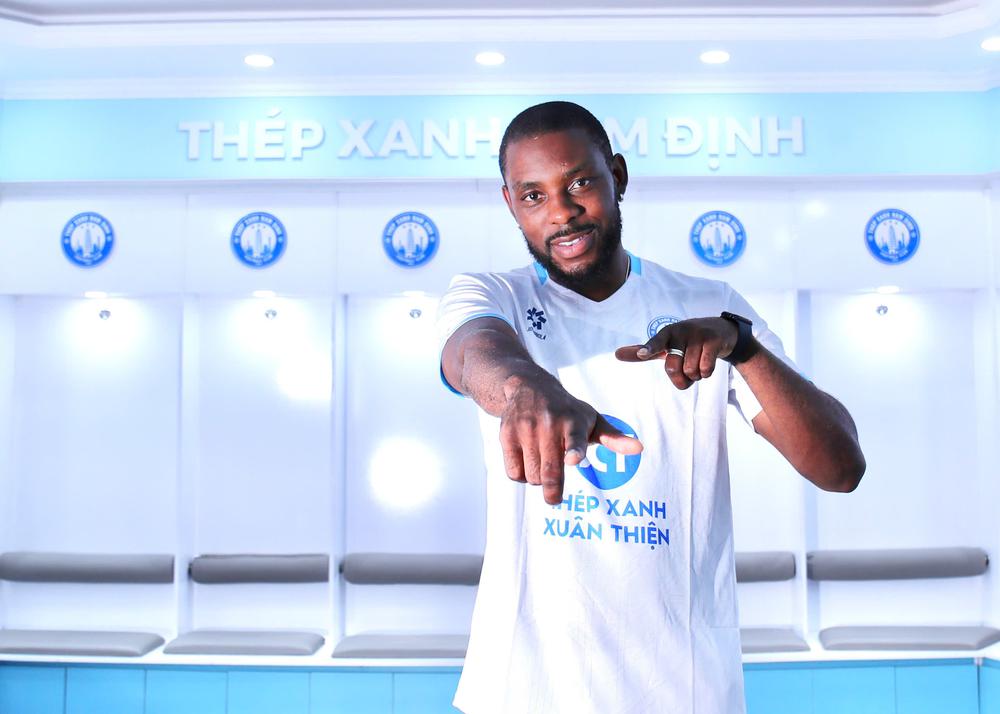
New Nam Định FC signing Eboa Eboa previously played for PSG's youth and reserve teams, before joining EA Guingamp and competing in Ligue 1, France's top flight. Photo: Nam Định FC
That is a dangerously unbalanced development model: the national team is fast-tracked through naturalization resources, while the club foundation—where players are forged week in, week out, and where a high-performance culture must be continuously nurtured—remains stagnant. A strong national team built on a weak club system is like a high-rise on shallow foundations: beautiful above the surface, but unable to withstand major shocks under sustained pressure.
Vietnamese football clearly has not chosen that path. In reality, despite being relatively open to naturalizing players, the Vietnam national team is still struggling in the 2026 ASEAN Cup itself, a tournament where we are the defending champions.
The draw with Singapore, and the tough challenge against Indonesia, have shown that adding foreign players to the national team lineup does not automatically translate into overwhelming strength. The issue runs deeper: it lies in whether the daily competitive environment of the players—the V-League—is generating enough pressure and quality of opposition to hone them.
Many times, the role of clubs has been mentioned. It is difficult for a national team to possess the mettle of a big side if the clubs' continental performances remain sluggish and inconsistent. The conversion of strength is clearly something that can be done faster and better at the club level. If that conversion fails at the club level, it is even harder to expect it to succeed at the national team level.
Signings like Putros, Eboa Eboa, and Rafael Santos not only upgrade the quality of their respective club squads. They force local players to compete more fiercely for positions, train at higher intensity, and play in an environment that approaches continental standards.
That is the only sustainable path to close the gap. Just as with the national team, bringing in foreign players is meant to improve the whole team, not to serve as a tool for achieving quick results.


Wonderfulshortvideo

vinicius junior transfer real madrid arsenal vini here we go arsenal news today real madrid news today ronaldo real madrid ronaldo edit



A sneak peak at yesterdays opener 👀

Think we might side with Francesca’s idea 😂

The highs & lows of racing 🐎
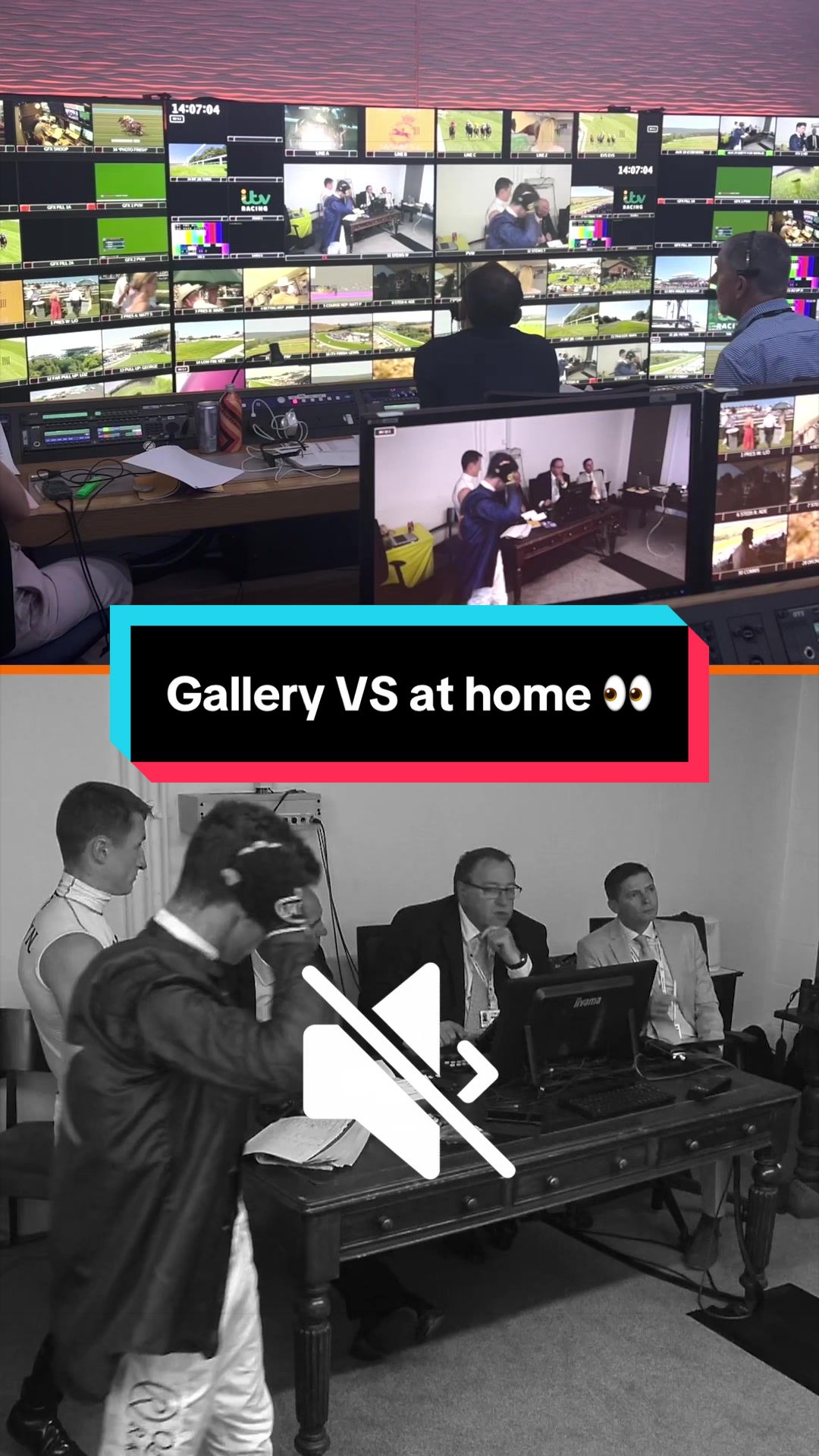
A different view to yesterday’s Stewards enquiry 👀

Perfectly explained by Francesca 🫶🏻

Keep an eye out for Adaay of Scarlett 👀
 Links
Links
 Contact
 App
App


