



Infantino in danger, 5 powerful figures unexpectedly named amid major turmoil at FIFA



The crisis surrounding Gianni Infantino is creating opportunities for multiple influential figures to join the race for FIFA President. Nevertheless, to assume the top position in global football, certain candidates might need to relinquish the "empire" that underpins their power.
President Gianni Infantino is facing the biggest challenge in his nearly decade-long leadership of FIFA. After his plan to channel World Cup commercial revenues into a structure involving private investors met with fierce backlash, football associations including Serbia, Sweden, and Wales have withdrawn their support for him.
The FIFA presidential election for the 2027-2031 term is scheduled for March 18 in Morocco. As Infantino's position wavers, Reuters points to five figures being mentioned as potential challengers to the Swiss leader. According to FIFA statutes, a presidential candidate must be endorsed by at least five member associations, have been actively involved in football for at least two of the last five years, and pass an eligibility check. The candidate registration deadline closes four months before the FIFA Congress begins.
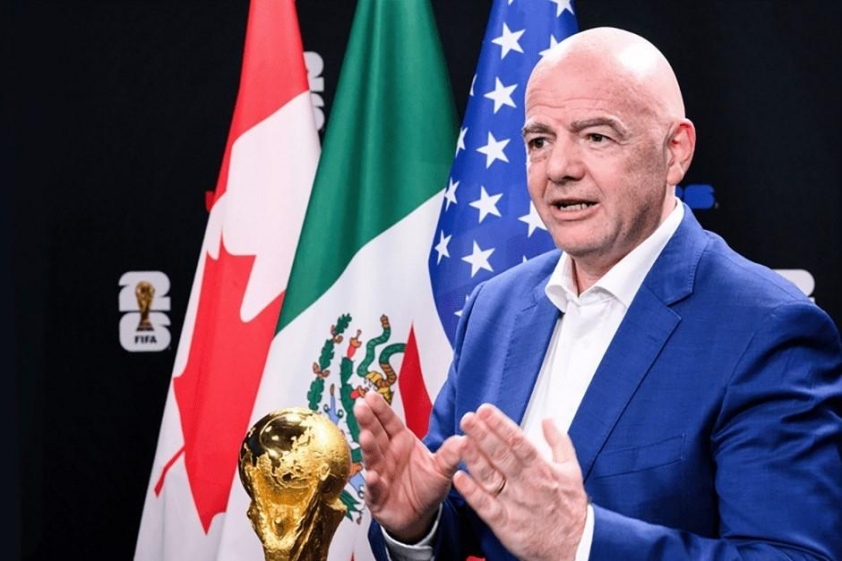
Victor Montagliani: The Most Direct Opponent
Victor Montagliani is seen as someone who can turn criticism of Infantino into a real election campaign. The Canadian executive has been CONCACAF President since 2016, while also serving as FIFA Vice President and a member of the FIFA Council. He also played a key role in preparing the 2026 World Cup in the United States, Canada, and Mexico, from selecting host cities to coordinating organizational work.
Montagliani's advantage is his experience working within FIFA's machinery, understanding how to lobby for votes, and potentially receiving support from North, Central America, and the Caribbean. CONCACAF opposed Infantino's private investment plan but did not take as confrontational a stance as UEFA. This allows Montagliani to present himself as a reform candidate without advocating for a complete dismantling of the current system.
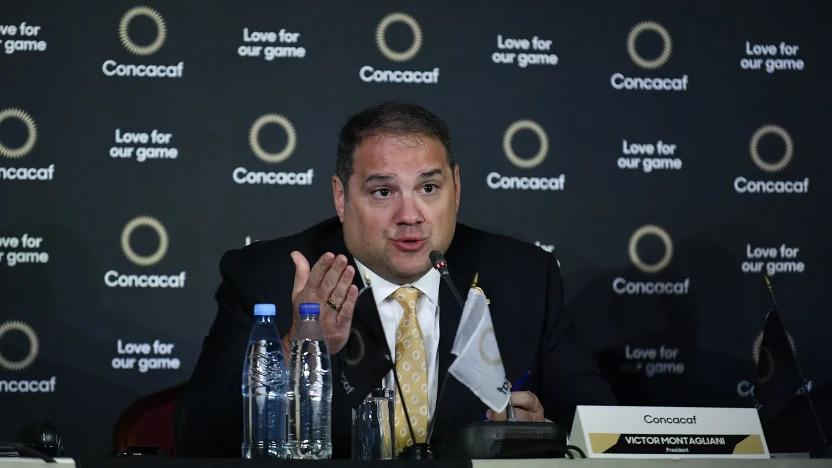
Aleksander Ceferin: The Strongest Force from Europe
Aleksander Ceferin is a figure who possesses the strongest political foundation among those who could challenge Infantino. The Slovenian lawyer has been UEFA President since 2016, and also serves as FIFA Vice President under the current structure.
The relationship between Ceferin and Infantino has soured after a series of disagreements over match schedules, the Club World Cup, the interests of continental confederations, and the plan to commercialize the World Cup. Ceferin even boycotted the most recent World Cup final, while UEFA led the wave of opposition to FIFA's private investment proposal.
UEFA has 55 member associations and owns the most profitable club competitions in the world. This is a strong enough platform for Ceferin to mount a serious campaign. However, Europe's economic power does not guarantee victory. Ceferin needs to convince non-UEFA associations that he will protect the interests of global football, rather than shifting FIFA's power center toward Europe.
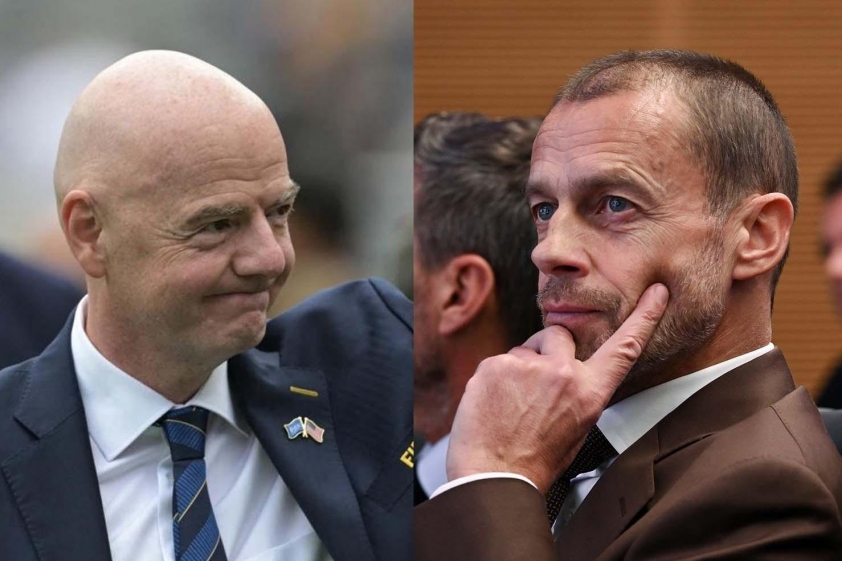
Sheikh Salman: The One Who Almost Beat Infantino
Sheikh Salman bin Ibrahim Al Khalifa is no stranger to FIFA elections. The AFC President directly faced Infantino in 2016 and lost only in the second round of voting, with 88 votes to his opponent's 115.
The Bahraini executive is also a FIFA Senior Vice President. This gives him experience, connections, and deep understanding of the organization's workings. Sheikh Salman has opposed the proposal to expand the World Cup to 64 teams. The AFC has also publicly criticized Infantino's private investment plan, arguing that the case reveals fundamental weaknesses in FIFA's consultation and decision-making processes.
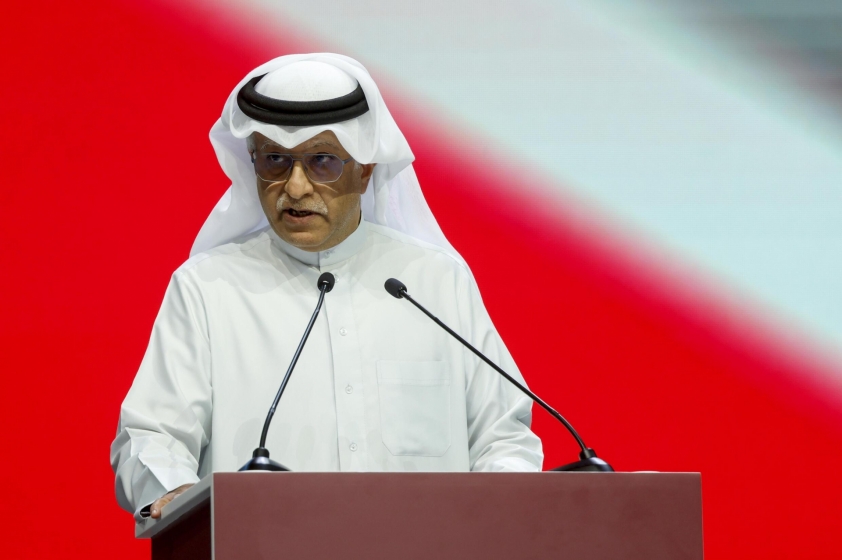
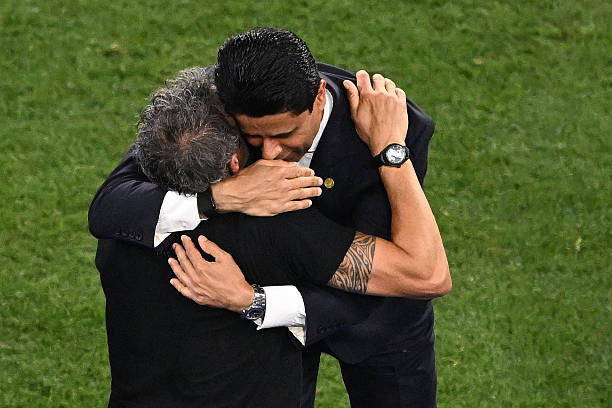
Nasser Al-Khelaifi: What Does the PSG President Have to Do with the Most Powerful Seat in Football?
Nasser Al-Khelaifi is the most attention-grabbing name. Reuters reports that some European football officials are rallying support for the Qatari executive as a potential opponent to Infantino.
Al-Khelaifi currently serves simultaneously as PSG President, Chairman of the European Football Clubs, a member of the UEFA Executive Committee, and the representative of European club organizations on the FIFA Council. That power network gives him connections with top clubs, UEFA, FIFA, and Qatari football. But it also creates the biggest obstacle.
The fact that Al-Khelaifi is running PSG does not prevent him from being mentioned as a candidate. However, if he actually becomes FIFA President, the possibility of him continuing to directly hold power at the French club is nearly impossible.
FIFA currently requires officials to declare any relationships and transactions that could create conflicts of interest. Therefore, to ensure independence and credibility, Al-Khelaifi would likely have to leave the PSG presidency and hand over his role at the European club organization if he is elected.
Lise Klaveness: A Distinctive Voice for Reform
Lise Klaveness is the figure with the least financial power but the most distinctive image. The former Norwegian international currently serves as President of the Norwegian Football Federation and is one of the prominent female leaders in international football.
Klaveness has repeatedly publicly questioned human rights, transparency, and accountability of football governing bodies. She is also one of the strong opponents of Infantino's plan to sell equity in World Cup commercial operations.
Klaveness's advantage is her image as a reform candidate, less tied to traditional power groups. However, turning image-based support into a coalition large enough to win the election is a completely different challenge.
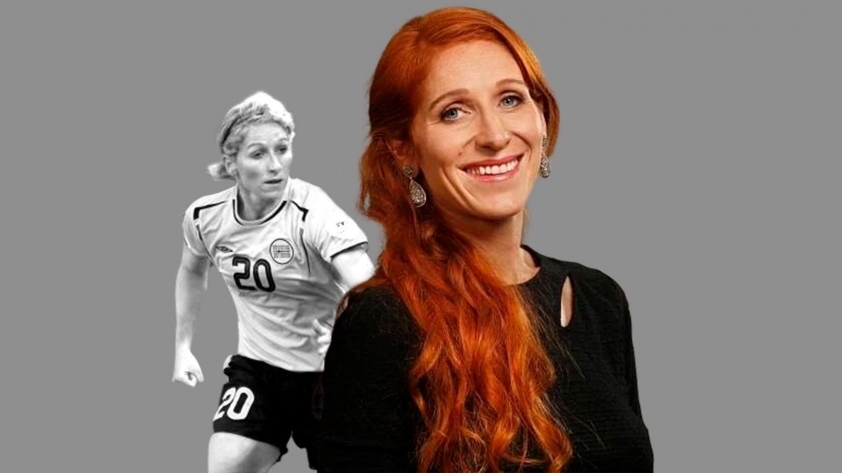
The five names represent five directions: Montagliani brings operational experience, Ceferin wields European power, Sheikh Salman has an Asian network, Al-Khelaifi holds influence at the club level, and Klaveness symbolizes governance reform.
Infantino has not yet lost his seat and has confirmed he will run for re-election in 2027. But for the first time in years, the FIFA presidential election risks becoming a genuine contest, rather than a near-uncontested power affirmation by the incumbent.


Wonderfulshortvideo
vinicius junior transfer real madrid arsenal vini here we go arsenal news today real madrid news today ronaldo real madrid ronaldo edit



A sneak peak at yesterdays opener 👀
Think we might side with Francesca’s idea 😂
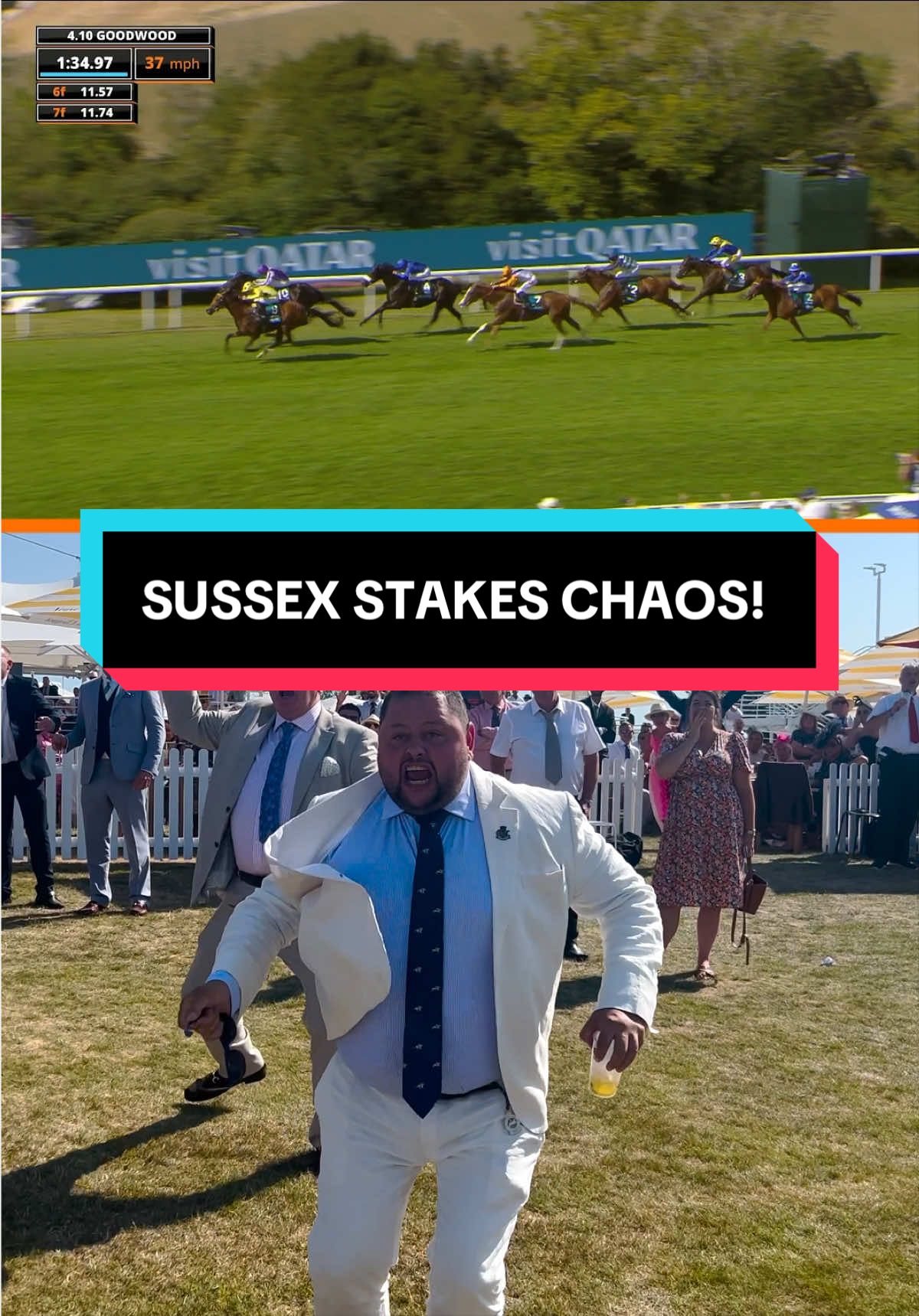
The highs & lows of racing 🐎
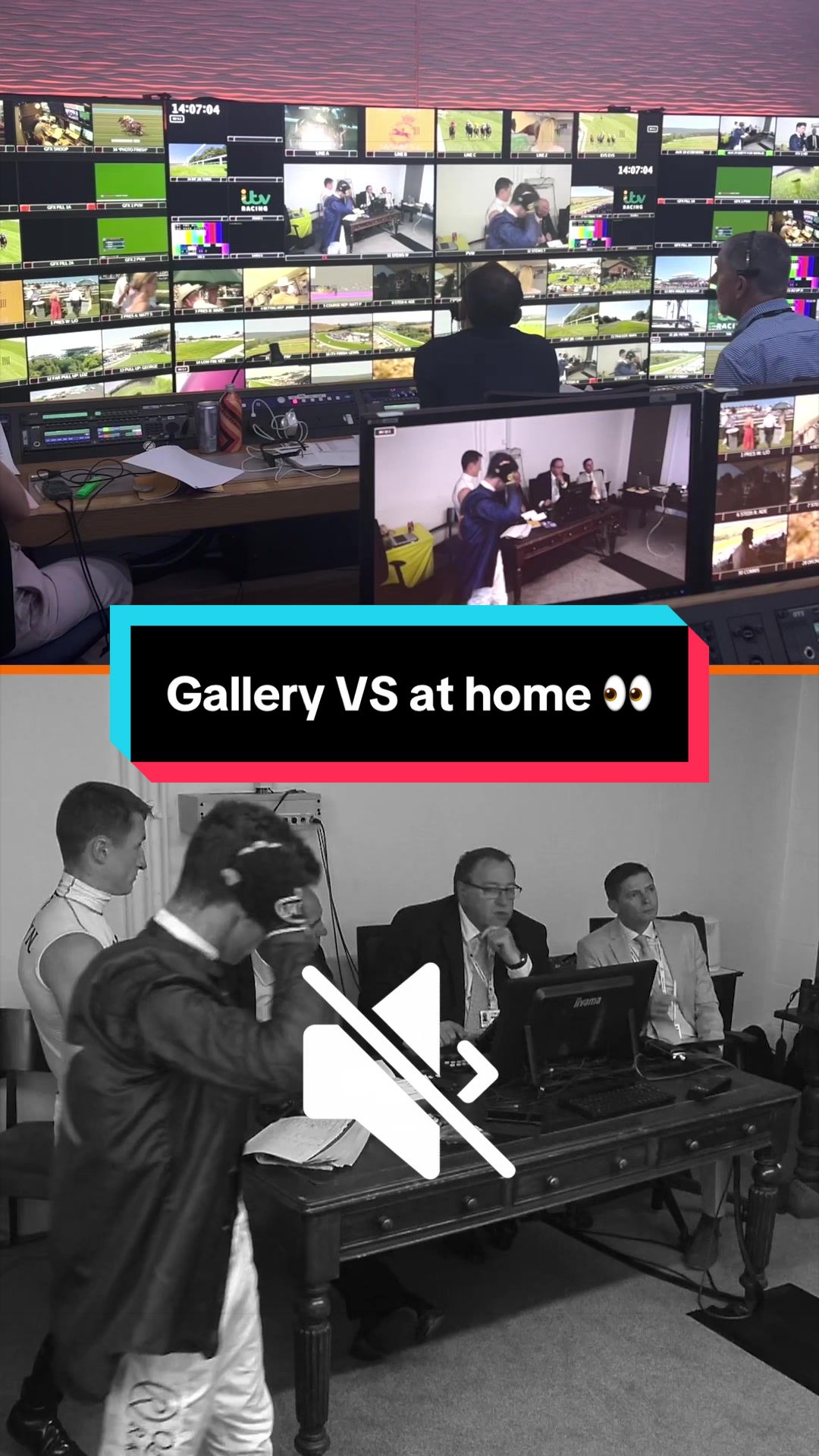
A different view to yesterday’s Stewards enquiry 👀
Perfectly explained by Francesca 🫶🏻
Keep an eye out for Adaay of Scarlett 👀
 Links
Links
 Contact
 App
App


