



Three days, a well-organized system for the Vietnam national team



Three days ago, the Vietnam national team was a wasteful attacking side, but in Bogor, the same team became a disciplined, highly efficient unit, capitalizing on early opportunities and "eliminating" the opposition after only 15 minutes of action.
Three days after a draw with a lineup featuring three foreign-born players in attack, the team made four key changes to its starting XI, using only one naturalized player in the first team. From a chaotic situation where two substitutions were made in the final minute, 72 hours later, everything—from the shift in mental state, to tactical choices, scoring moments, and substitutions—was so perfect it seemed "taken from a textbook."
Two almost opposite states between the Vietnam team's two matches. Of course, this still happens in football, but what stands out is the time frame and the magnitude of the change. It's as if there were a different Coach Kim Sang Sik and a different Vietnam team in My Dinh and Bogor.
We can joke about the black-and-white attire of the Korean coach. However, this is not a superstitious story. The change between the two matches is nothing like swapping an unlucky shirt. The on-field reality showed a stunningly smooth transition from a spread-out attacking style to a high-pressing, compact formation with sharp counterattacks. The Vietnamese players' ability to adapt to two opposite states in just three days reveals a very high level of tactical thinking and understanding of the game plan.
At Pakansari Stadium, the gap between the starting lineup and substitutes was no longer visible. When Van Vi, who later earned the Man of the Match award, or Hai Long shone brilliantly, it showed the even quality within Coach Kim Sang Sik's squad. No drop in quality when changing personnel—that is the clearest sign of a team that has reached a rare level of uniformity in the region.
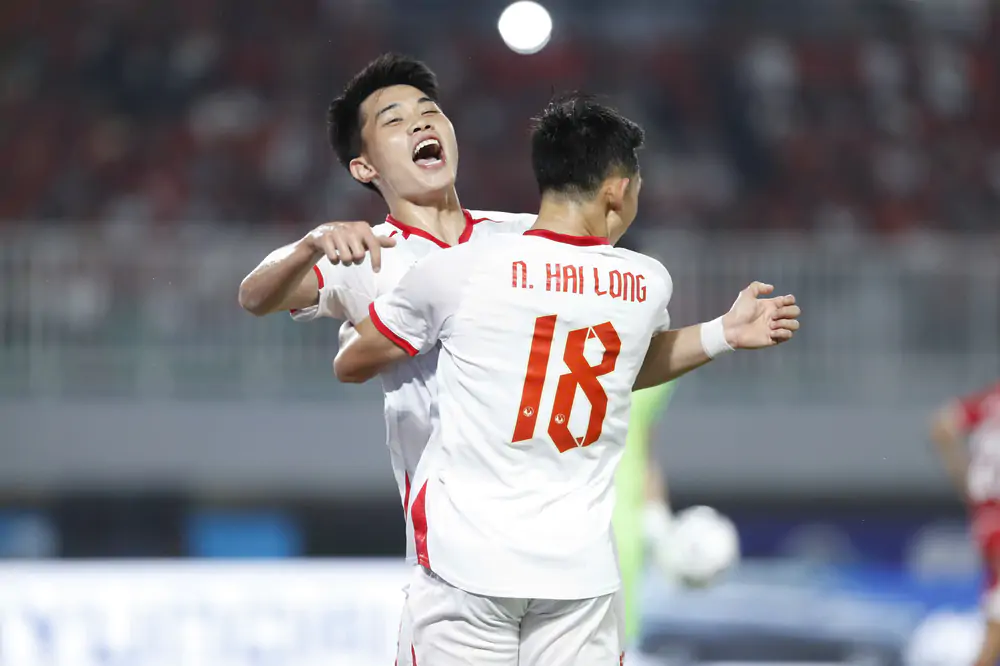
The Vietnam team had an outstanding match at Pakansari Stadium. Photo: Tuan Pham
Similarly, why Korean media still respect him with the nickname "Sik Sama – Mysterious Mr. Sik," Coach Kim Sang Sik's strength lies not in a big win, but in his ability to turn weaknesses into leverage within just three days. Vietnam fully demonstrated the qualities of Southeast Asia's top team: composure at crucial moments and human quality meeting every demanding requirement.
Looking beyond a single match, what is happening reflects the true state of regional football: Vietnam and Thailand maintain their leading positions not so much due to absolute superiority in individual talent, but because of stability and error management. Even without their strongest lineup or after a disappointing game, the identity and playing structure of these "giants" remain intact. Everything is quickly controlled, order is established quite swiftly—that is the result of human quality and the team's class.
The issue for Indonesia or Malaysia is not that they are less talented; on the contrary, Indonesia's European-born players are still highly regarded for individual skills. The problem lies in the constant changes in personnel and philosophy, making it difficult for these teams to achieve the smooth operation that Vietnam just displayed in 72 hours. They are not worse; they are simply becoming more complicated, even in the eyes of their own fans.
Not because of the emphatic win over Indonesia should we talk about Vietnamese football needing to find a way out of the ASEAN Cup comfort zone. But as seen, it took only three days for the Southeast Asian order to return to its usual pattern, so if we don't change ourselves, no one will "push" us forward.


Wonderfulshortvideo
vinicius junior transfer real madrid arsenal vini here we go arsenal news today real madrid news today ronaldo real madrid ronaldo edit


A sneak peak at yesterdays opener 👀

Think we might side with Francesca’s idea 😂

The highs & lows of racing 🐎
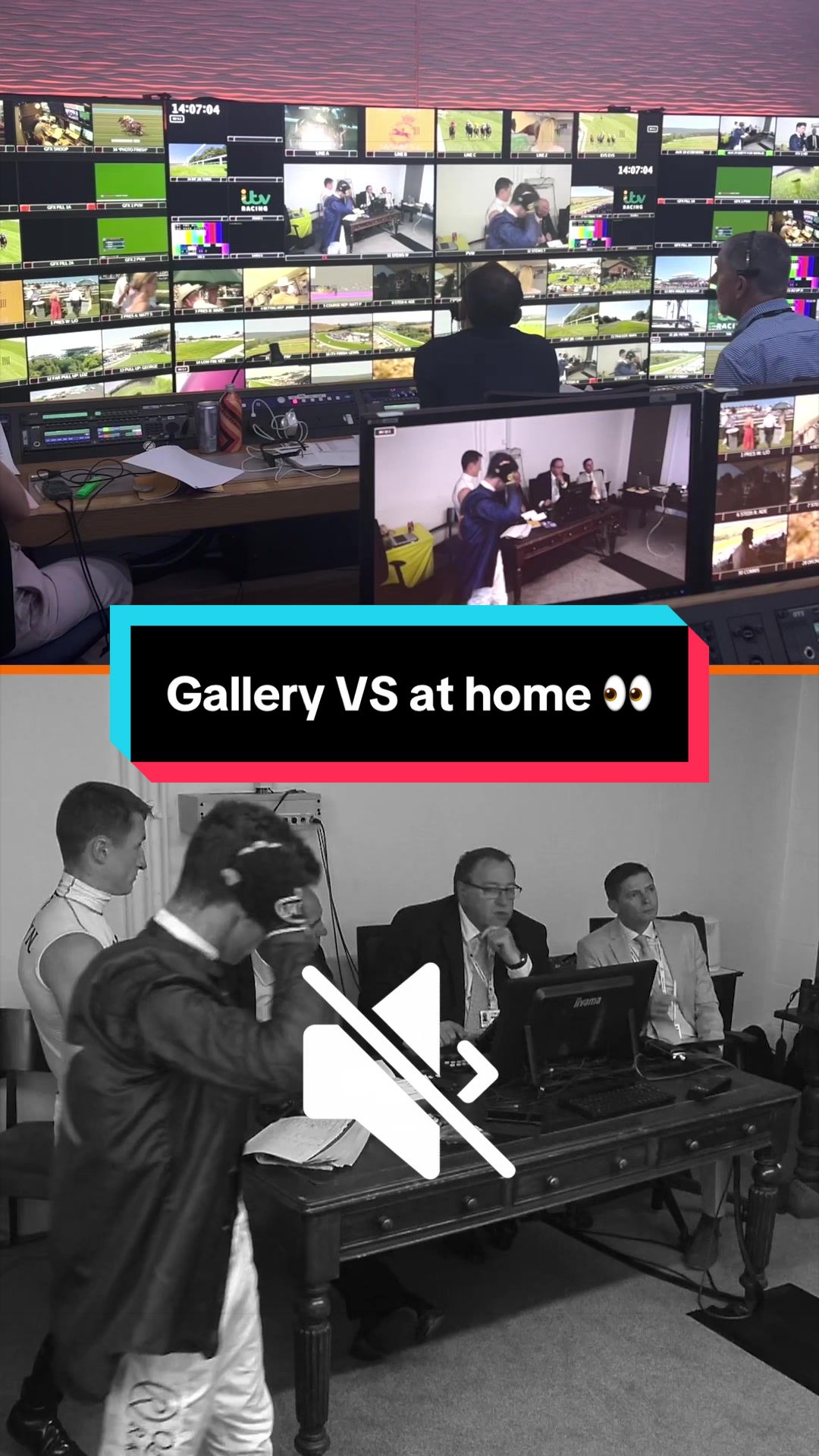
A different view to yesterday’s Stewards enquiry 👀

Perfectly explained by Francesca 🫶🏻

Keep an eye out for Adaay of Scarlett 👀
 Links
Links
 Contact
 App
App


