



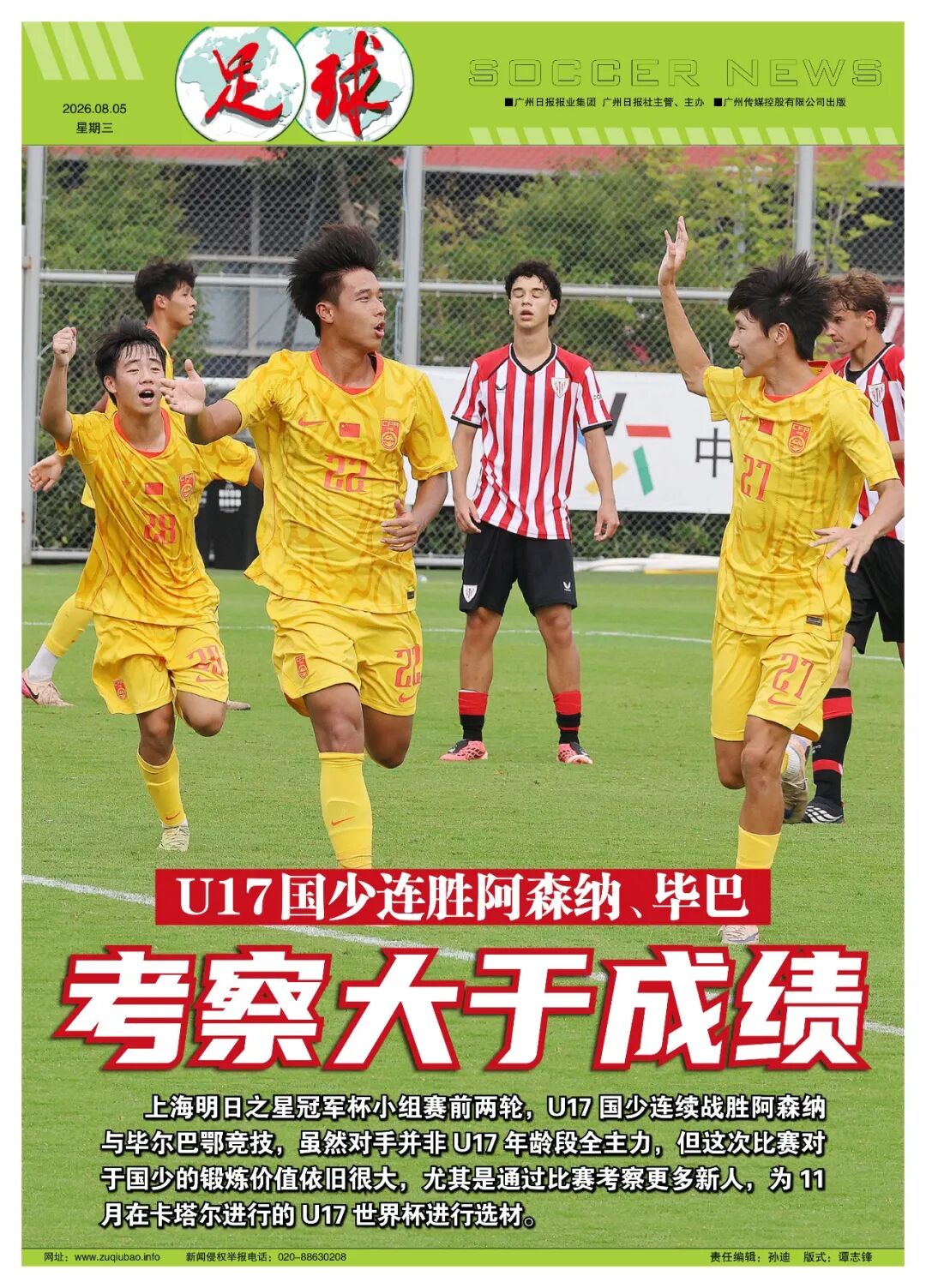
Beating Arsenal and Athletic Bilbao consecutively, the U17 national team's evaluation is more important than results.



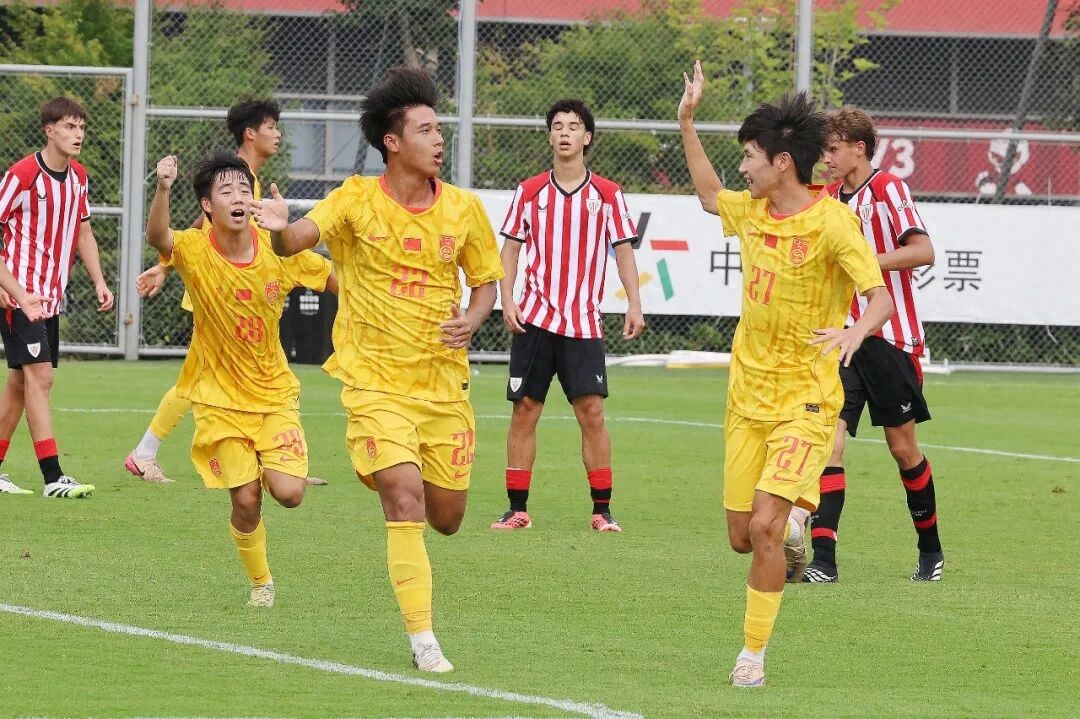
Written by Cheng Shan. On August 4th, in the second group match of the Shanghai Future Star Champions Cup, the U17 national team narrowly defeated Athletic Bilbao U17 1-0, winning both matches to advance to the semifinals ahead of schedule. On August 6th, they will face their final group opponent, Bayer Leverkusen U17, and the semifinal opponent will also be determined. Although the U17 national team's opponents, Arsenal and Athletic Bilbao U17, have many players born in 2010 or even 2011, not all of their main U17 players, the training value of these matches for the U17 national team is still significant.
Especially considering that among the 28 players selected for this tournament, as many as 8 are first-time call-ups. Head coach Shintaro Shimizu's primary goal is to evaluate new players for a broad selection process ahead of the U17 World Cup in Qatar in November. Facing the U17 teams of top European leagues offers greater evaluation value. Through these matches, more new players can be assessed, and from them, substitutes or rotational players who can improve bench depth can be chosen. Some newcomers may even stand out, and if they continue to perform well in subsequent training camps and friendlies, they could become starters.
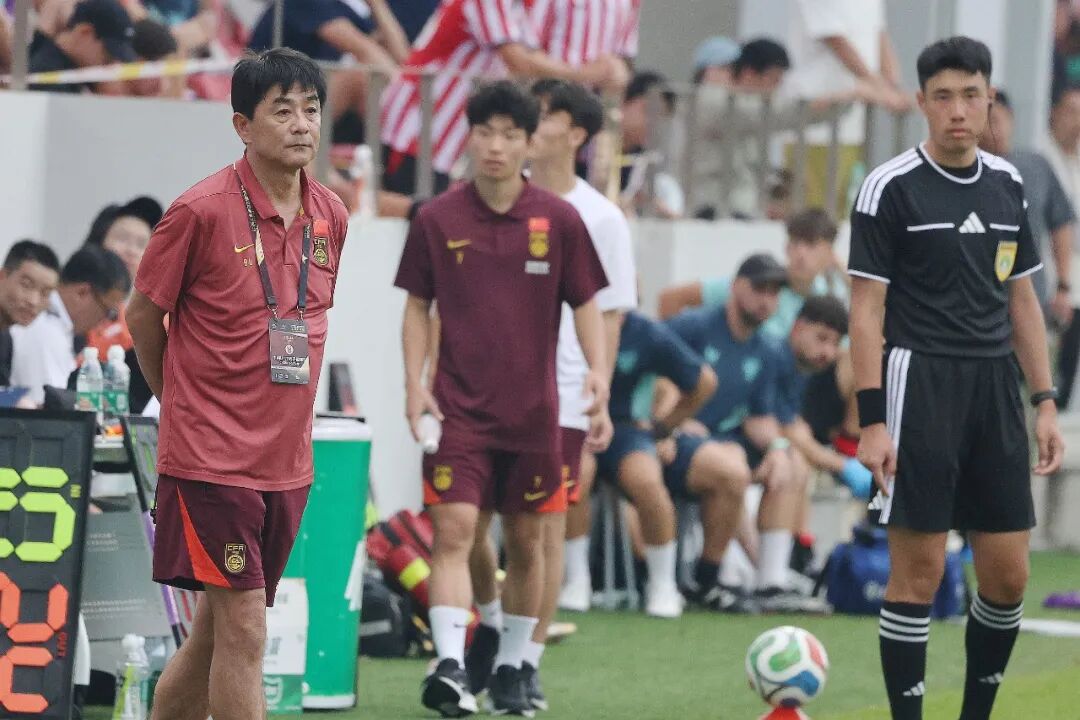

In this Shanghai Future Star Champions Cup, Shimizu's goal is to evaluate new players. In the first match against Arsenal U17, forward Jin Guancheng, midfielder Li Jiarun, and left-back Wang Yiming, all first-time call-ups, were immediately placed in the starting lineup. Additionally, starting goalkeeper Jiang Chengen and midfielder Pan Chaowei are both born after 2010, and Li Jiarun is still one month away from turning 17. Compared to the U17 Asian Cup in May, only four starters from that tournament—center-back Nan Zixun, midfielders Zhou Yutong and Pan Chaowei, and forward Zhao Songyuan—plus Kuang Zhaolei, who only started in the knockout stage, were in the starting lineup. The previous starters, left-back Zhang Xuyao and left winger He Sifan, came off the bench in this match.
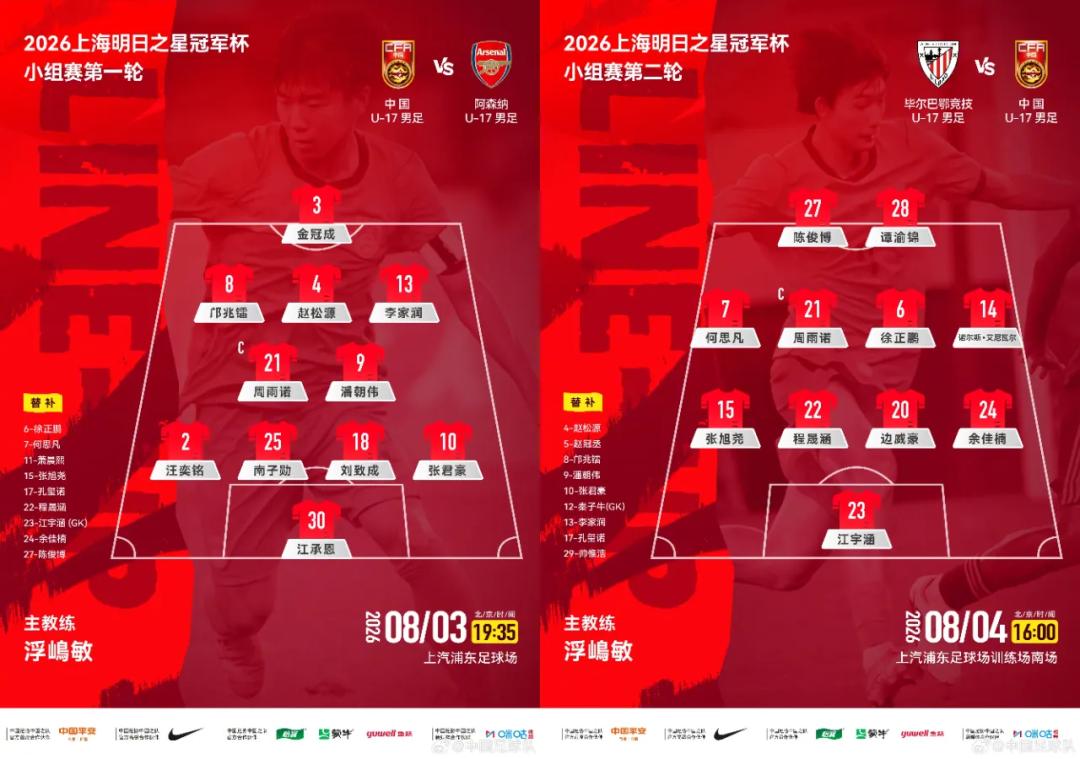
In the second match against Athletic Bilbao U17, Shimizu continued with major rotations to evaluate new players. Only three starters from the U17 Asian Cup—left-back Zhang Xuyao, left winger He Sifan, and midfielder Zhou Yutong—were in the starting lineup. Most of the new players who did not appear in the first match against Arsenal U17 got playing time, including substitute goalkeeper Jiang Yuhan, born after 2010. The starting goalkeeper from the U17 Asian Cup, Qin Ziniu, did not play in either match. Compared to the July Yinchuan International Youth Tournament, goalkeeper Jiang Chengen, full-back Zhang Junhao, and midfielder Xu Zhengpeng continued to start and were under evaluation.
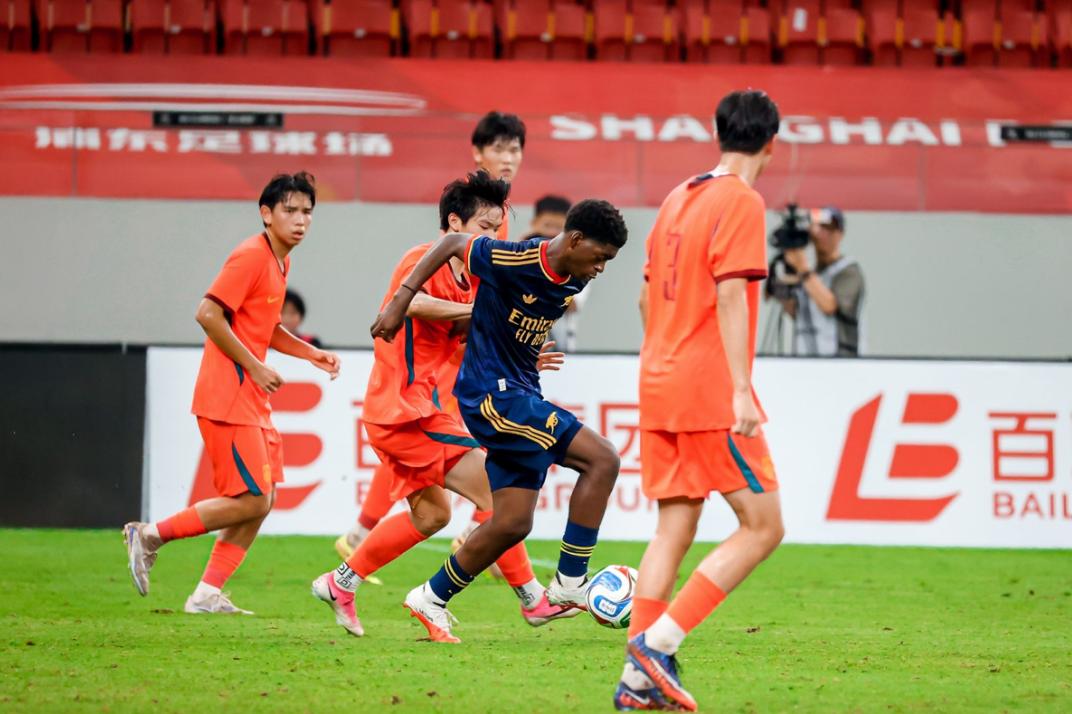
The national youth team won two consecutive matches, but there were doubts from outside, with some believing the opponents were "not as strong as their reputation." However, in fact, 10 of Arsenal U17's starting 11 came from the U18 team that will play in the U18 Premier League this season. Goalkeeper Talbot, Nigerian-French center forward Florock, and Zimbabwean defensive midfielder Murisa will turn 18 in September. At least seven players are of African descent with strong physical attributes. Additionally, left winger Phillips is of Jamaican descent. Four players only joined the U18 team this summer: midfielders Yetna, Nwaneri, and center-back McCallum are all born after 2010, with Yetna being a member of Arsenal's academy. In the second half, head coach Arteta's son Gabriel, academy "post-2011" forward Munos, and "post-2010" UkuEku came on, slightly reducing the overall strength.
Athletic Bilbao U17's starting lineup included Esteban, Linares, Aiesta, Diaz, and Campo, as well as substitutes Perez and Fernandez who did not play but had already been in the U17 team last season. Among the starting 11, only defenders Goikoetxea and Esteban were 17 years old, seven were 16, and defenders Brax and forward Campo were only 15. Overall, they were one year younger than the U17 national team, but their strength was not inferior. They had 54% possession and outshot the opponent 5-3 on target, holding the upper hand. The U17 national team had an age advantage, but the opponents were not weak, making the match very valuable for training.
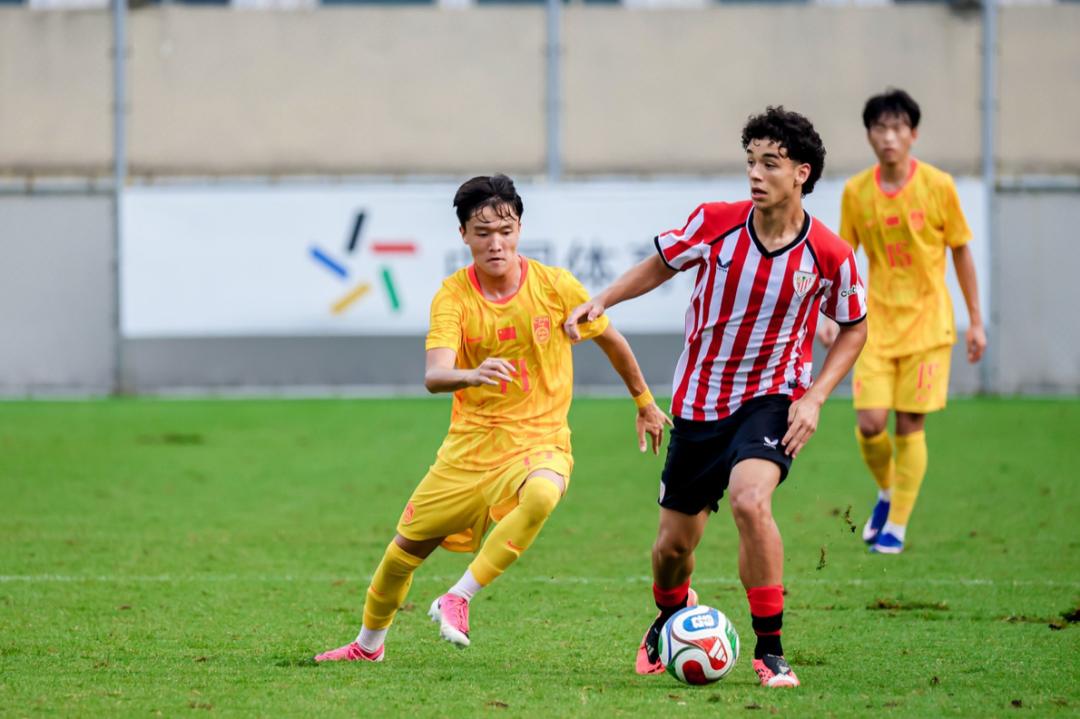

The U17 national team started with two consecutive wins, but the squad has many new players, leading to a lack of chemistry. Of course, this is about evaluating new players, and Shimizu is more focused on their performances. Overall, some newcomers have already stood out. Among them, defender Zhang Junhao has excelled in both offense and defense, capable of playing as a wing-back with dual responsibilities. In July, he scored a goal in Yinchuan, helping the U17 national team draw with Nigeria.
Cheng Shenghan, who scored the winning goals in both matches, also left a deep impression. In the first match against Arsenal U17, he came off the bench and scored a header from a corner kick in stoppage time to secure the win. In the second match against Athletic Bilbao, he started and again scored a header from a corner, impressing the opposing coach. Cheng Shenghan is not a first-time call-up, but his last selection was in November last year. This time, his two headers should increase his chances of participating in the U17 World Cup. After all, set-piece tactics have always been a weakness for national teams.
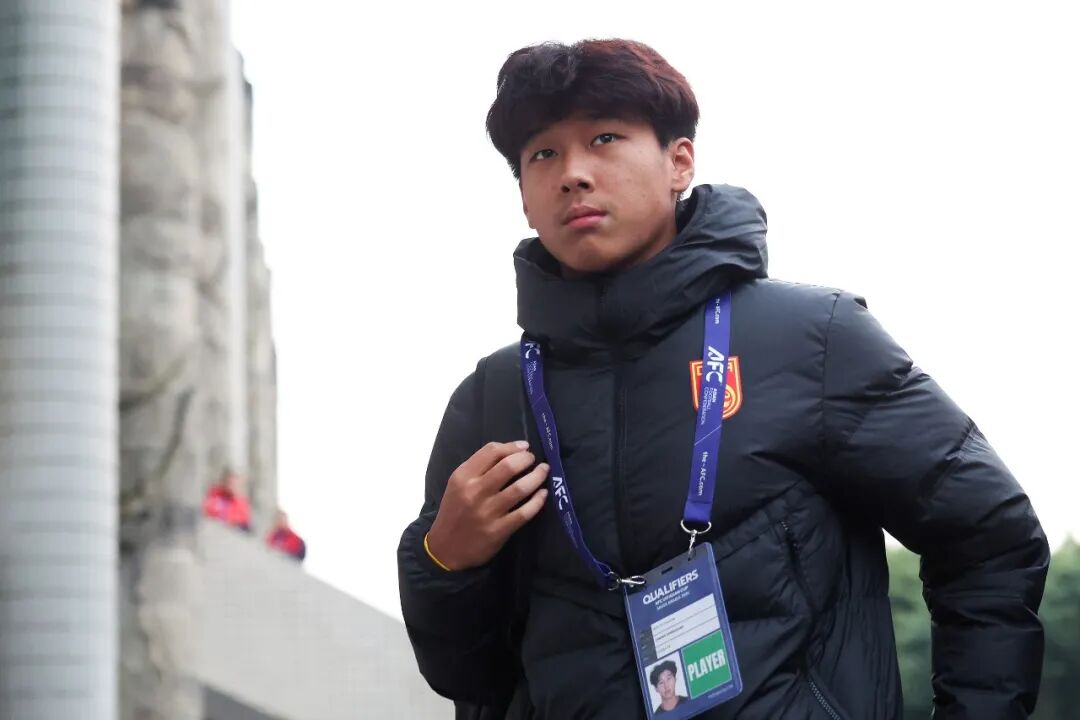
Among the eight new players selected this time, goalkeeper Jiang Yuhan, defender Yu Jianan, midfielder Li Jiarun, and forward Jin Guancheng are also worth attention. The 16-year-old Jiang Yuhan is already 2.03 meters tall, with good height and save speed. He started against Athletic Bilbao U17 and kept a clean sheet. The U17 national team has issues in both attack and defense. Since the U17 Asian Cup in May, Shimizu has evaluated three goalkeepers, each with their own strengths, giving him more options.
On the offensive end, the 1.90-meter tall center forward Jin Guancheng originally came from Yanbian and joined the Ulsan Hyundai U18 team two years ago. He will form healthy competition with the national youth team's main forwards Zhao Songyuan and Shuai Weihao, enhancing the U17 national team's attacking power.
Of course, with a tight schedule of one match per day and insufficient preparation time, facing Arsenal and Athletic Bilbao U17 teams that were not at full strength and were younger, the U17 national team's lack of high-intensity matches and poor ability to handle pressure were exposed. In the upcoming matches, Shimizu will need to make targeted adjustments.


Wonderfulshortvideo
vinicius junior transfer real madrid arsenal vini here we go arsenal news today real madrid news today ronaldo real madrid ronaldo edit



A sneak peak at yesterdays opener 👀

Think we might side with Francesca’s idea 😂

The highs & lows of racing 🐎
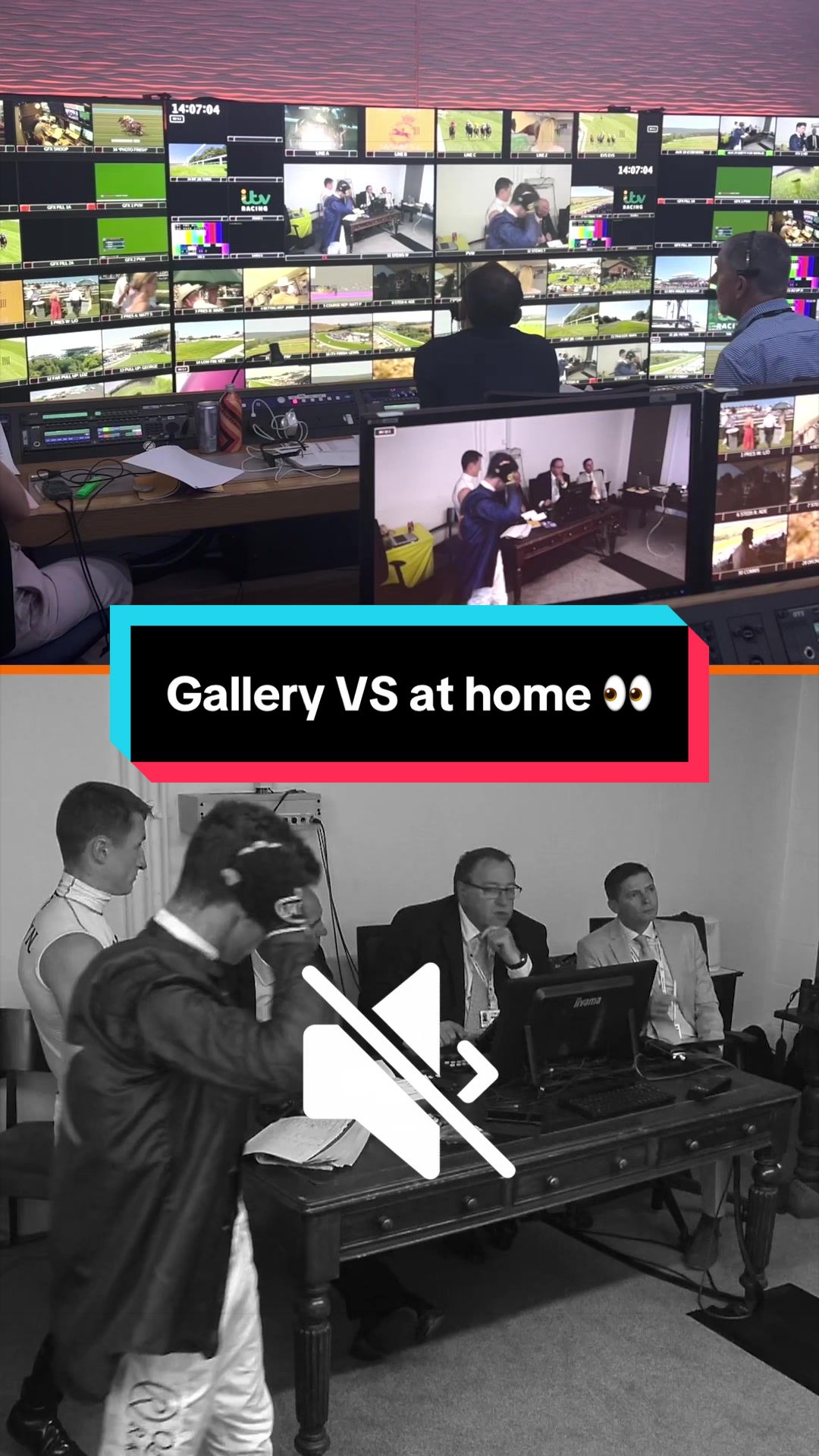
A different view to yesterday’s Stewards enquiry 👀

Perfectly explained by Francesca 🫶🏻

Keep an eye out for Adaay of Scarlett 👀
 Links
Links
 Contact
 App
App


