



Cape Verde coach makes unexpected job switch, nearly half of the 48 World Cup teams change coaches



Written by Han Bing. Thanks to their outstanding World Cup run, Cape Verde's head coach Bubista and goalkeeper Vozhinha, the biggest surprise package of the US-Canada-Mexico World Cup, both changed clubs yesterday. Vozhinha joined Chilean giants Colo-Colo, while Bubista unexpectedly declined invitations from multiple national associations, including Ghana, and signed a two-year deal with Renaissance Club Berkane in northeastern Morocco. Additionally, the Algerian Football Association terminated its contract with Swiss coach Petkovic, who is likely to take over as Saudi Arabia's head coach. So far, 21 of the 48 World Cup teams have changed coaches, nearly half.
Cape Verde and Algeria are the latest two World Cup teams to undergo coaching changes. Among the 10 African teams, only DR Congo, Egypt, and Morocco have not replaced their coaches, giving a turnover rate of 70%, the highest among all six continental confederations.
After Tunisia's 5-1 thrashing by Sweden in their opening group match, the French coach Ramzi, appointed earlier this year, was dismissed on the spot. French coach Hainach, who had been sacked by the Saudi Football Association two months earlier, stepped in as a temporary replacement. Following the team's group-stage exit, he resigned after just 18 days in charge. However, reports suggest he is set to replace Jiawu, who stepped down on July 12, as the new coach of Ivory Coast.
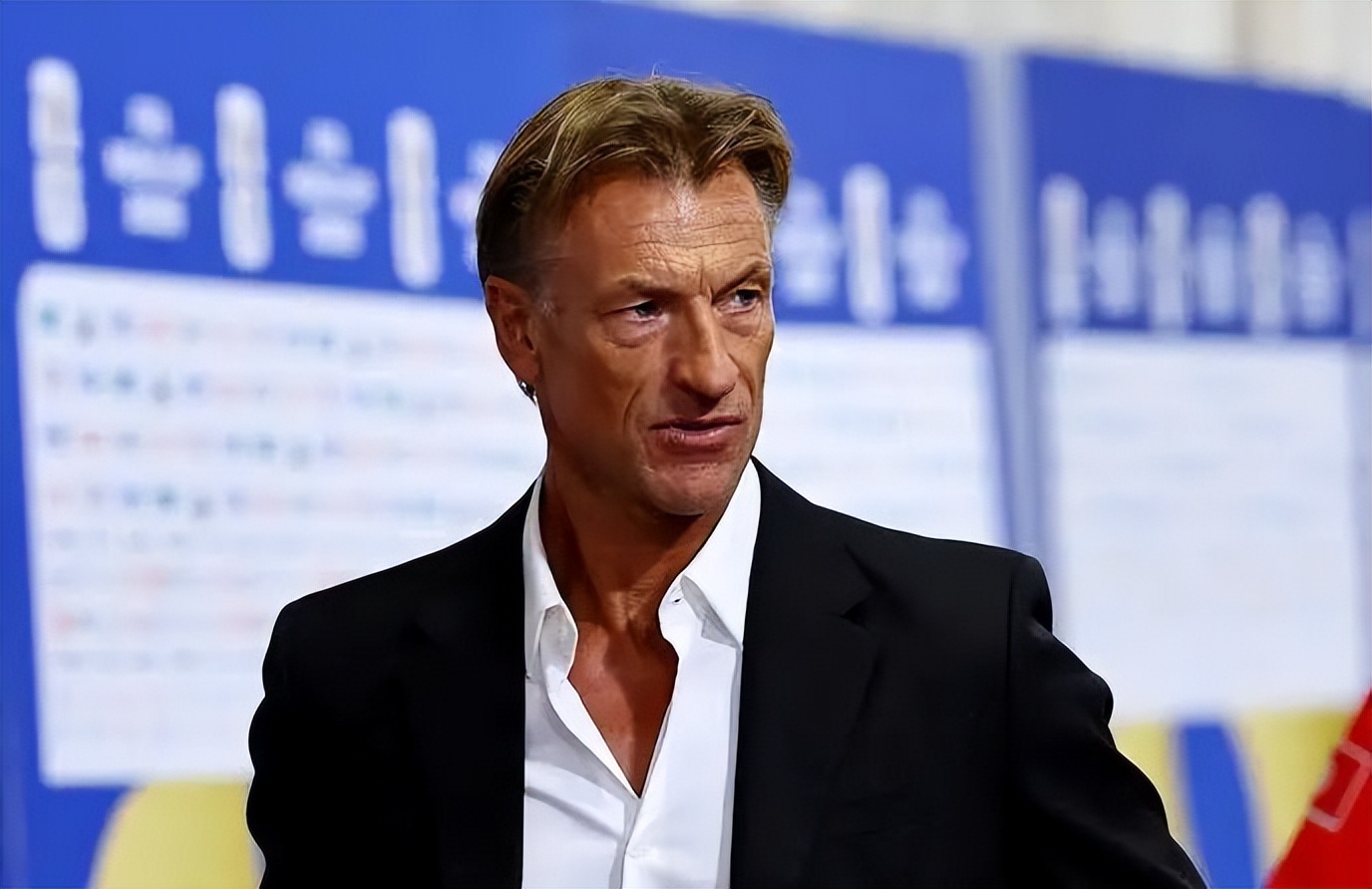
The "internal rotation" among African coaches is not an isolated case: Tunisian coach Shabani from Renaissance Club Berkane was poached by the Tunisian Football Association and took over from Hainach on July 28. A week later, Renaissance Club Berkane poached Bubista from Cape Verde. Bubista had received offers from the Ghana Football Association and others but ultimately chose the Moroccan club. Renaissance Club Berkane finished as runners-up in the Moroccan league last season and qualified for the new African Champions League campaign. Bubista hopes to prove his ability in club competitions.
Currently, the coaching positions for Algeria, Cape Verde, Ghana, Senegal, South Africa, and Ivory Coast remain vacant, but Ivory Coast is expected to appoint Hainach.
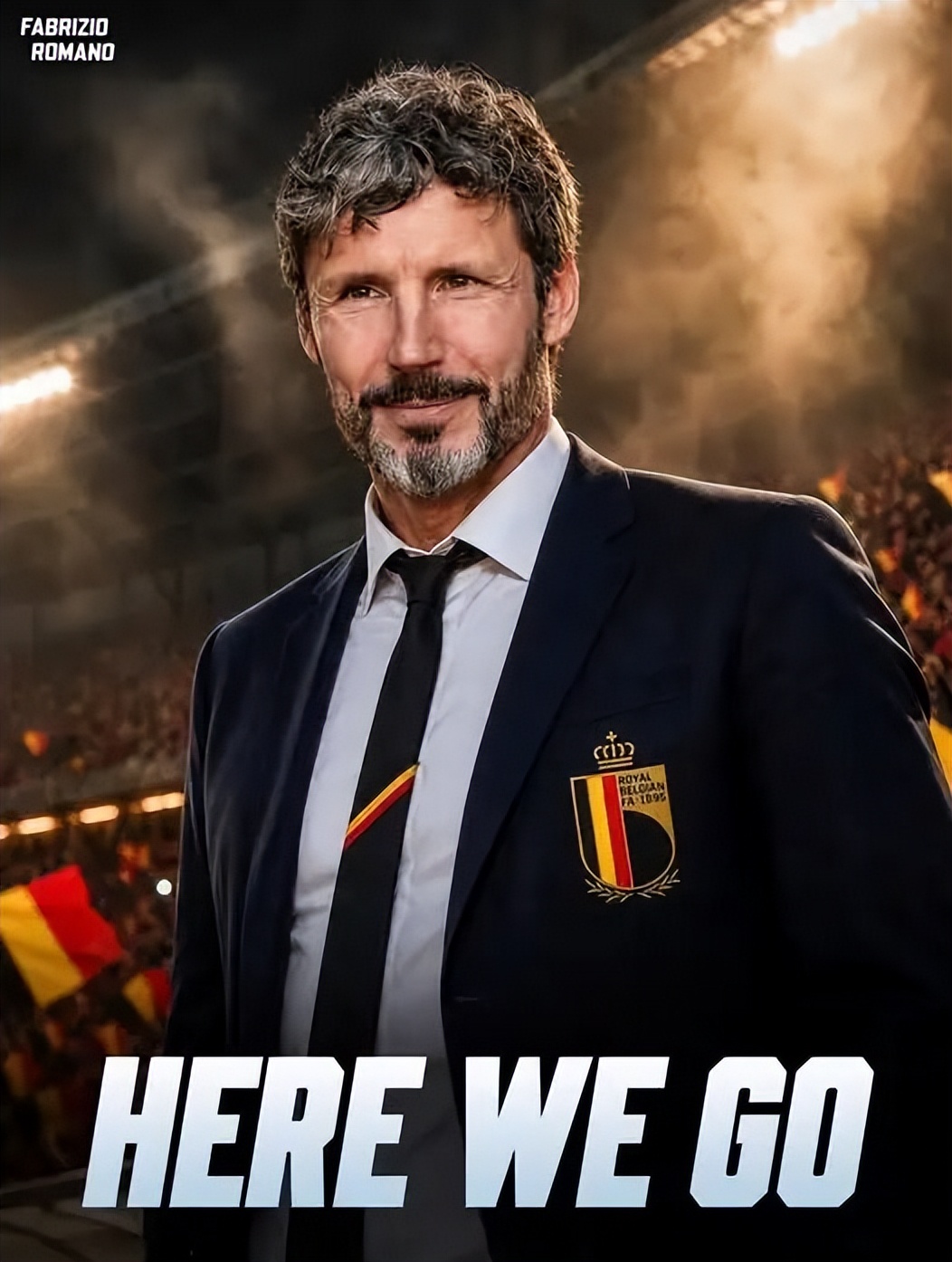
Among the 16 European participants, 8 have changed coaches, a rate of 50%, second only to Africa. Except for the Netherlands and Scotland, the other six have all confirmed new managers. Jesus (Portugal), Zidane (France), and Klopp (Germany) have been officially announced, while Croatia has brought back former coach Bilic. The most surprising moves are Belgium and the Czech Republic. Belgium chose Dutch legend Van Bommel, who had been out of work for two years, to replace French coach Rudi Garcia. The Czech Republic appointed a foreign coach for the first time in their history—former Atletico Madrid legend Denia, who had coached Spanish youth teams from U17 to U23. Denia has won the U17 European Championship, U19 European Championship, and the men's football gold at the Paris Olympics, and finished as runner-up in the U17 World Cup and U21 European Championship, but had never coached a senior national team before.
Although the nine Asian World Cup teams performed poorly, only Jordan and South Korea have changed coaches so far.
The Jordan Football Association continued its recent trend of hiring Moroccan coaches. After sacking Selami following the group-stage exit, the new coach is again a Moroccan—former Moroccan international goalkeeper Zaki, who led Morocco to the Africa Cup of Nations final in 2024. He will be officially unveiled on Thursday to prepare the team for next year's Asian Cup. If results are strong, he will be given priority to extend his contract until the 2030 World Cup. However, his entire 23-year coaching career has been in Africa, and it remains to be seen if he can adapt.
The Korea Football Association announced on July 31 through official channels that it has started the public recruitment process for an interim head coach. The interim coach will be in charge until the international match days in October and November, while the appointment of a permanent head coach may be delayed until before next year's Asian Cup.
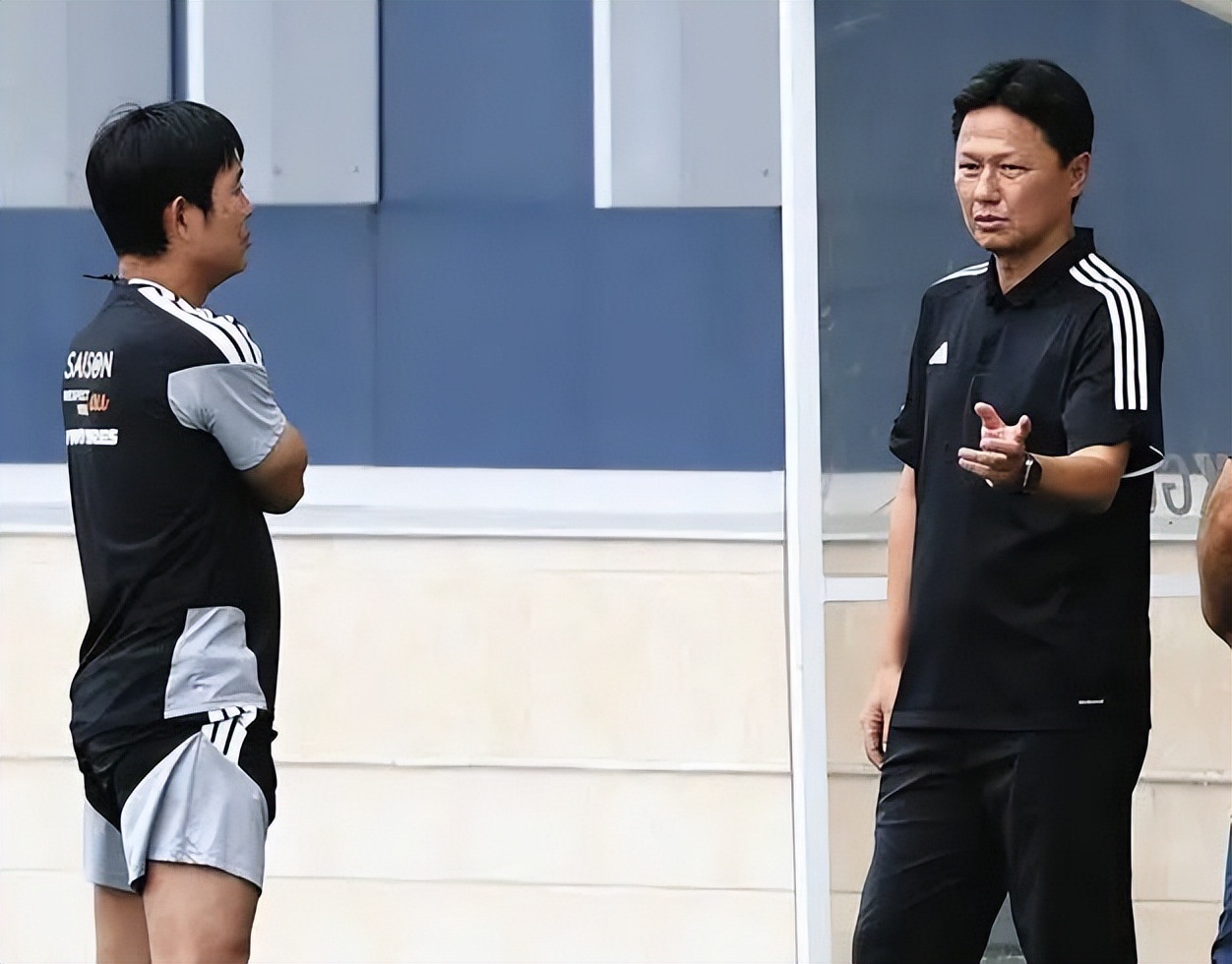
The Iraqi Football Association renewed the contract of Australian coach Arnold until the end of the 2027 Asian Cup. The contract includes a performance clause that extends it to the 2030 World Cup if results in the Asian Cup are outstanding, with an annual salary of $900,000. Japan's Moriyasu also renewed his contract until next year's Asian Cup, but will then hand over to Olympic team coach Oiwa.
Among the six South American teams, Uruguay and Ecuador have changed coaches. Bielsa stepped down after Uruguay's group-stage elimination. On August 1, legendary striker Forlán was appointed as the new U20 national team coach and also serves as the interim head coach of the senior team. Uruguay will finalize a new permanent coach after the Football Association presidential election in March next year.
In North and Central America, Mexico's veteran coach Aguirre stepped down, and former Barcelona center-back Márquez, a club legend, took over. Haiti and Ecuador in South America still have vacant coaching positions.
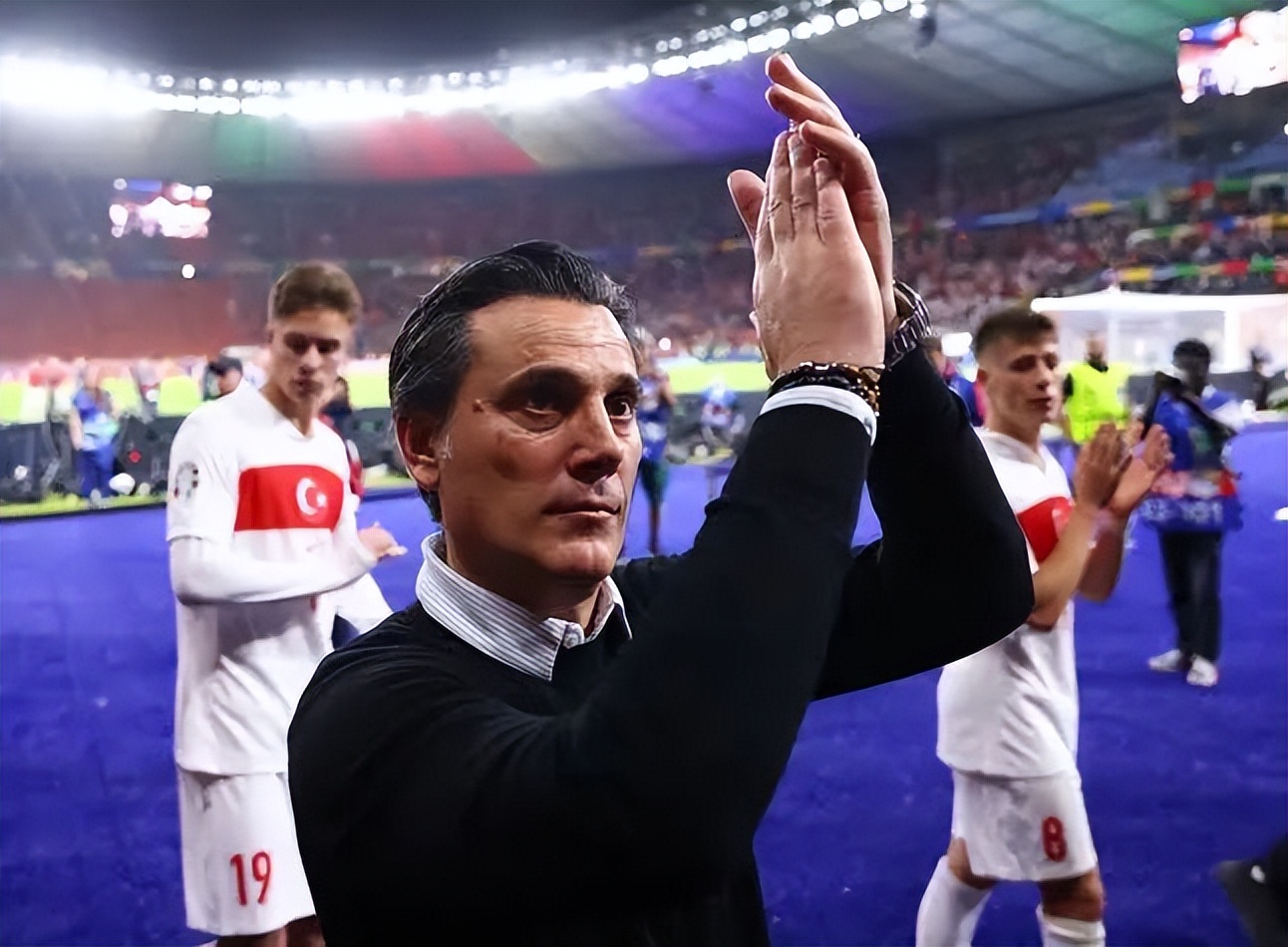
As many as 21 World Cup teams have changed coaches, and it is possible that more will follow. Besides the heavily rumored Saudi team, Turkey, which was eliminated in the group stage, may also replace the underperforming Italian coach Montella. As for Asia, the worst-performing continent, with the Asian Cup scheduled for early next year, associations such as Qatar and Uzbekistan have opted to wait and see, deciding on coaching changes based on results after the tournament.


Wonderfulshortvideo
vinicius junior transfer real madrid arsenal vini here we go arsenal news today real madrid news today ronaldo real madrid ronaldo edit


A sneak peak at yesterdays opener 👀

Think we might side with Francesca’s idea 😂

The highs & lows of racing 🐎
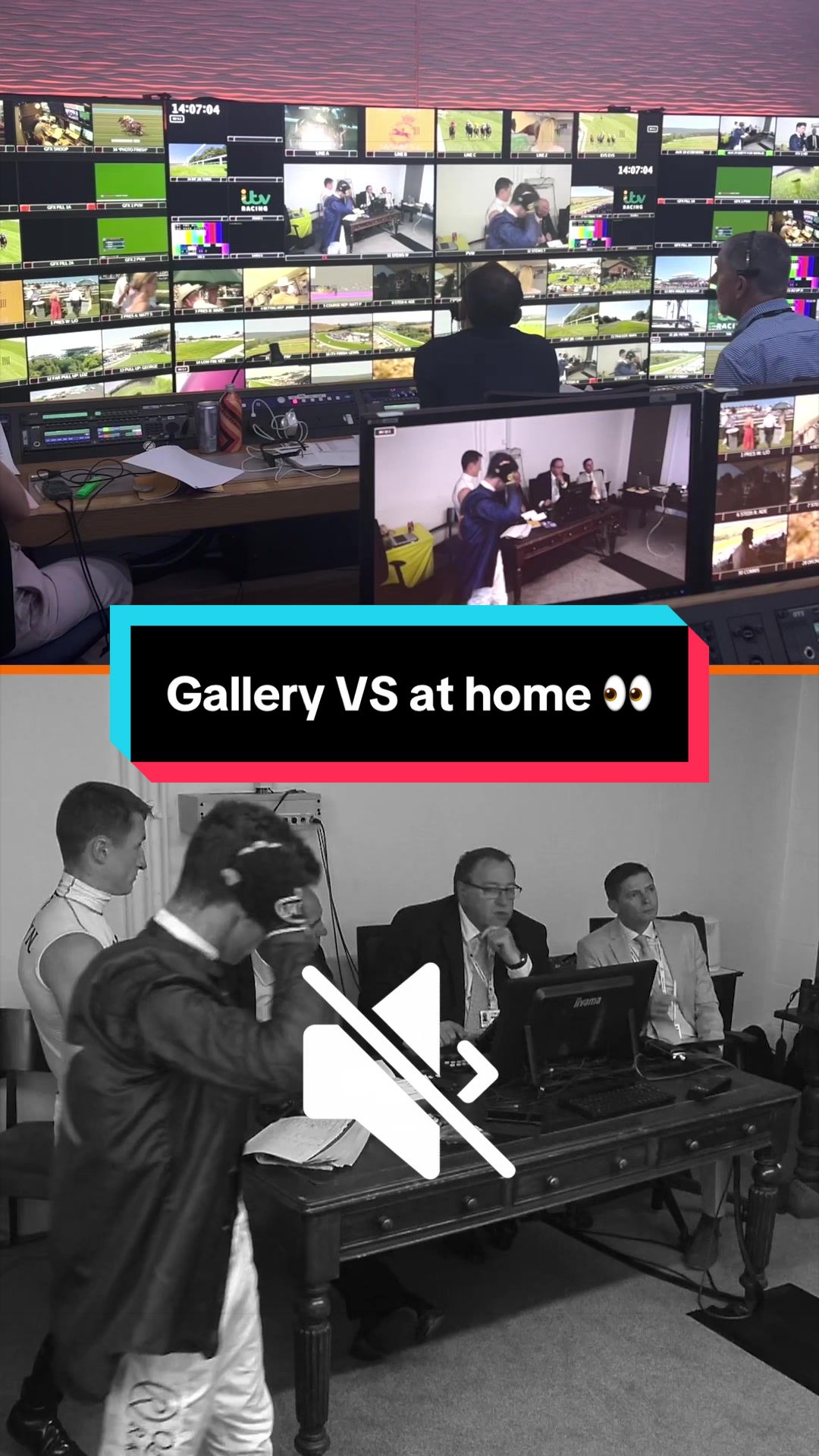
A different view to yesterday’s Stewards enquiry 👀

Perfectly explained by Francesca 🫶🏻

Keep an eye out for Adaay of Scarlett 👀
 Links
Links
 Contact
 App
App


