



How can state-owned football clubs break free from the dilemma of being "stable but not strong"?



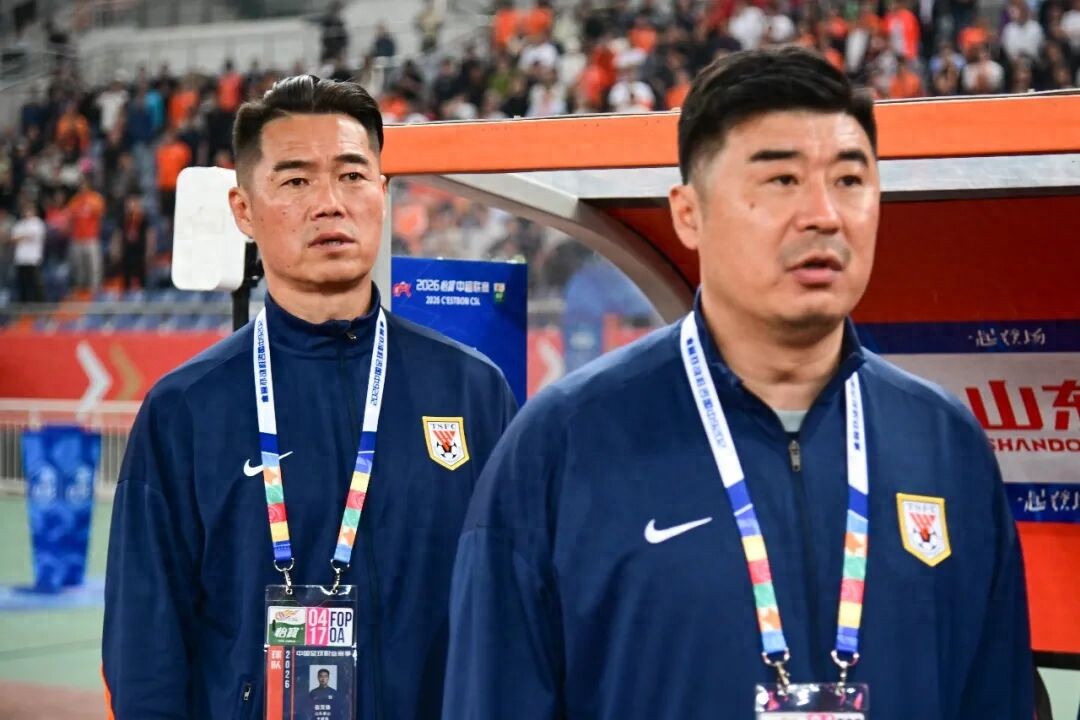
Reporter Lu Mi reports Shandong Taishan suffered their first home defeat to Henan in 17 years, sparking strong discontent among fans and resulting in the resignation of coaches Su Maozhen and Han Peng; Shenhua's loss to their cross-town opponent in the Shanghai derby once again placed Slutsky under intense scrutiny. On the surface, these CSL hot topics reflect fan dissatisfaction due to the team's wild fluctuations, but a deeper look reveals that some state-owned clubs, after having their survival worries resolved, have lost their championship edge. Fans are moving from "sympathizing with their misfortune" to "frustrated by their lack of ambition." So how can state-owned clubs escape this awkward situation of being "stable but not strong"?

State-owned enterprises entering professional football generally happen for two reasons: an administrative mandate or a proactive strategic move.
The first type is usually led by local governments, with state-owned enterprises stepping up to carry the banner, primarily to preserve the city's football legacy. A typical example is Tianjin Jinmen Tiger and Henan FC. The predecessor of Tianjin Jinmen Tiger, Tianjin Teda, was on the verge of dissolution. Originally invested by a state-owned enterprise, Teda Group intended to withdraw due to various factors, but no other state-owned or private enterprise in Tianjin was willing to take over, leaving the city's professional football facing a dangerous gap.
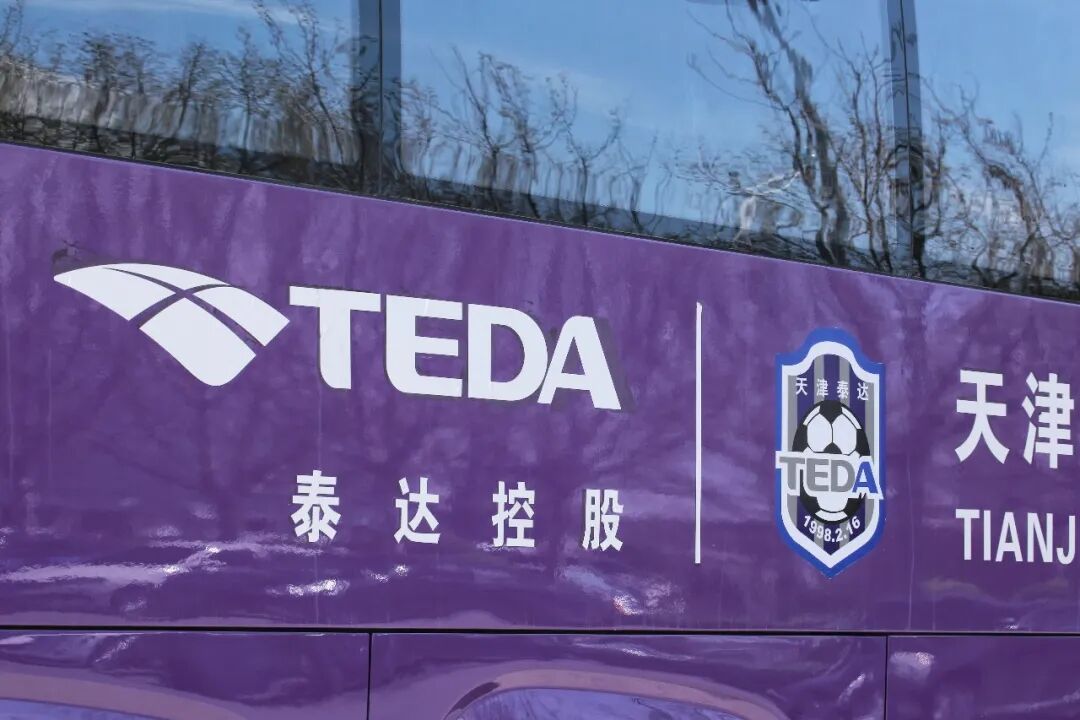
At the critical moment, relevant authorities in Tianjin coordinated multiple local state-owned enterprises to jointly cover the club's operating costs. The club's entity remained unchanged, and it survived under the temporary management of the sports bureau. Since being renamed Tianjin Jinmen Tiger, the salary structure has become more balanced, and there have been no long-term salary arrears.
Henan FC can be considered the first CSL club to truly complete a shareholding reform. Jianye Group, which had supported Henan football for nearly 30 years, found it difficult to continue exclusive investment due to its main business struggles. They actively coordinated with government authorities, leading to the first "tripartite joint construction" shareholding reform. Henan FC has undergone two shareholding reforms: first with Luoyang, Zhengzhou, and Jianye jointly investing; second with Zhengzhou Development and Yujian jointly investing. Although there were some twists and turns, thanks to Jianye Group's generous equity transfer and strong government support, the club did not fall into a life-or-death crisis.
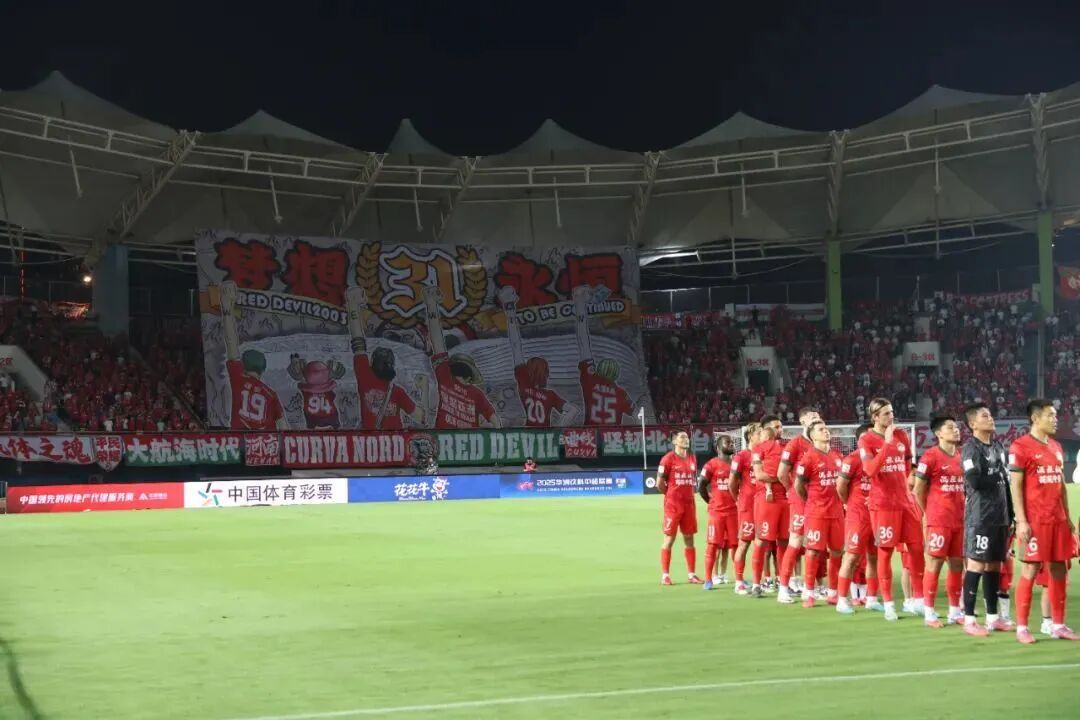
This type of state-owned enterprise entry mainly aims to maintain stability and provide a safety net, with relatively weaker market attributes.
The other type is proactive investment, represented by Shanghai Shenhua, Shandong Taishan, Shanghai Port, and Chengdu Rongcheng. Shanghai Jiushi Group is originally a state-owned platform for sports events, operating Shanghai men's basketball and major events like F1 racing for years, with deep expertise in sports event management and city branding. Jiushi's acquisition of Shenhua Football Club was based on recognizing the city value, cultural tourism value, and traffic value of Shanghai football, as part of the company's market-oriented upgrade. Chengdu Rongcheng is even more typical: starting from lower leagues, step by step reaching the CSL, turning Phoenix Hill Stadium into a top-tier CSL venue, driving city-wide cultural tourism consumption through professional football.
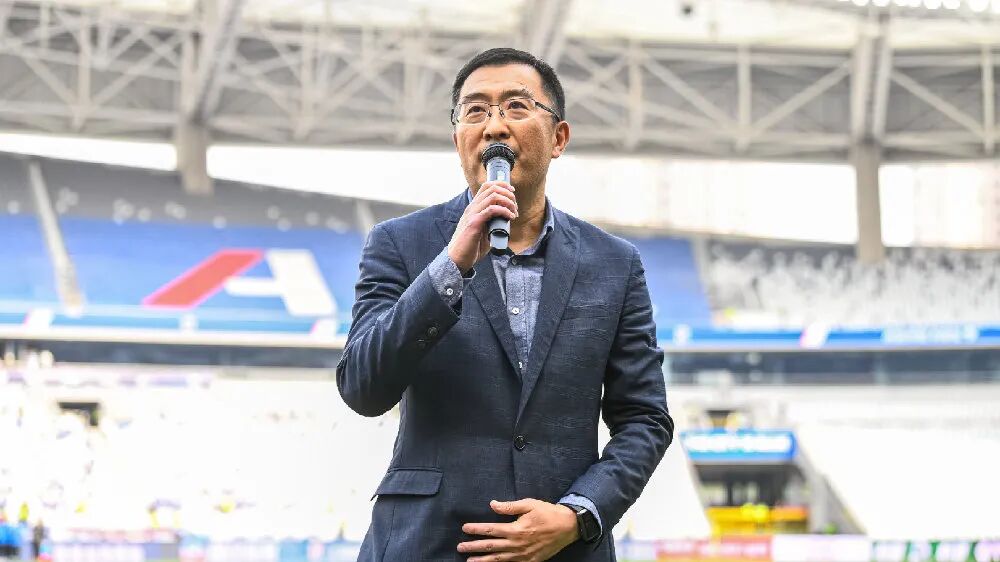

After state-owned enterprises took over local professional football clubs, the teams' survival conditions have improved significantly. For example, Zhejiang FC, after Greentown ceased to be the controlling shareholder, the club's entity became state-owned, with stable investment. Although the team is not ranked high at present, its overall strength is among the top in the CSL. Shanghai Port, Shanghai Shenhua, and Chengdu Rongcheng have always been very stable, and in recent seasons, they have been strong contenders for the CSL title.
Overall, compared to the late golden age of football, the situation of widespread wage arrears in the three-tier leagues has significantly decreased, and the large-scale withdrawal of professional clubs at key admission deadlines has not recurred. The greatest value of state-owned enterprises entering football is to provide a safety net for the turbulent league and stabilize the foundation.
In addition to stabilizing the basic survival, state-owned enterprises have relatively abundant resources to revitalize the city's football market. It is not difficult to see that many state-owned clubs can leverage city resources, such as venues, cultural tourism, and forming a matrix of local corporate sponsorships. Chengdu Rongcheng has turned Phoenix Hill Stadium into one of the hottest venues in the CSL, driving dining, accommodation, and consumption on match days. After years, football has once again become a city card for Chengdu. After its shareholding reform, Henan FC has partnered with leading local liquor and dairy companies to jointly strengthen local football. Even many private clubs have recently been leveraging government resources to contribute to club operations.
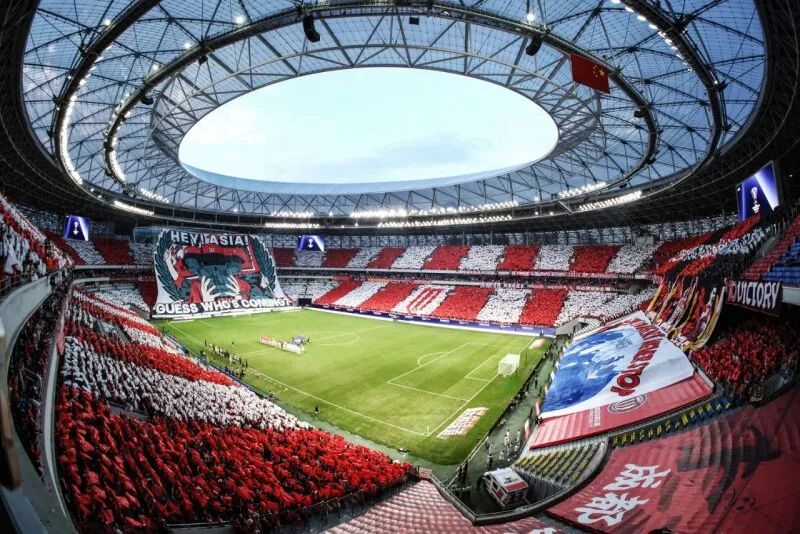
Of course, the most important point is that investment has returned to rationality, with no more blind comparisons. During the golden age of football, the arrival of top foreign players and coaches did improve the league level, but the side effect was huge debts left for clubs. State-owned enterprises investing in football, constrained by budgets, audits, and institutional rules, will no longer engage in irrational gambling.
Once the survival alarm is lifted, fans naturally expect breakthroughs in club operations and performance, and some drawbacks of state-owned clubs gradually emerge. For example, when there are multiple shareholders and joint management, it can lead to a situation where "everyone is in charge, but no one is truly responsible," or even delays in approval processes for key decisions like budgets and signings, thereby affecting the team's recruitment and preparation.
For most state-owned enterprises, investing in football is still a money-losing proposition and difficult to include as a core business. Currently, the only CSL clubs known to achieve revenue at the operational level are Dalian Yingbo and Chongqing Tonglianglong. Both clubs are privately invested, but they also benefit from government support, creating a good market and operational environment. From a professional club perspective, they are closer to marketization. Of course, some higher-positioned state-owned clubs, due to the need to match the team's strength and image with high salaries for foreign players, coaches, and national team players, have inherently high operating costs. Even if they try to expand the market, it is difficult to reach a break-even point. More importantly, not all leaders of state-owned clubs have a market-oriented mindset to monetize fan economy and youth training output, or to actively revitalize market value.
In the post-golden era, the entry of state-owned enterprises has indeed improved the survival environment for many professional clubs and stabilized the basic structure of the league. However, the disadvantage of "a big ship being hard to turn" has resulted in many teams being stable but mediocre.

In this year's CSL, among the top teams, Chengdu Rongcheng stands out, while the clubs from second to fifth place are Qingdao West Coast, Chongqing Tonglianglong, Dalian Yingbo, and Yunnan Yukun—completely different from the traditional CSL Big 5. Notably, apart from Chengdu Rongcheng, the other four are all private clubs.
In recent rounds, Shandong Taishan and Shanghai Shenhua have lost important matches one after another, and Guoan has also had ups and downs. Although Taishan is currently in sixth place, fan dissatisfaction has not completely subsided. The Shanghai duo used to be strong title contenders, but this year both are in the lower half of the table. Of course, there is a special reason this year: many clubs were deducted points at the start of the season due to historical issues. Taishan and Henan were deducted 6 points, Port and Zhejiang 5 points, Shenhua and Tianjin Jinmen Tiger as many as 10 points. Among these clubs, there are championship contenders. Under huge negative point pressure, although their strength kept them from relegation, the difficulty of competing for the title is enormous, leading to reduced investment budgets compared to previous years, and some clubs no longer have high expectations for this season's results.
This year's special circumstances are not the sole reason for the "stable but not strong" situation of state-owned clubs, but they have magnified the awkwardness. In the past two years, many state-owned clubs have lingered in the middle of the table. Stability is there, but fans' complaints about being "neither here nor there, lacking sharpness" are objective. For example, Shandong Taishan, currently in the hot seat, cleared their point deduction within the first two rounds, but then performed poorly against strong teams and inconsistently against weaker ones. Henan also cleared their deduction in the first two rounds, but has been on a roller coaster ride since. Not to mention the Shanghai duo, who are豪门 giants, but their current performance is far from fan expectations.
This season's CSL sees state-owned clubs collectively in a low ebb. Besides the special circumstances this year, there are also real cases showing that state-owned clubs can break out of the "stable but not strong" predicament.
Second, management must be more professional...
Finally, cultivate self-sustaining ability...
最后就是培养自我造血能力...


Wonderfulshortvideo
vinicius junior transfer real madrid arsenal vini here we go arsenal news today real madrid news today ronaldo real madrid ronaldo edit



A sneak peak at yesterdays opener 👀
Think we might side with Francesca’s idea 😂

The highs & lows of racing 🐎
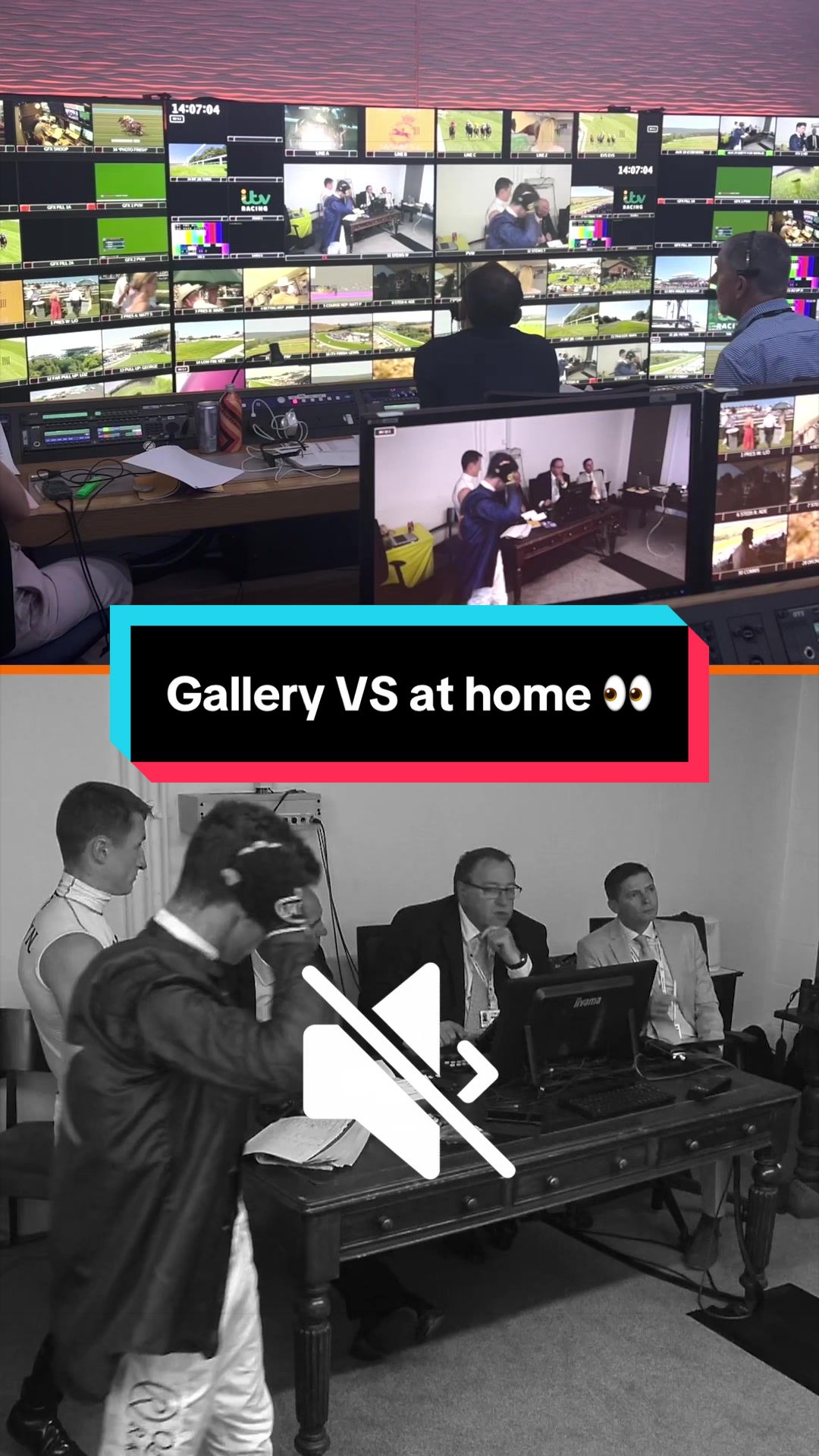
A different view to yesterday’s Stewards enquiry 👀

Perfectly explained by Francesca 🫶🏻

Keep an eye out for Adaay of Scarlett 👀
 Links
Links
 Contact
 App
App


