



Newcastle tops the summer sales charts, shattering the Saudi capital's dream of building a Premier League powerhouse.



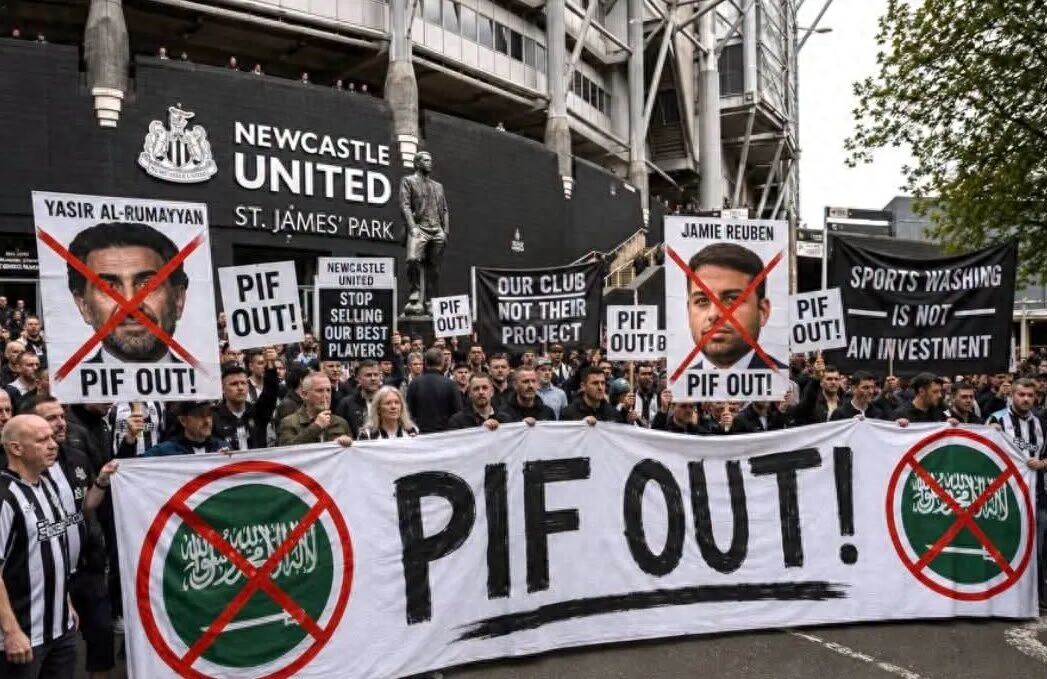
By Han Bing. Five years ago, the Saudi Public Investment Fund (PIF) acquired Newcastle, with the Saudi royal family hoping to replicate the success of Manchester City or Paris Saint-Germain, establishing a Saudi "soft power" symbol in Europe's top five leagues. However, five years later, in the summer window, Newcastle became the "top seller" of star players: Gordon (€80 million to Barcelona), Tonali (€108 million to Tottenham), plus the soon-to-be-announced Guimarães (€87.5 million to Arsenal), totaling €276 million in cash. If we add last summer's sale of Isak (€145 million to Liverpool), the Magpies have cashed in over €420 million in just one year. More importantly, the club may still sell more players.
Due to the sale of key stars, Newcastle manager Eddie Howe resigned in protest at the end of July. However, Newcastle's Saudi owners had been seeking investors since May, selling a small stake in the club to raise funds. Although the plan for a new large-capacity stadium is still moving forward, Saudi capital will not fully cover the €1 billion cost. The Saudi royal family still wants to make long-term investments in the Premier League, but before hosting the 2034 World Cup, they will maintain the status quo and will not build a new powerhouse capable of challenging for titles.
This summer, the Saudi dream of a Premier League giant, at least for Newcastle, has been shattered.

Seven months ago, Newcastle CEO Hopkinson boldly stated that the Magpies would "become a world-class club" by 2030. Now, it seems like a joke. Newcastle finished 12th in the Premier League last season. Manager Eddie Howe had hoped to maintain last year's investment level in the summer window, leveraging the advantage of no European competitions and an 85% investment ratio to challenge for a Champions League spot. But with Gordon and Tonali being sold, and Guimarães' departure only a matter of time, Howe left helplessly. With almost all core stars gone, how can they compete for European qualification?
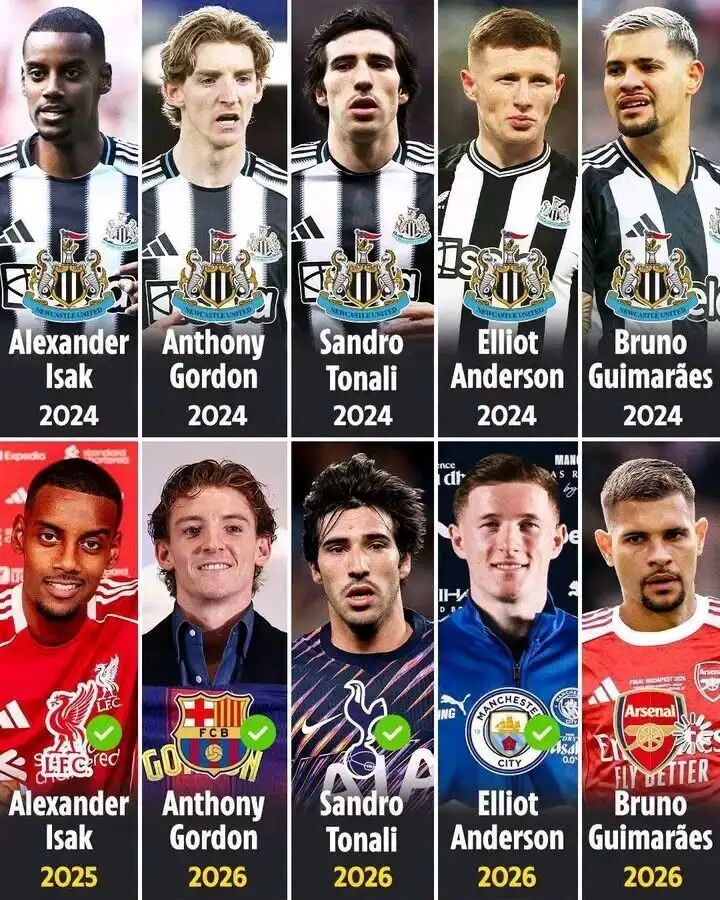
In the first three seasons after the Saudi takeover, Newcastle invested over €480 million, bringing in Guimarães, Tonali, Gordon, Isak, and others, building a team capable of challenging the traditional Premier League top six and competing for Champions League spots. But things changed fundamentally in the summer of 2024: Located in the northeast of England, Newcastle's revenue is far behind the traditional big six. Due to three consecutive seasons of heavy investment, they seriously violated the Premier League's Profitability and Sustainability Rules (PSR), forcing the club to sell players to balance the books. The first to be sold was midfielder Anderson, bringing in over €40 million. In the summer window of 2024, Newcastle achieved a transfer profit for the first time under Saudi ownership, marking the beginning of the collapse of the Saudi-funded Premier League dream.
Last summer, Newcastle was forced to sell star striker Isak (€145 million) to free up funds for transfer market investment. But the real disaster was the seven new signings brought in for nearly €280 million, none of whom lived up to their price tags in performance or statistics. To make matters worse, although Newcastle reached a settlement with UEFA for financial fair play violations, the Premier League introduced new financial fair play rules that further tightened the screws on Newcastle. At the same time, the sharp drop in international oil prices, along with the huge risks from the Iran crisis, forced Saudi Arabia to comprehensively scale back its ambitious national investment plans. The Magpies began a mass sell-off of key players. By 2025, of the 25-man squad that won the League Cup for Newcastle after 70 years, 12 had already left.
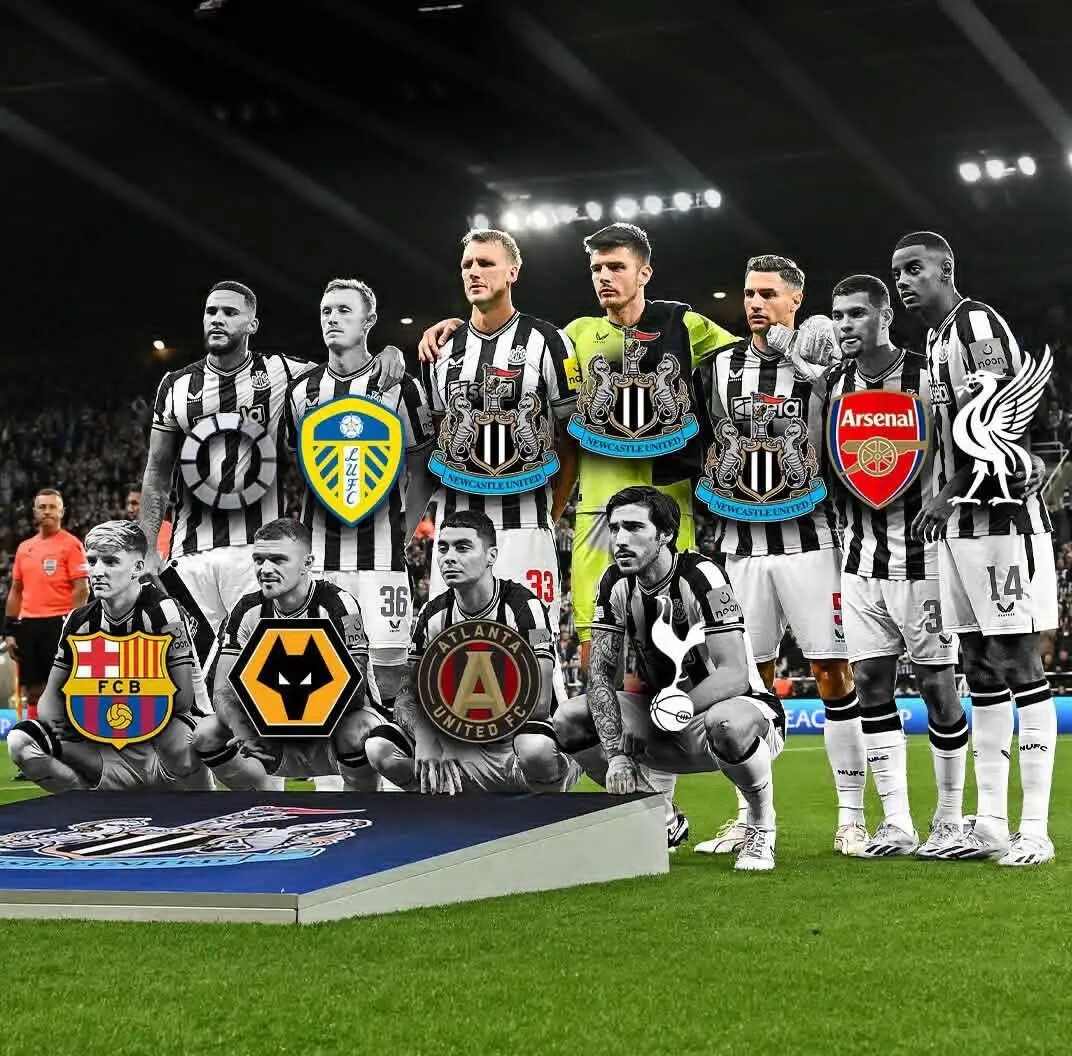

Selling Guimarães to Arsenal represents the complete collapse of the Saudi owners' dream of building a Premier League giant. At the same time, Newcastle spent €160 million on five new signings, the oldest of whom is Czech goalkeeper Honecek at just 24, with the other four all under 21. Just like the Saudi domestic league, which once splashed huge sums, Newcastle has abandoned the strategy of expensive superstars and instead hoards young talents to sell at a profit, relying on the transfer market to maintain revenue balance.
The constant loss of key players drove away Eddie Howe. Newcastle paid a hefty €11 million compensation to poach 38-year-old German coach Jasler from Al-Ahli (Jeddah). Jasler has won two AFC Champions League titles. His arrival symbolizes a shift in Newcastle's strategy: young, with advanced German tactical concepts, skilled at promoting and using young players, which helps to build up their value and sell them for profit, creating a virtuous cycle of transfer market profitability.
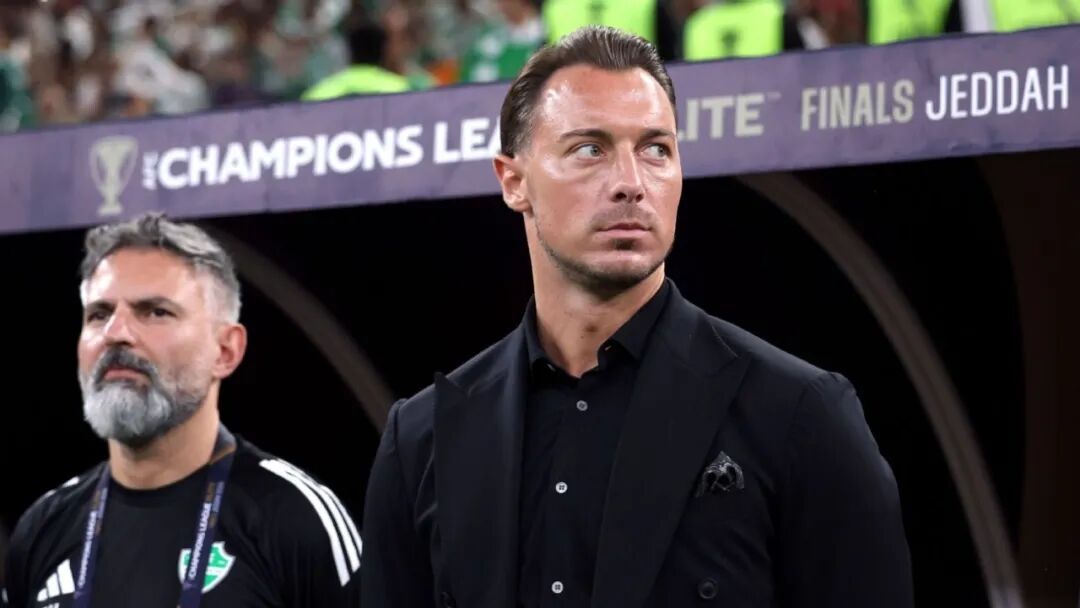
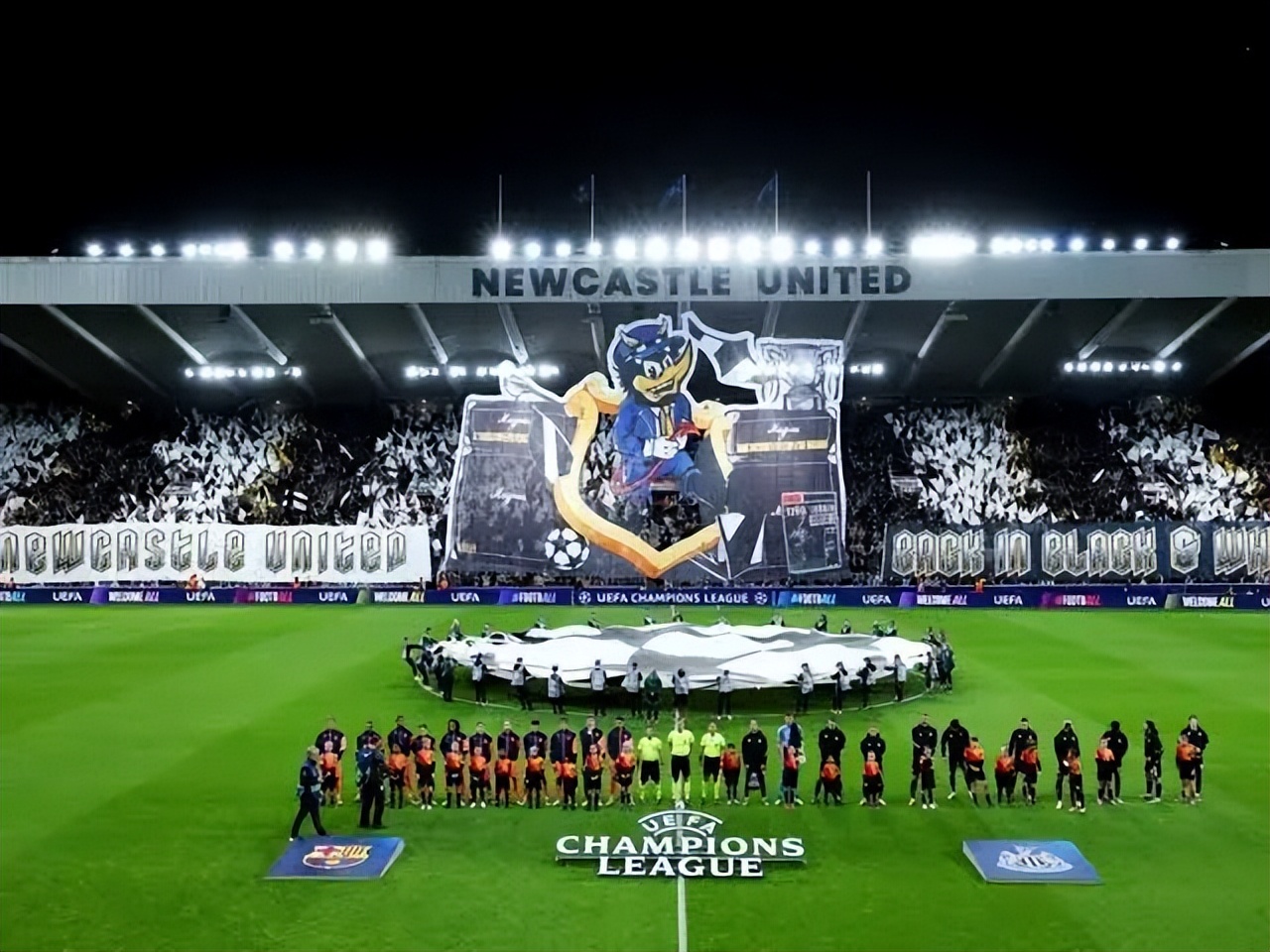
At the same time, Newcastle can also reduce the cost of building a new large-capacity stadium by selling a small stake. In this respect, the current Newcastle is similar to Arsenal 20 years ago. However, back then, Arsenal had already built its new stadium and then kept selling star players to repay the loan for the stadium. Today's Newcastle, on the other hand, is cutting costs for a new stadium while also having to meet the financial fair play requirements of both the Premier League and UEFA.
British football finance expert Maguire believes that the Saudi royal family invested at the wrong time. When Chelsea, Manchester City, and Paris Saint-Germain rose through heavy spending, there were no strict financial fair play rules. The outbreak of the Iran crisis earlier this year only accelerated the overall contraction of Saudi capital: infrastructure projects worth hundreds of billions of dollars have been fully scaled back, let alone Newcastle, a "small project" worth only about €1 billion. With the Premier League and UEFA's two financial fair play regulations on one side, and the comprehensive adjustment of Saudi oil capital investment strategy on the other, the Saudi royal family's Premier League giant dream has been like a huge bubble quickly pricked, leaving only pieces of ambition fallen to the ground.


Wonderfulshortvideo
vinicius junior transfer real madrid arsenal vini here we go arsenal news today real madrid news today ronaldo real madrid ronaldo edit


A sneak peak at yesterdays opener 👀
Think we might side with Francesca’s idea 😂
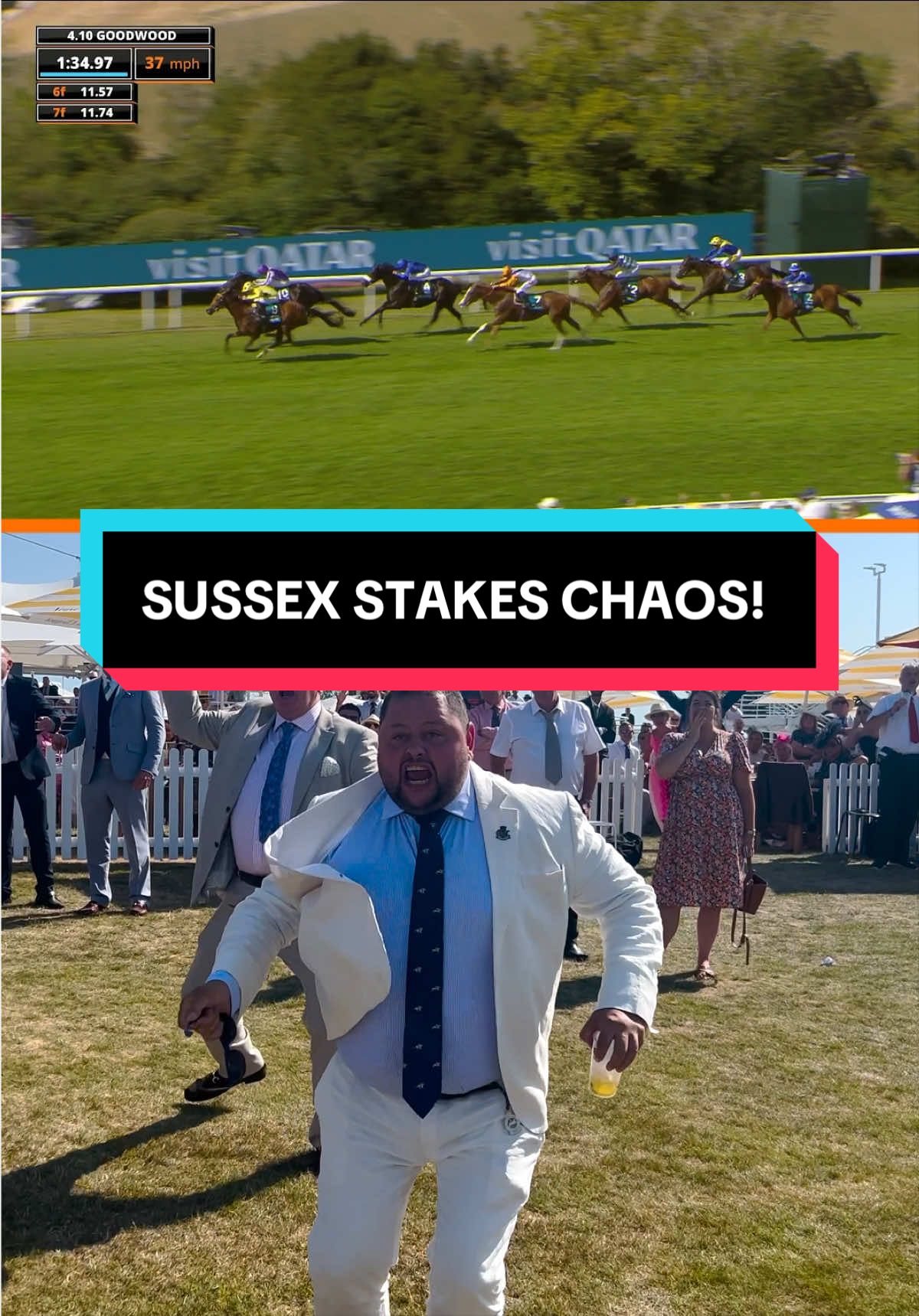
The highs & lows of racing 🐎
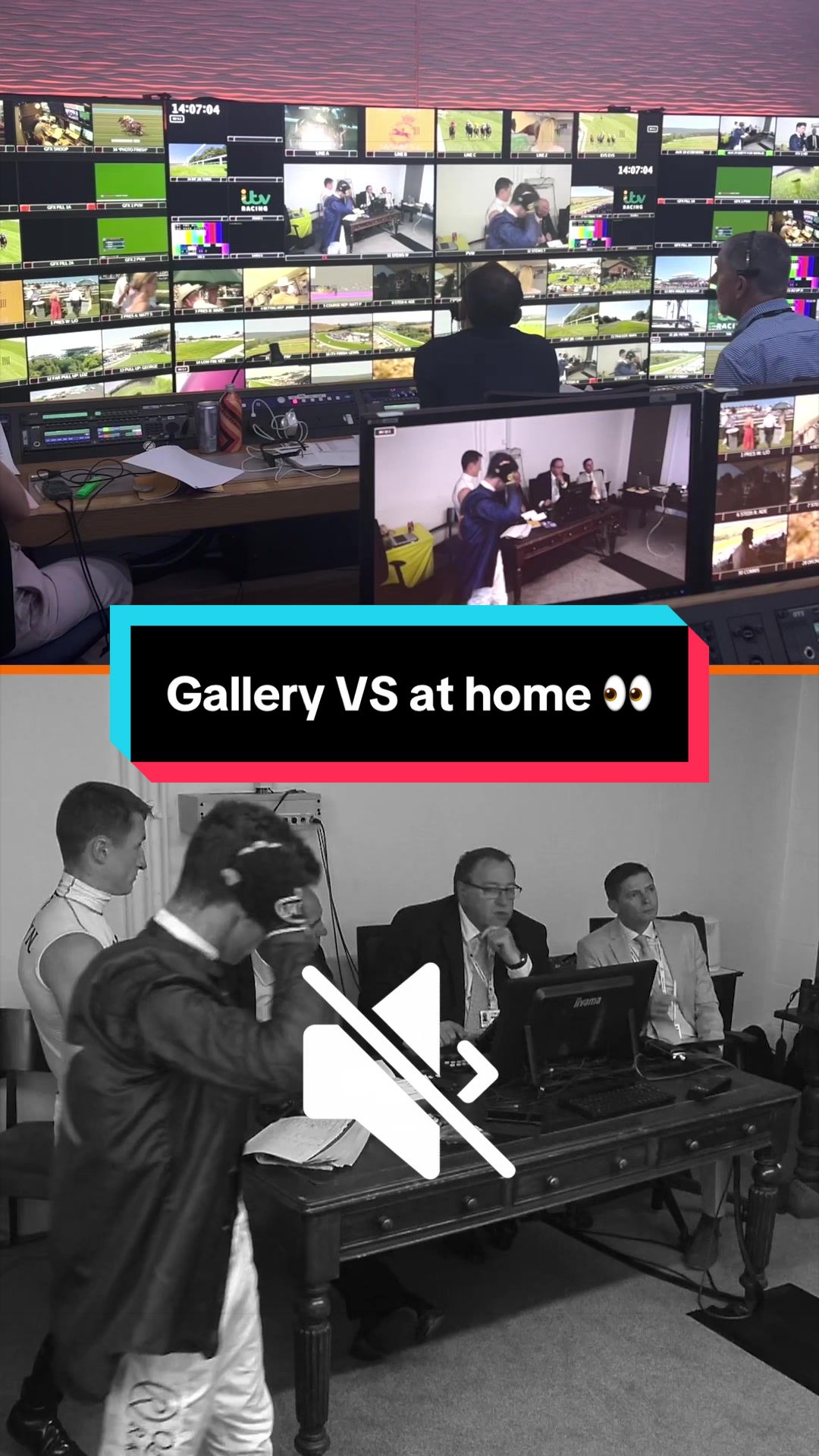
A different view to yesterday’s Stewards enquiry 👀
Perfectly explained by Francesca 🫶🏻
Keep an eye out for Adaay of Scarlett 👀
 Links
Links
 Contact
 App
App


