



A major shift appears, the 2030 World Cup faces the risk of disruption.



The organization of the 2030 World Cup is threatened by instability when a party in Spain's governing coalition calls for a reassessment of the joint hosting arrangement with Morocco and Portugal.
Main content
A striking proposal in the Spanish Congress
The left-wing party Sumar, a minor partner in Spain's ruling coalition, has submitted a motion to Parliament, requesting the government to "review and reassess" the co-hosting plan World Cup 2030 with Morocco and Portugal.
This move follows a severe migrant crisis in Ceuta, a Spanish territory in North Africa that shares a direct border with Morocco.
According to international media, over 70,000 people crossed from Morocco into Ceuta in a short period, overwhelming the local reception system. The incident also caused casualties and triggered intense debate about relations between Madrid and Rabat.
Sumar accuses Morocco of using the migration issue as a pressure tool. The party argues that a country with questioned human rights and international credibility should not automatically gain prestige from hosting the world's largest sporting event.
Not the same as Spain leaving the World Cup
Despite causing a stir, Sumar's motion currently has no legal binding force. The proposal also does not specify whether Spain will withdraw from the 2030 World Cup or request Morocco's removal from the co-host list.
Sumar's immediate objective is to compel the government to conduct a transparent evaluation of the hosting model, human rights standards, and the responsibilities of each host country.
Notably, the Spanish Football Federation has no intention of giving up the hosting plan. RFEF is reported to still uphold its commitment to the project, as the parties have signed numerous agreements and invested substantial resources in preparation.
This means the probability of Spain withdrawing from the 2030 World Cup at present remains quite low. However, political pressure could impact the cooperation among the three countries in the coming years.
The contest to host the final becomes even more intense
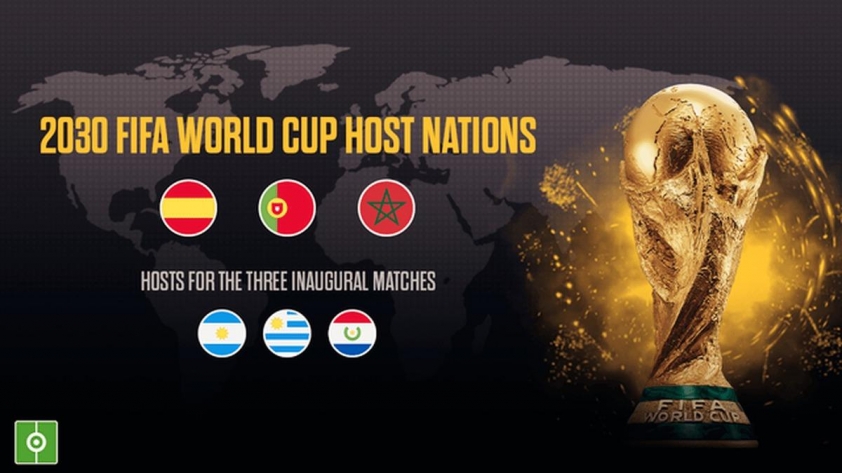
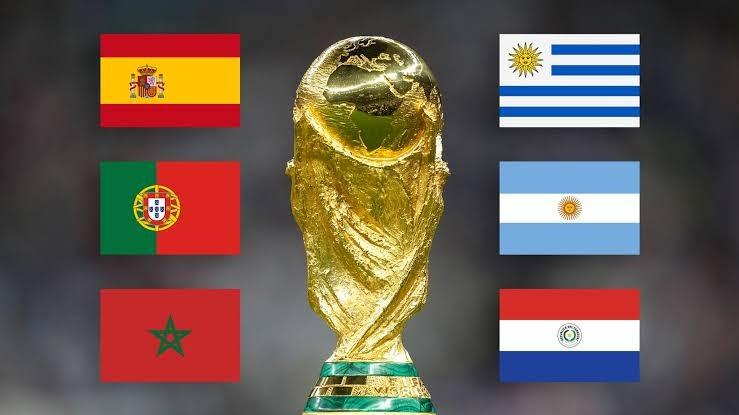
Spain, Portugal, and Morocco were officially chosen by FIFA as the three main host nations of the 2030 World Cup on December 11, 2024. Argentina, Uruguay, and Paraguay will also host three commemorative opening matches, marking the 100th anniversary of the first World Cup.
Before the dispute erupted, Spain and Morocco had been fiercely competing for the right to host the final. Spain wanted to bring the most important match to the Bernabeu stadium in Madrid, while Morocco pushed for a new stadium in the Casablanca area.
Therefore, Sumar's motion not only raises questions about the future of the hosting alliance but could also make the race to host the final World Cup 2030 more complicated.


Wonderfulshortvideo

vinicius junior transfer real madrid arsenal vini here we go arsenal news today real madrid news today ronaldo real madrid ronaldo edit



A sneak peak at yesterdays opener 👀

Think we might side with Francesca’s idea 😂

The highs & lows of racing 🐎

A different view to yesterday’s Stewards enquiry 👀

Perfectly explained by Francesca 🫶🏻

Keep an eye out for Adaay of Scarlett 👀
 Links
Links
 Contact
 App
App


