



Manchester United's Champions League salary increase clause details revealed, hindering the clearance of Rashford. Zirkzee may be sold.



The UK's *Daily Telegraph* commented that the 2023 summer transfer window was perhaps the most disastrous for Manchester United. The club could have tried to sign Harry Kane and Declan Rice, but instead brought in Højlund, André Onana, and Mason Mount, with total fees of about £170 million—not significantly less than Kane (£86 million) and Rice (£105 million). That same summer, United also extended Marcus Rashford's contract, creating a deal that continues to trouble the club.
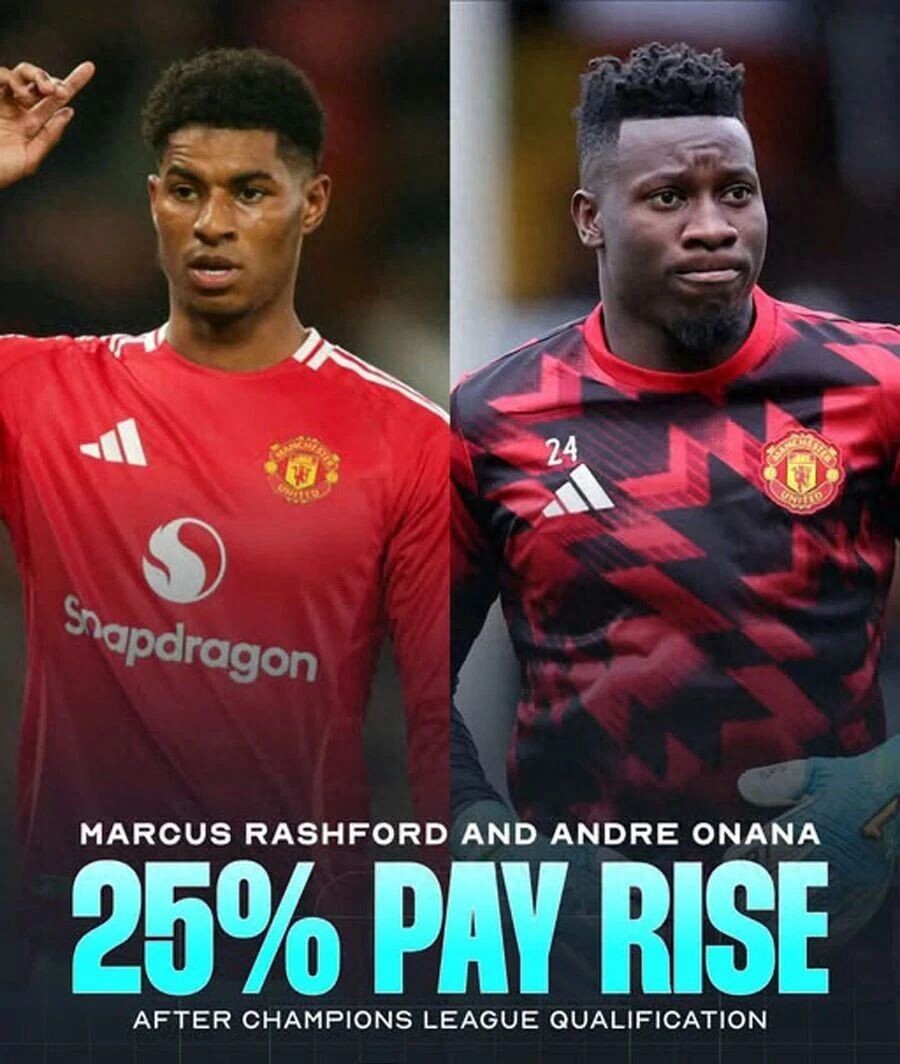
Currently, Manchester United is trying to offload several players, including Rashford and Onana, but their contracts contain clauses that automatically increase their wages by 25% if the team qualifies for the Champions League, making sales more difficult.
Former Manchester United midfielders Donny van de Beek and defender Eric Bailly received salary increases in 2023 because the team had Champions League qualification, preventing United from getting rid of them. At the time, Bailly had just finished a loan spell at Marseille without meeting the appearance threshold to trigger a buy option, while Van de Beek played only 294 minutes in the 2022/23 season.
Such performances, combined with a 25% wage hike, made other clubs hesitant. To offload Bailly, United eventually had to forgo a transfer fee from Beşiktaş, even though the Ivorian defender still had a year left on his contract. Otherwise, he might have remained stuck like Van de Beek, who ultimately failed to leave. UK media joked that even at Europa League wage levels, they would be difficult to offload, let alone at Champions League salary standards.
UK media revealed that after learning from these lessons, Manchester United made significant adjustments to the structure of new signings and contract renewals. Previously, players automatically received a 25% pay rise whenever United qualified for the Champions League. Now, under the new terms, players must earn the increase by meeting certain conditions.
According to reports, one fundamental principle is that players must have played at least 60% of the minutes in the season the club qualified for the Champions League—meaning they contributed to earning the qualification—to receive the generous financial reward. The logic behind United's new rules is simple: players with limited game time, poor performances, or those considered surplus to requirements should not enjoy the same treatment as the standout performers.
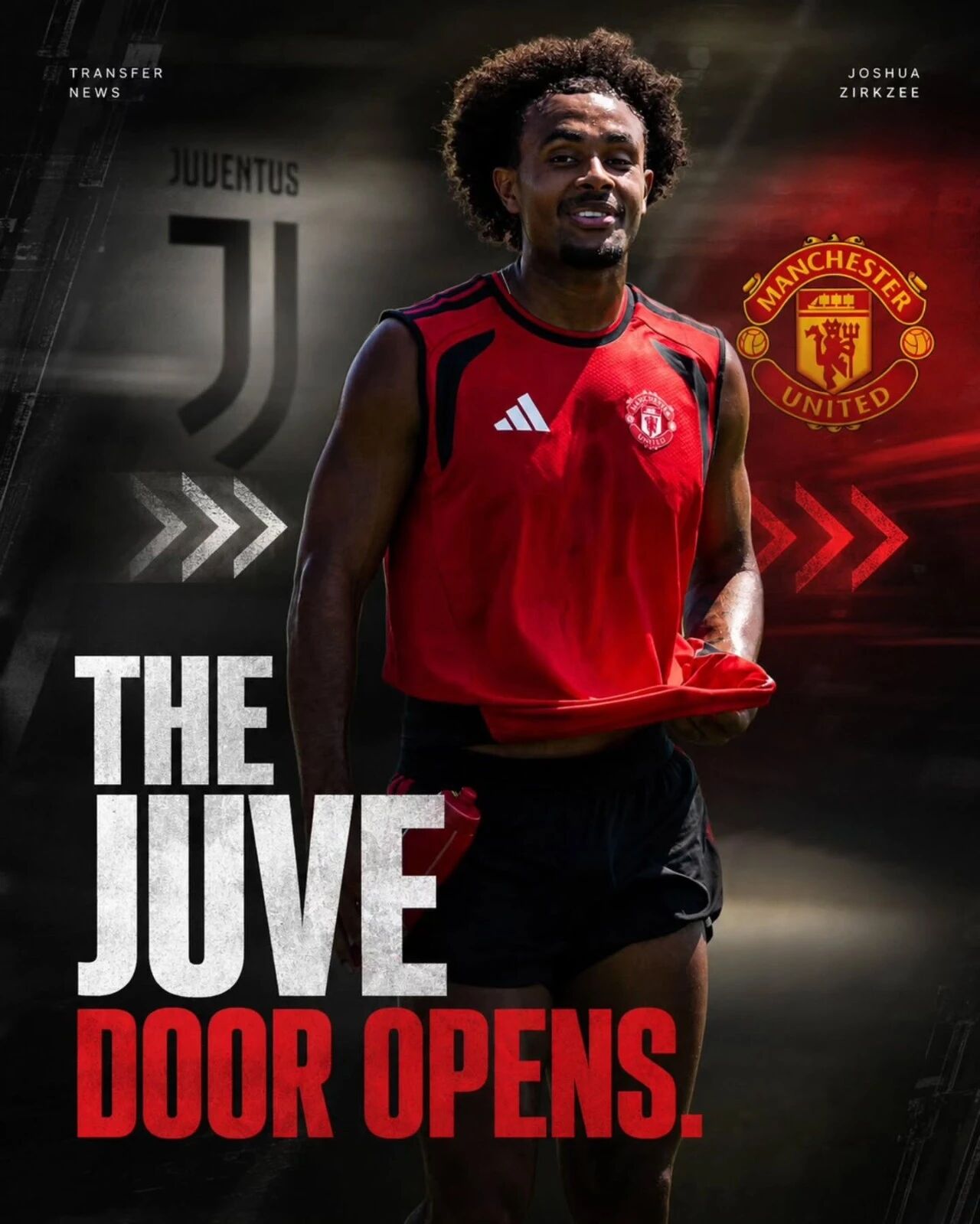
This allows the club to save millions of pounds in wages, giving them more room to maneuver in the transfer market. 24-year-old Dutch striker Joshua Zirkzee clearly did not meet this quota last season, so his salary did not increase this summer. As a result, Zirkzee is now the most likely player to be sold.
Because Zirkzee's wages have not increased, they are not as prohibitive for potential suitors as those of other Manchester United players. Zirkzee is currently attracting interest from Juventus and other clubs in Italy, with a possible loan-to-buy deal.
Ugarte was in a similar position—his playing time last season was less than a third of United's total minutes, so he missed out on a pay rise. However, a serious knee injury sustained during the World Cup ended any possibility of a transfer this summer. Fortunately, Ugarte was injured during a World Cup match, so under FIFA's Club Protection Program, FIFA will cover his £120,000-a-week wages while he is sidelined.
But Rashford's situation differs from the two above. The five-year contract he signed in July 2023 was agreed before the club reformed its salary increase conditions. Therefore, even though he was loaned to Barcelona last season and has not played for Manchester United in over 20 months—naturally having no connection to the club's return to the Champions League—the English star has still received a 25% pay rise. His basic weekly wage has returned to £300,000, and with additional income it can reach £325,000 or more.
This means an annual increase of at least £4 million in wages, making Rashford the highest-paid player at Manchester United. Barcelona decided not to activate the €30 million (£26 million) three-year option to buy Rashford, instead signing Anthony Gordon from Newcastle for €80 million, with wages also being a factor.
As things stand, Rashford is definitely set to report to Carrington training ground this weekend. He has already enjoyed his new wages for a month, as the new financial year started on July 1, when his pay rise took effect.
Manchester United does not plan to loan Rashford out again. If they cannot sell him, the 28-year-old England winger will join Carrick's squad. The club is optimistic that he will stay focused, regain form, and make a useful contribution to the team.
Onana is another player who benefited from a 25% wage increase this summer, despite being on loan at Trabzonspor last season and contributing nothing to United's eventual third-place finish. The Turkish club successfully renewed Onana's loan for another month, but because of the Cameroonian goalkeeper's salary rise, United did not gain greater financial benefit from his departure. Additionally, Onana's contract still has two years remaining, so he will return to the club next summer, continuing to pose a problem.
Mason Mount's contract also falls under the old terms, so even though he played only 30% of the minutes last season, his wages have reverted to £250,000 a week. Data shows that since joining United for £60 million three years ago, Mount has started just 25 Premier League matches—fewer than teammates Bruno Fernandes, Diogo Dalot, or Mbeumo have managed in a single season.
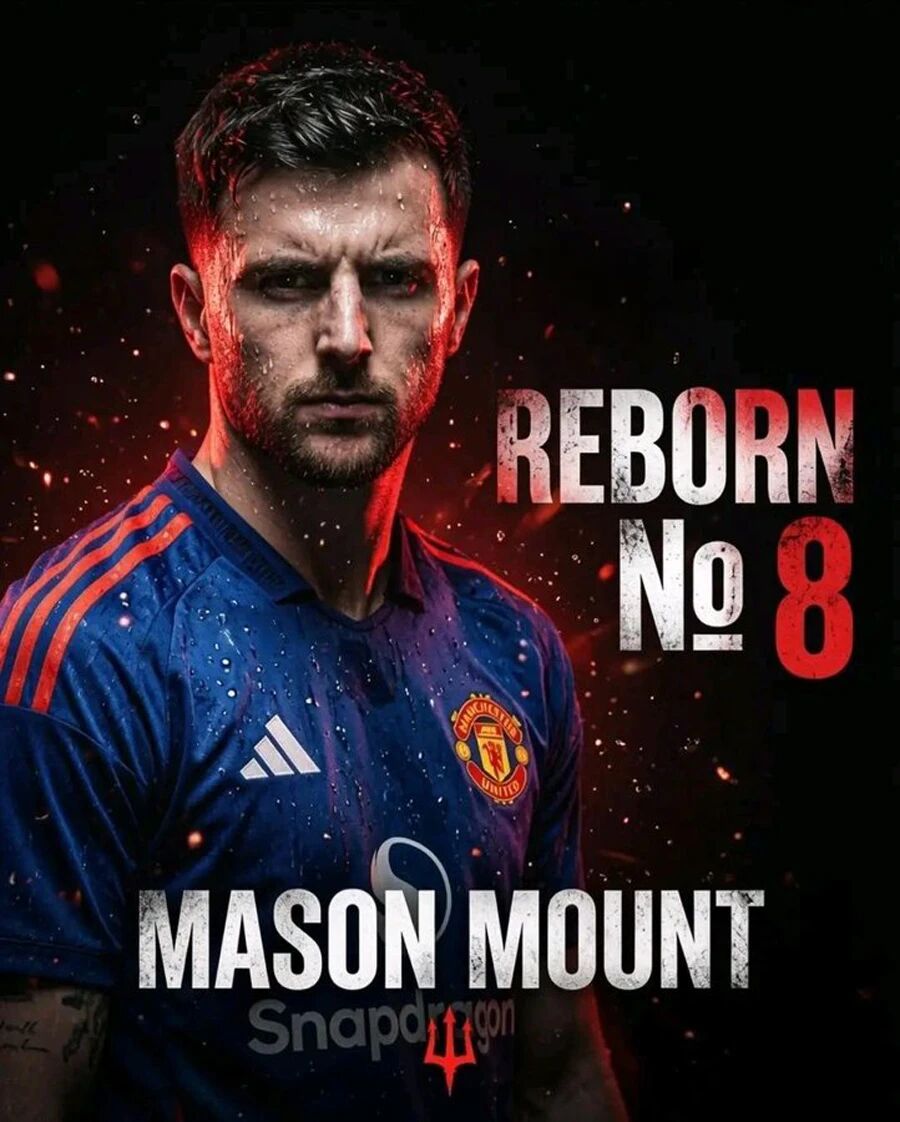
The 27-year-old England midfielder was deployed as a defensive midfielder by Carrick during pre-season and showed positive performances. The club hopes Mount can stay fit and consistently demonstrate his quality, rather than just being a "pre-season Pirlo."


Wonderfulshortvideo
vinicius junior transfer real madrid arsenal vini here we go arsenal news today real madrid news today ronaldo real madrid ronaldo edit



A sneak peak at yesterdays opener 👀

Think we might side with Francesca’s idea 😂

The highs & lows of racing 🐎

A different view to yesterday’s Stewards enquiry 👀

Perfectly explained by Francesca 🫶🏻

Keep an eye out for Adaay of Scarlett 👀
 Links
Links
 Contact
 App
App


