



From green leaves to blossoming flowers, a rewritten script for high school football



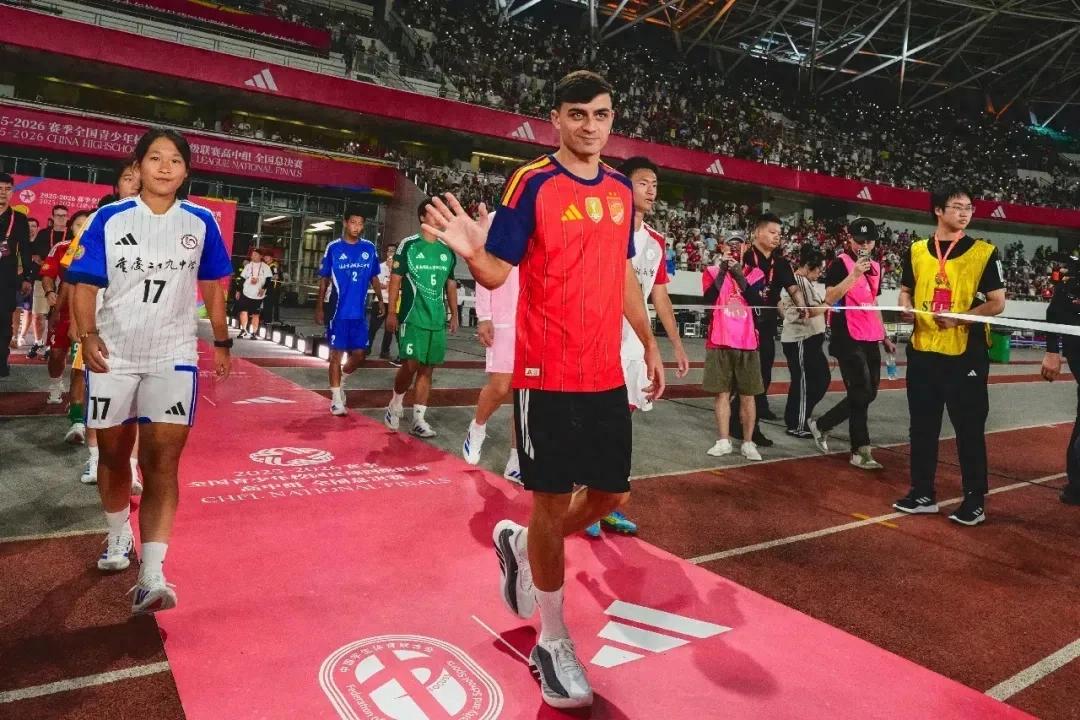
Written by Meng Xiang On July 26, 2026, more than 20,000 fans poured into the Suzhou Sports Center Stadium. The main attraction was not professional athletes, but a group of elite high school football players. In addition to them, there was Pedri, fresh off a World Cup victory, and last year, his teammate Yamal had graced the same occasion.
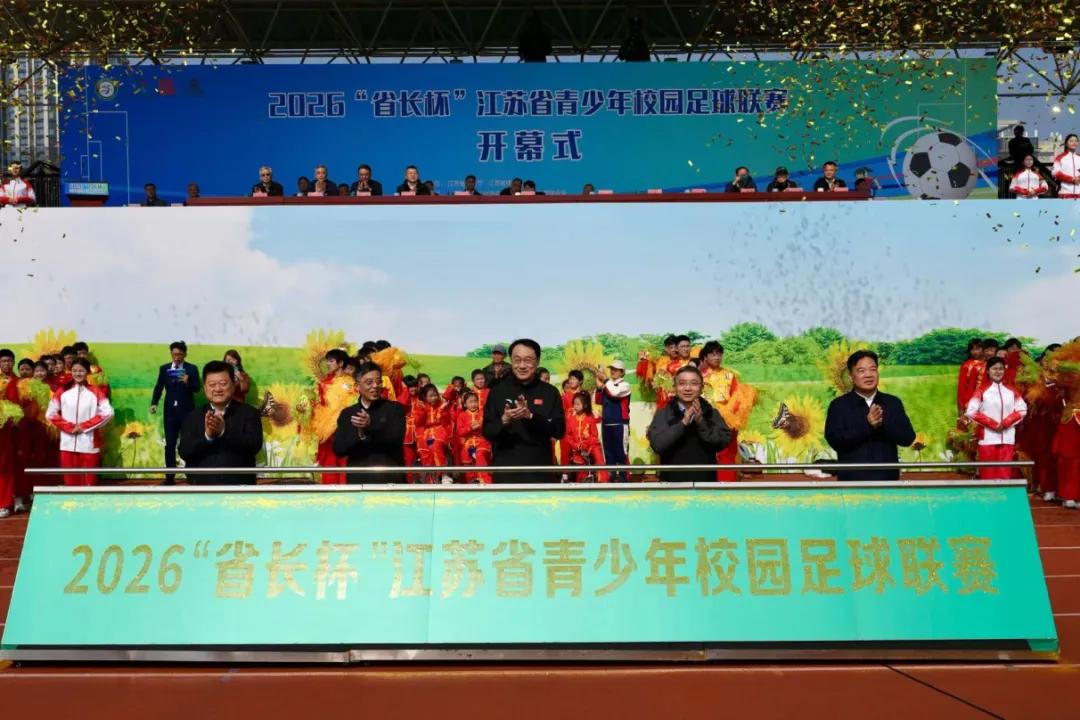
Rewind three years, and no one would have dared to dream of such a spectacle. Over the past three years, high school campus football has evolved in three key directions: the upgrading of competition platforms, the gradual rise of school-based teams, and the nationwide expansion of the home-and-away match system.

The National Youth Campus Football League, founded in 1999, is the oldest and most widespread campus football competition in China. Yet it has only truly captured public attention in the last two years. In 2024, the finals were held at the Beijing Olympic Sports Center, with Dalian No. 8 High School winning the boys' title and Licheng No. 2 High School defeating Baoding No. 1 High School to claim the girls' championship. At that time, no one realized how profound the changes would be.
In 2025, the number of participating teams in the high school league increased to 63, and for the first time in history, tickets were sold. On July 9, the final drew over 10,000 paying spectators. Beyond ticket sales, 17-year-old European champion Yamal attended the match and exchanged jerseys with our high school players. Just three days earlier, Zhou Yuno from Tsinghua University High School had scored a last-minute winner for China's U16 team at the "Peace Cup" in Shenyang. The thin barrier between the high school league and the national team was being shattered.

In 2026, the final attracted over 20,000 live spectators and 19 million online viewers. Tsinghua University High School successfully defended its boys' title, Baoding No. 1 High School won the girls' championship, and Licheng No. 2 High School became the first school in history to have both its boys' and girls' teams reach the national semifinals.
The high school league stage has always been graced by prestigious schools. Dalian No. 8 High School, Tsinghua University High School, Changsha Lushan International, Yali High School, Chongqing Nankai, Zhengzhou No. 9 High School—these names carry decades or even centuries of educational history and years of football tradition. Licheng No. 2 High School's girls' team has amassed one world title, three national championships, and eight provincial titles in four years. Tsinghua University High School has produced multiple national youth team players. Nanchang No. 2 High School has transformed from a dark horse into a formidable force.
The booming popularity of the national high school league has not only elevated the standard of high school football competitions but also marked the beginning of a branding process for high-level elite events.
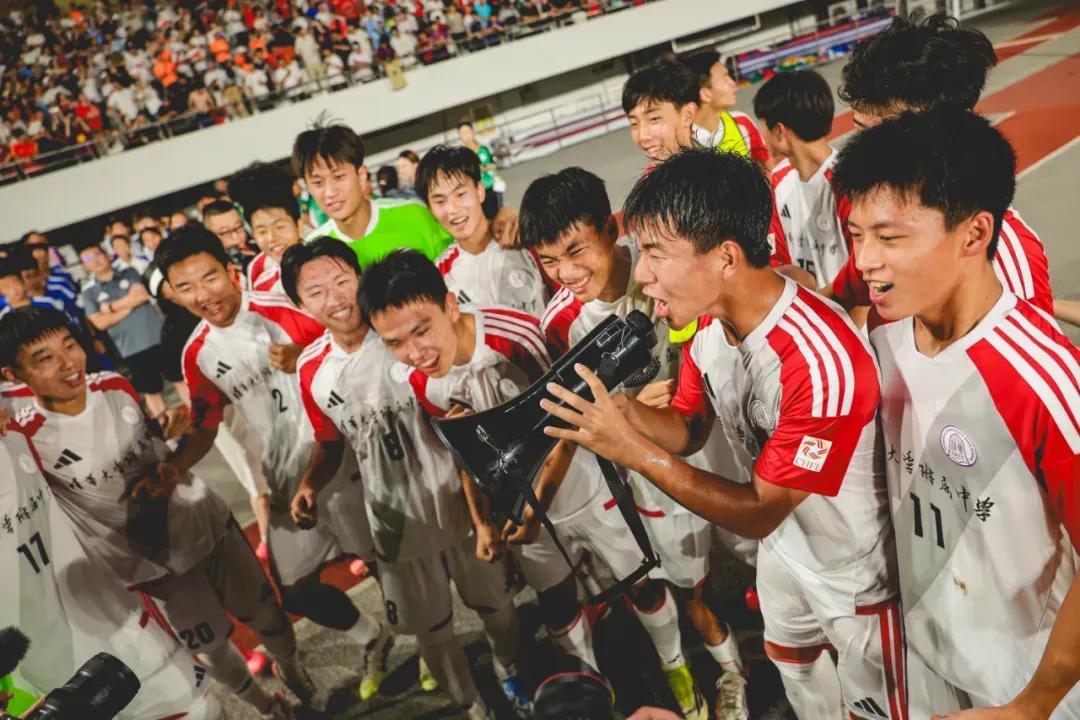

The China Youth Football League, launched in 2022, stands out for its "no barriers" policy—school teams, sports school teams, professional club youth teams, and social training institutions compete directly on the same stage. Among them, the U17 age group is one of the most fiercely competitive, where campus teams must face off against professional youth teams head-on.
Over four years, this competitive dynamic has clearly shifted, with campus football gaining strength. In the inaugural 2022 edition, Zhejiang Professional Football Club U17 A Team defeated Shandong Luneng Taishan Football School U17 to win the title, with both finalists being professional youth teams. Campus teams merely played the role of supporting cast in the knockout stages.
In the second edition in 2023, Zhejiang Professional Football Club Green Team won the championship, with Shanghai Shenhua's youth team as runner-up. Professional youth teams continued to dominate the top two spots, but campus teams like Zhengzhou No. 9 High School and Shijiazhuang No. 2 High School began to knock on the door of the quarterfinals.
In the third edition in 2024, Jiangsu Jiangning Football Training Base Team 1 won 4-0 against Shandong Taishan U17, with the final still being an internal affair of professional youth systems. However, changes occurred on a broader scale, as campus teams showed clear improvement in both numbers and competitiveness within the top 24.
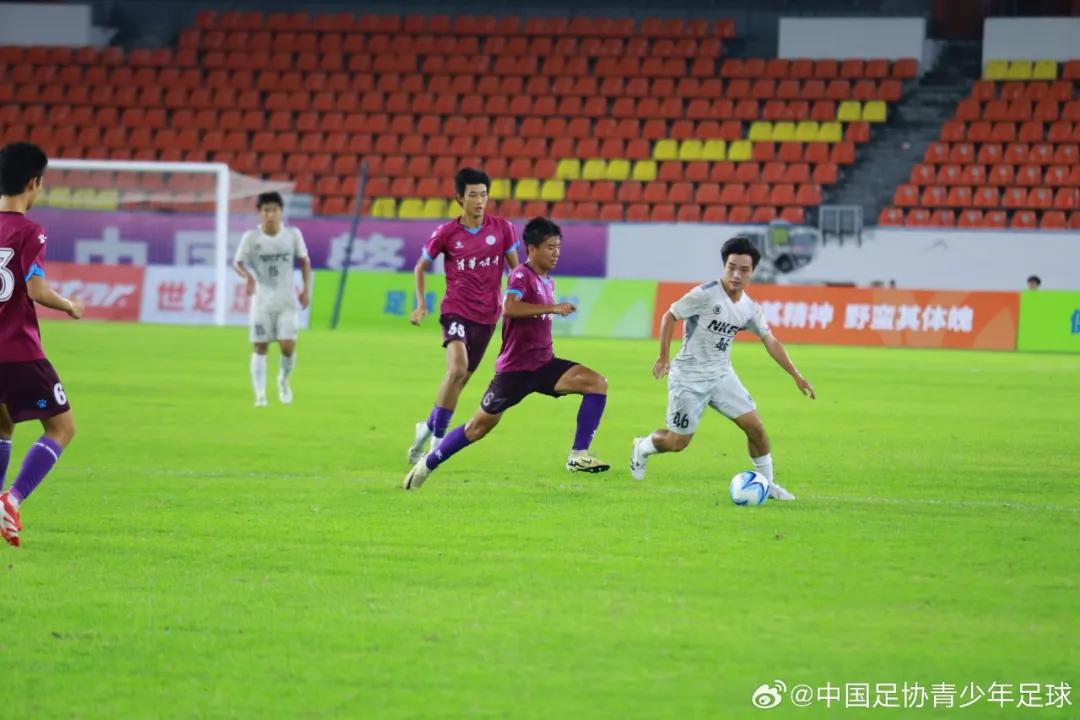
In the fourth edition in 2025, Tsinghua University High School defeated Chongqing Nankai High School 2-1 to win the men's U17 title. This marked the first time in the history of the China Youth Football League's U17 category that two campus teams met in the final. Although professional youth team players were absent due to call-ups for the National Games, this campus-team final was no coincidence—it reflected the rising trend of school-based football. Among the top 10 in the U17 group, campus teams already occupied half: Tsinghua University High School (champion), Chongqing Nankai High School (runner-up), Zhengzhou No. 9 High School (6th), Jinan Licheng No. 2 High School (7th), and Henan Experimental High School (10th). In just four years, campus football had completed its transformation from participant to competitor on the highest competitive platform.
The fifth edition of the China Youth Football League is underway in 2026. Over 200 teams participated in the men's U17 group nationwide, with 64 advancing to the national finals. The top 32 were all decided on July 28. Campus teams and school-sports co-built teams fielded an unprecedentedly strong lineup: Chongqing Nankai High School won all seven matches to top the southern zone standings, Jinan Licheng No. 2 High School secured a spot through the regional league's direct qualification, and Tsinghua University High School, Chongqing Fengmingshan High School, Changsha Lushan International, Yali High School, Chengdu Tangwai, Wuhan No. 19 High School, Zhengzhou No. 9 High School, Henan Experimental High School, South China Normal University Affiliated High School, Shijiazhuang No. 2 High School—the number and quality of campus teams on this list are worlds apart from four years ago.
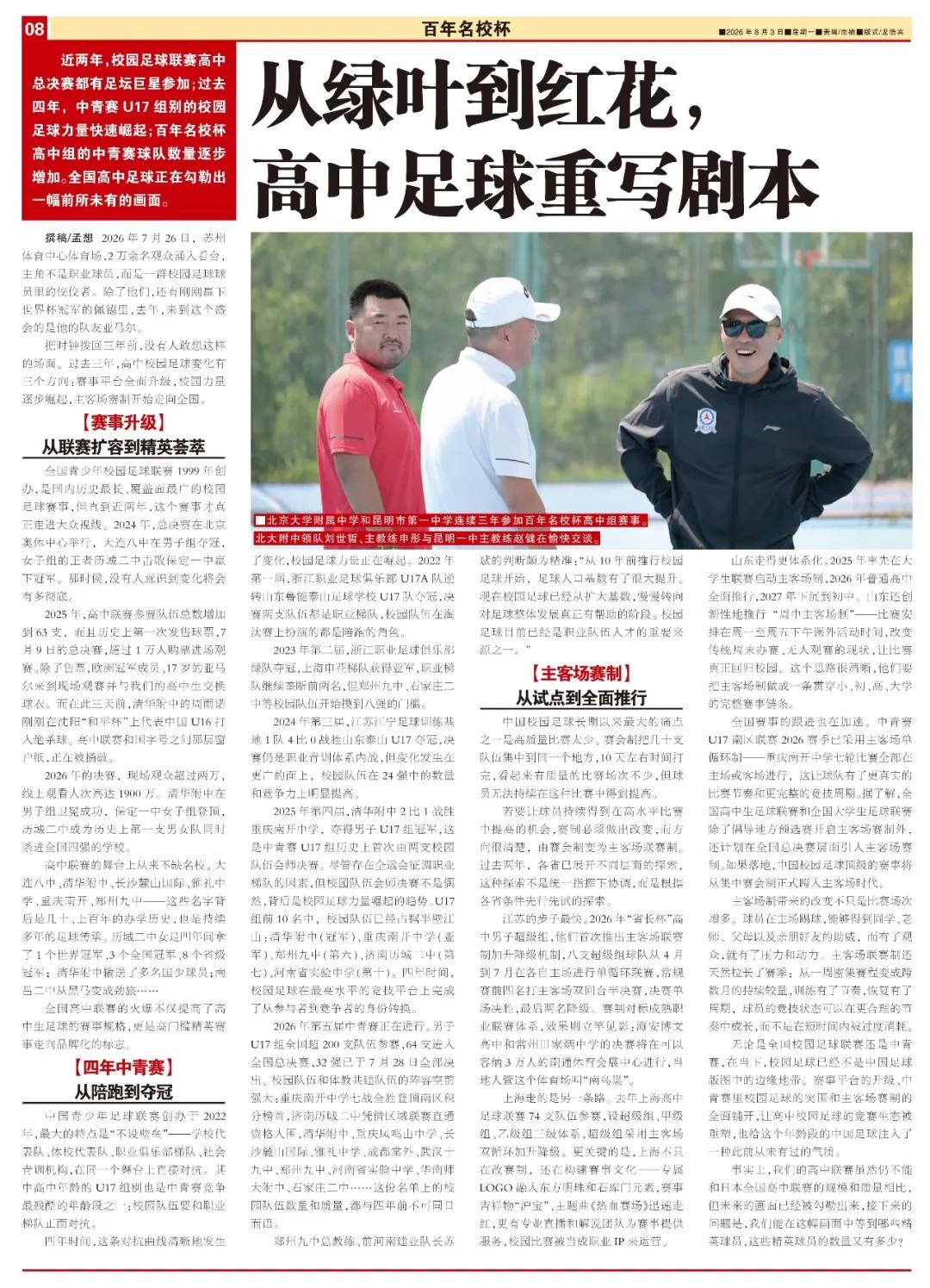
Su Bin, head coach of Zhengzhou No. 9 High School and former captain of Henan Jianye, offered a precise assessment: "Since the promotion of campus football started ten years ago, the base of football participants has greatly increased. Now campus football has shifted from simply expanding the base to a stage that truly benefits the overall development of football. Campus football has already become one of the important sources of talent for professional teams."
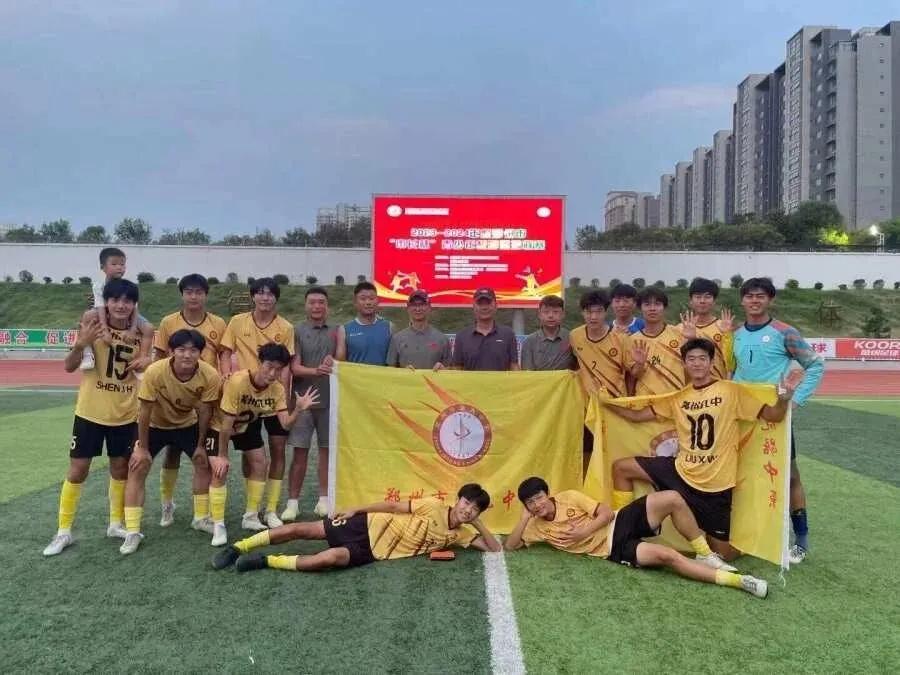

One of the long-standing pain points of Chinese campus football has been the lack of high-quality matches. The tournament format gathers dozens of teams in one location and finishes in about ten days. While it provides a fair number of quality matches, players cannot continuously improve through such a compressed schedule.
To give players sustained opportunities to improve through high-level competition, the format must change. And the direction is clear: shift from a tournament format to a home-and-away league system. Over the past two years, various provinces have explored different approaches. These explorations are not centrally coordinated but rather pilot initiatives based on local conditions.
Jiangsu has moved the fastest. In 2026, the "Governor's Cup" high school boys' super group introduced a home-and-away league system with promotion and relegation for the first time. Eight super group teams played a single round-robin league at their home grounds from April to July. The top four from the regular season advanced to a home-and-away two-legged semifinal, with a single-match final, and the bottom two were relegated. The format mirrors a mature professional league system, and the results were immediate: the final between Haian Bowen High School and Changzhou Tianjiabing High School will be held at the Nantong Sports Convention and Exhibition Center, which can hold 30,000 spectators—locals call it the "Southern Bird's Nest."
Shanghai has taken a different path. Last year, Shanghai's high school football league featured 74 teams divided into three tiers: super group, first division, and second division. The super group adopted a home-and-away double round-robin with promotion and relegation. More importantly, Shanghai is not just changing the format; it's building a competition culture—a dedicated logo incorporating Oriental Pearl and Shikumen elements, a mascot called "Hubao," a theme song "Passionate Court" that quickly went viral, and professional broadcast and commentary teams to serve the event. Campus matches are being operated like professional IPs.
Shandong has taken a more systematic approach. In 2025, it pioneered a home-and-away system in the university league, fully implemented it in regular high schools in 2026, and plans to extend it to middle schools in 2027. Shandong also innovatively implemented a "weekday home-and-away system"—matches are scheduled during extracurricular activity time on Monday to Friday afternoons, breaking away from the traditional weekend tournament model with no spectators, and returning the games to the campus. The logic is clear: they aim to build a complete chain of home-and-away leagues spanning elementary, middle, high school, and university levels.
The national competition is also accelerating its adoption. The southern zone league of the China Youth Football League's U17 category adopted a single round-robin home-and-away system in the 2026 season—Chongqing Nankai High School played all seven matches either at home or away, giving the team a more realistic match rhythm and a complete competitive cycle. It is understood that the National High School Football League and the National University Football League are not only advocating for the home-and-away format in local qualifiers but also planning to introduce it at the national final stage. If implemented, China's top campus football competitions will officially transition from a centralized tournament format to a home-and-away era.
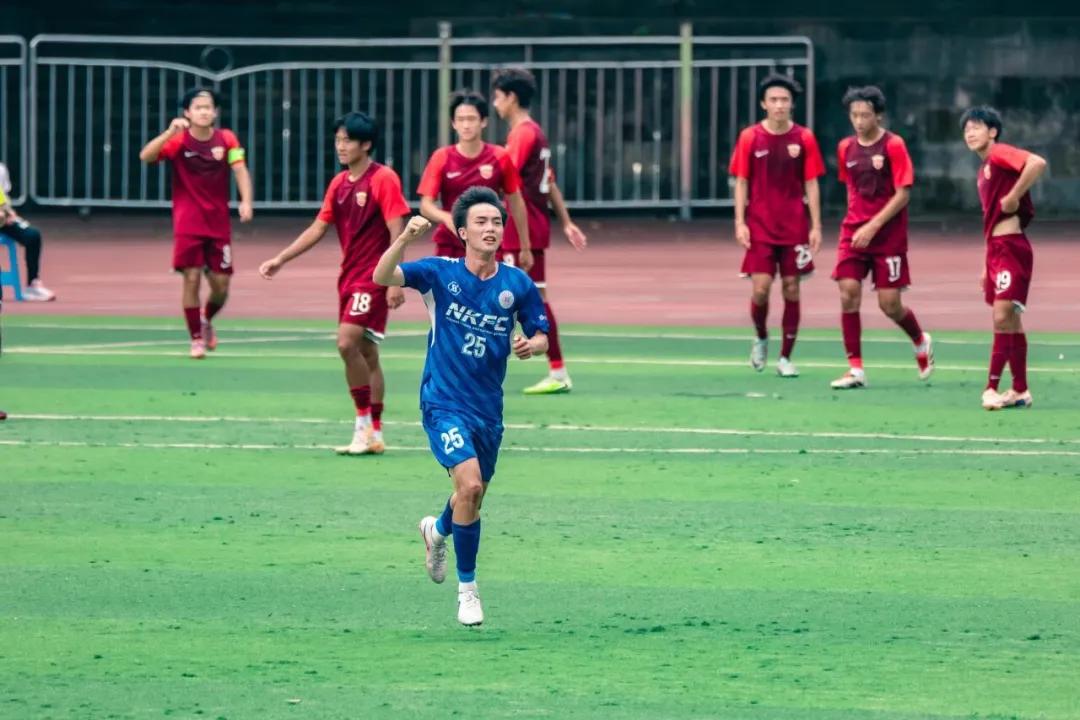
The impact of the home-and-away system goes beyond just having more matches. Players competing at home receive cheers from classmates, teachers, parents, and friends. With an audience comes pressure and motivation. The home-and-away league system naturally extends the season: from a dense one-week schedule to a multi-month sustained competition. Training has a rhythm, recovery has a cycle, and players' competitive form can develop in a more reasonable pace rather than being overconsumed in a short period.
Whether in the national campus football league or the China Youth Football League, campus football is no longer a marginal part of the Chinese football landscape. The upgrade of competition platforms, the breakthrough of campus teams in the China Youth Football League, and the full rollout of the home-and-away system have reshaped the competitive ecosystem of high school campus football. This has also injected a new and unprecedented quality into Chinese football for this age group.
In truth, our high school league still cannot match the scale and quality of Japan's national high school league. But the blueprint for the future has been drawn. The next question is: which elite players will we see emerge from this picture, and how many of them will there be?


Wonderfulshortvideo

vinicius junior transfer real madrid arsenal vini here we go arsenal news today real madrid news today ronaldo real madrid ronaldo edit



A sneak peak at yesterdays opener 👀

Think we might side with Francesca’s idea 😂

The highs & lows of racing 🐎

A different view to yesterday’s Stewards enquiry 👀

Perfectly explained by Francesca 🫶🏻

Keep an eye out for Adaay of Scarlett 👀
 Links
Links
 Contact
 App
App


