



Vietnam vs Malaysia: Play as the 'favorite' or choose to play as the 'underdog'?



Although they have secured a ticket to the semifinals with outstanding statistical numbers, the Vietnam national team's performances still reveal some "imperfections" in their style of play.
After four group stage matches, the Vietnam national team earned 10 points, scored 13 goals, and conceded only one goal. While these are impressive figures, the real challenge for their title defense journey begins only in the semifinals, where opponents possess much higher discipline and professional quality.
One thing is very easy to notice: when the opponent plays an open game, the Vietnam national team is also ready to respond with coherent and expansive moves. Or, if the opponent imposes an early attacking style, we proactively defend tightly and execute effective counterattacks. Conversely, when the opponent plays defensively, conceding both space and possession, the Vietnam team often falls into a deadlock.
The final group stage match against Cambodia was the clearest example. In that match, Vietnam completely dominated the game with 75% possession. Coach Kim Sang Sik's players continuously pushed up the formation to apply full-court pressing right on the opponent's half. Despite creating suffocating pressure, the effectiveness of their attacks on goal did not match their dominance.
The ability to "unlock" deep-lying defenses remains a problem without a thorough solution. When the spaces behind the opponent's defensive line were narrowed, Vietnam's combinations fell into a stalemate, reminiscent of the goalless draw against Singapore.
In reality, entering the match with the mentality of an "underdog" helped the Vietnam national team maximize their strengths. In that scenario, winning back the ball, escaping pressure, and launching quick counterattacks all created clear scoring opportunities. Conversely, the Vietnam team would play like "a chicken with its head cut off" if they adopted the mindset of a "favorite." This means we are not yet at the level to completely dominate an opponent.
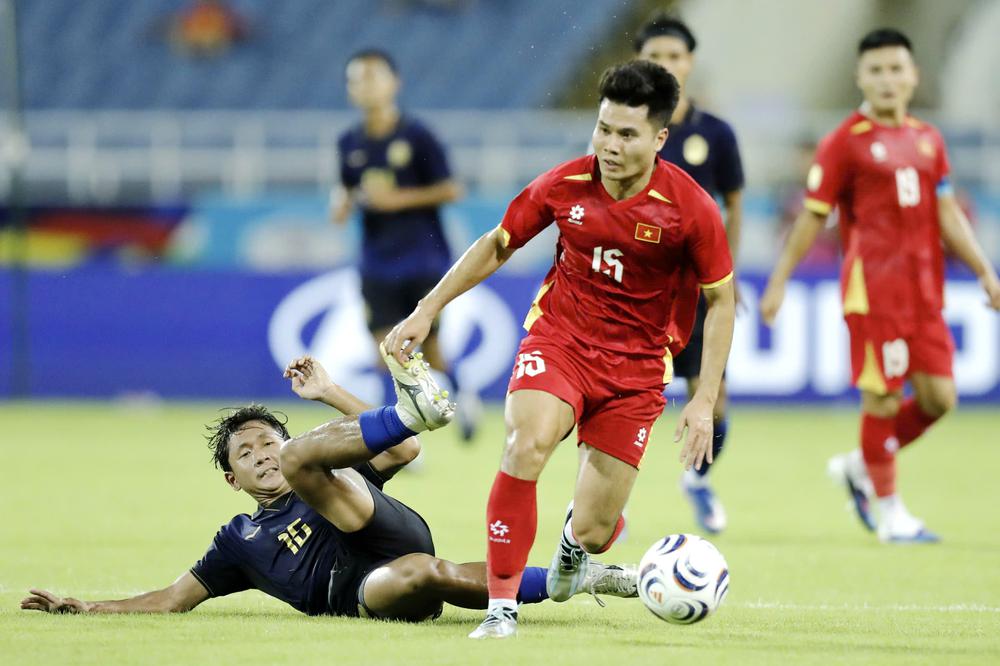
The Vietnam national team, though unbeaten in the group stage, has yet to display a fully convincing style of play. Photo: Hoang Linh
Besides the attacking problem, moments of defensive lapses repeatedly occurred in the match against Cambodia. Not limited to individual errors, the team's defensive block also faced major challenges in countering quick transitions. The opponents continuously exploited the spaces behind the center-backs. The sluggishness in covering forced goalkeeper Le Giang Patrik to frequently rush out of the box to clear danger.
This is an important reminder for the defensive system before entering the semifinals, where opponents will know how to punish even the smallest mistakes. Against a weaker opponent like Cambodia, the team still had a chance to correct errors. However, in the semifinals, any minor deviation could come at a heavy cost. With a dense match schedule and a challenging semifinal journey ahead, distributing energy and preserving key players are top priorities.
Against an opponent expected to defend deep, Coach Kim Sang Sik needs multiple approaches to reach the Malaysian goal. Once the ability to penetrate through the center encounters difficulties, besides pressing to maintain an overwhelming tempo, there is a great need for breakthroughs on the wings, powerful long-range shots, and set-piece situations to secure opportunistic goals.
The rest period before the knockout stage is a valuable opportunity for the entire team to strengthen their physical and mental foundations. The coaching staff needs to refine more diverse attacking approaches while reinforcing the defensive coordination to secure victories in the upcoming crucial matches.


Wonderfulshortvideo

vinicius junior transfer real madrid arsenal vini here we go arsenal news today real madrid news today ronaldo real madrid ronaldo edit



A sneak peak at yesterdays opener 👀
Think we might side with Francesca’s idea 😂

The highs & lows of racing 🐎
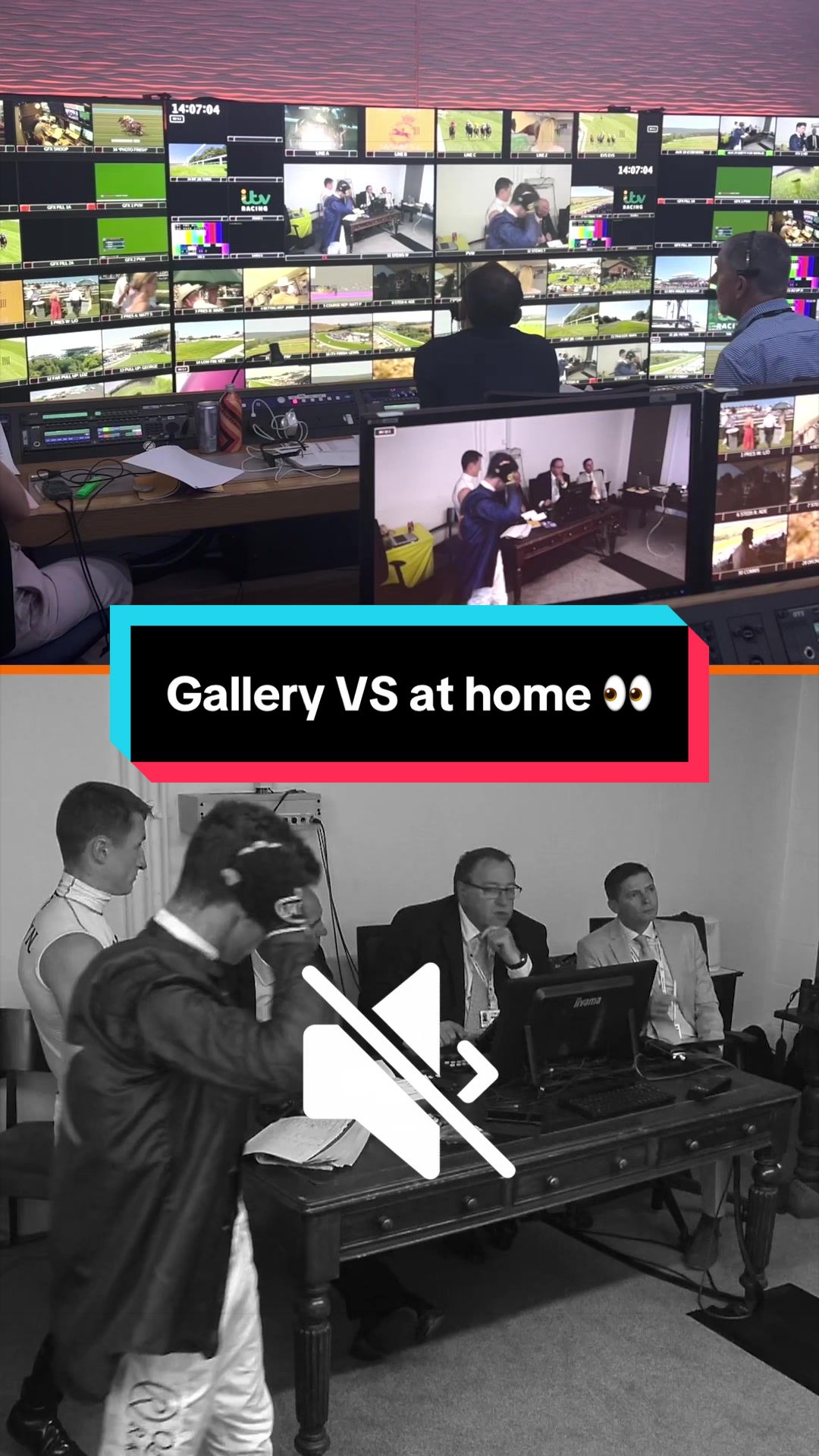
A different view to yesterday’s Stewards enquiry 👀
Perfectly explained by Francesca 🫶🏻

Keep an eye out for Adaay of Scarlett 👀
 Links
Links
 Contact
 App
App


