



Central cities & football hometowns: two models of Guangdong Super League development


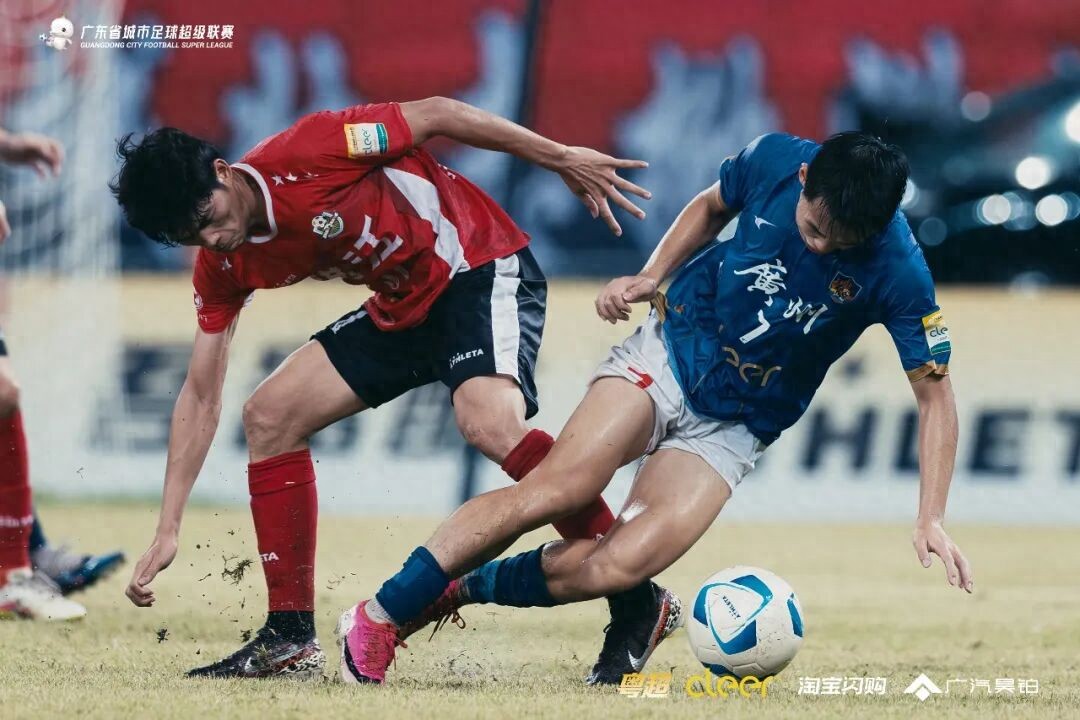
Reported by Wang Wei. The regular season of the 2026 Guangdong Province City Football Super League has concluded, with Guangzhou, Shenzhen, Meizhou, and Zhanjiang advancing directly to the top eight. The champion of this tournament is likely to emerge from these four teams. Their standout performance directly reflects the deep football foundation of Guangdong. Guangzhou, Shenzhen, and Meizhou are all national key football cities, while Meizhou and Zhanjiang are renowned football hometowns in southern Guangdong. Multiple different tracks intersect and collide, showcasing two distinct development models in Guangdong football: on one side, Guangzhou and Shenzhen, two mega-cities, relying on city resources to forge a development path with big-city football heritage; on the other side, Meizhou and Zhanjiang, rooted in football soil, relying on the genuine love of local people, following a people's football development route in football hometowns.
In the ongoing provincial games football events in Maoming, Guangdong, the teams achieving outstanding results, both men's and women's, mostly come from Guangzhou, Shenzhen, and Meizhou, confirming the depth and breadth of football talent reserves in these cities.

As two mega-cities in China, Guangzhou and Shenzhen are both national key football cities, with well-established youth training systems, diversified talent development channels, and a profound history of top-level professional football development. Abundant urban resources have built a vast reservoir of football talent for the teams. With their rich talent pool and appeal, both teams have become top contenders for the championship in the first Guangdong Super League.
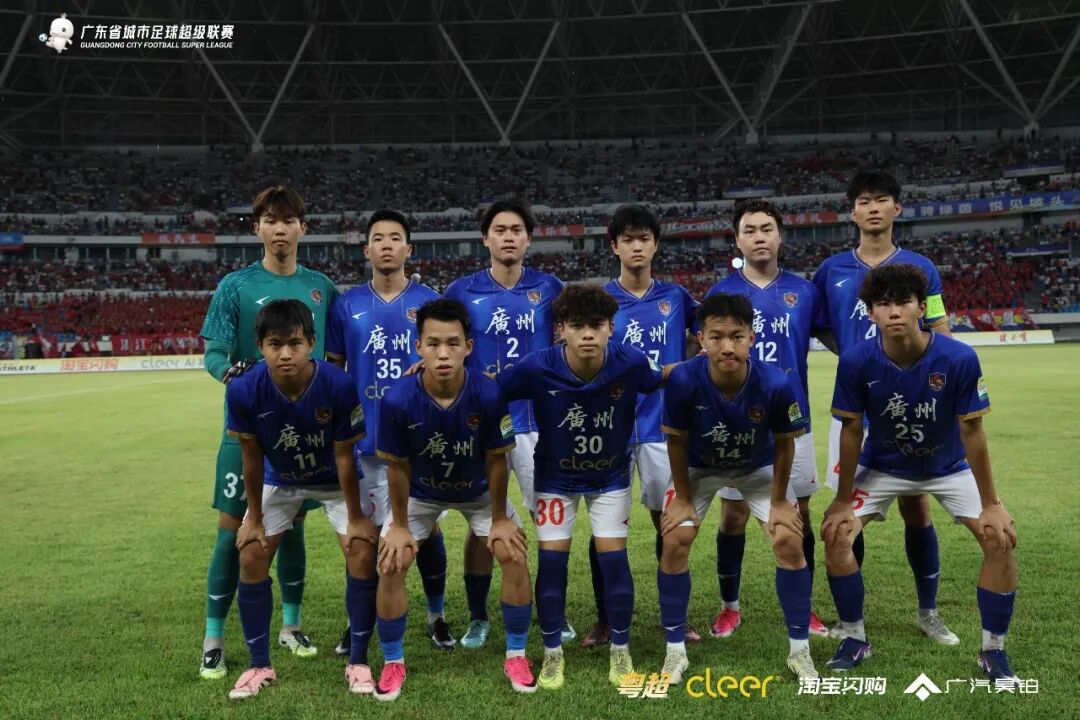
The Guangzhou team has a rich and layered squad composition, mainly built from some youth training players of Guangzhou Baobao, some players of the China League Guangzhou Zhicheng team, and social football talents. Li Qitao, captain of the Guangdong Super League Guangzhou team, shared his thoughts on the team's advancement to the top eight: "First, the reason our Guangzhou team directly advanced to the top eight is the talent reserve. Guangzhou team has both youthful vitality and experience and composure, able to adapt to different opponents and face different challenges. Moreover, the team's cohesion is very strong. In every training and every match, we are united and actively execute the coach's tactical arrangements before the match. With our never-give-up spirit, we have come this far."
The unique urban depth and football heritage have endowed Guangzhou players with generally outstanding height, strong physical confrontation, and ample stamina reserves. These physical conditions become a major advantage for the Guangzhou team on the field.
The Shenzhen team, also a representative of mega-cities, shows distinctive characteristics of player diversity and overall strong strength. The team follows the principles of localization and popularization in selection. The roster includes many local youth training youngsters as well as social football enthusiasts from various walks of life. This diverse personnel composition brings multiple technical styles, with a balanced and complete offensive and defensive system, rapid tactical transition, and strong resilience. Relying on the comprehensive football facilities, youth training, and coaching resources of the Shenzhen Football Youth Training Center, the Guangdong Super League Shenzhen team has sufficient bench depth, making it highly competitive in the high-intensity, multi-round finals. In terms of overall strength, the Shenzhen team is the strongest contender for the championship of the first Guangdong Super League. The two cities, Guangzhou and Shenzhen, based on their strong comprehensive urban strength, continuously explore and absorb football talents, with diversity and inclusiveness, forging a path of football development for national central cities.
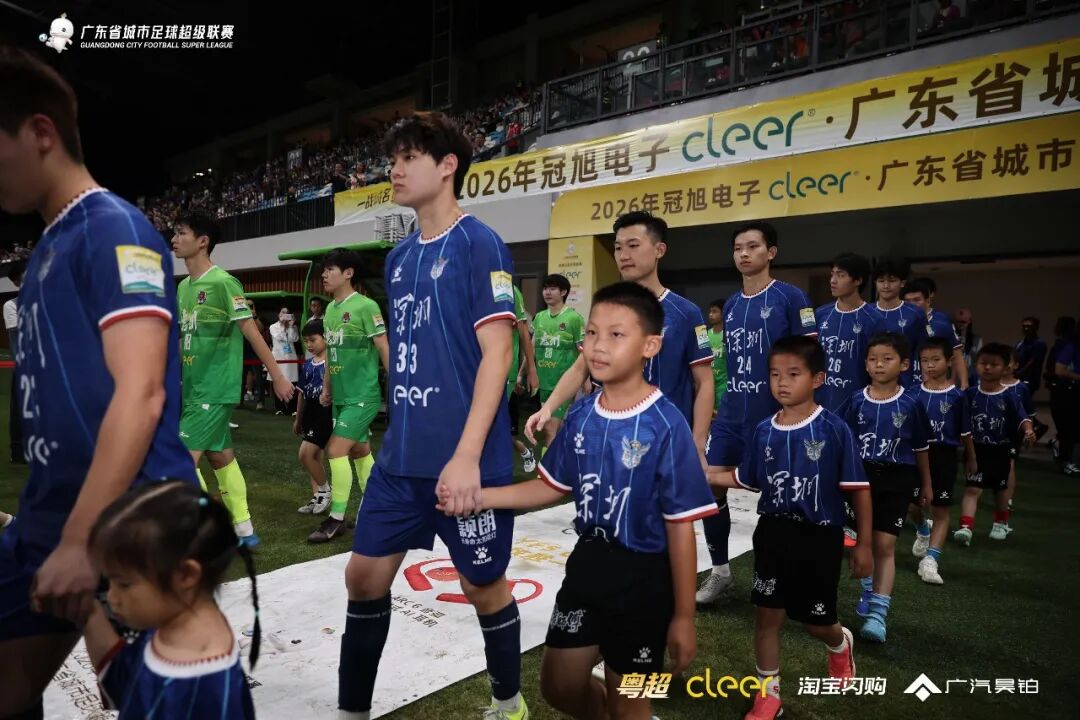

If Guangzhou and Shenzhen represent the development path of mega-city football, then Meizhou and Zhanjiang illustrate the depth of football hometowns rooted in the people. Football in these two cities flows through the daily lives of ordinary people. With government guidance, social participation, and universal love, the mass base is the strongest foundation for the two teams.
Because of the nationally renowned "Hometown of the Ball King", football has long been a part of life for Meizhou people. On August 6, He Xiaojun, Secretary of the Meizhou Municipal Party Committee, visited Wuhua County to investigate the development of the football industry. At the Hengpi Football Characteristic Town, he inspected the construction of youth training echelons and the integrated development of "sports + cultural tourism". He Xiaojun pointed out that Wuhua has a deep football heritage, a solid mass base, and rich experience in hosting events. He emphasized that football youth training should start from children,
deepen the integration of sports and education, continuously polish the golden sign of "Hometown of the Ball King", activate the integration of "sports + cultural tourism" and "football +", creatively carry out mass sports activities represented by football, attract people, expand consumption, promote the deep integration of agriculture, culture, tourism, sports, and commerce, and transform the football golden sign into a new growth point for the county economy.
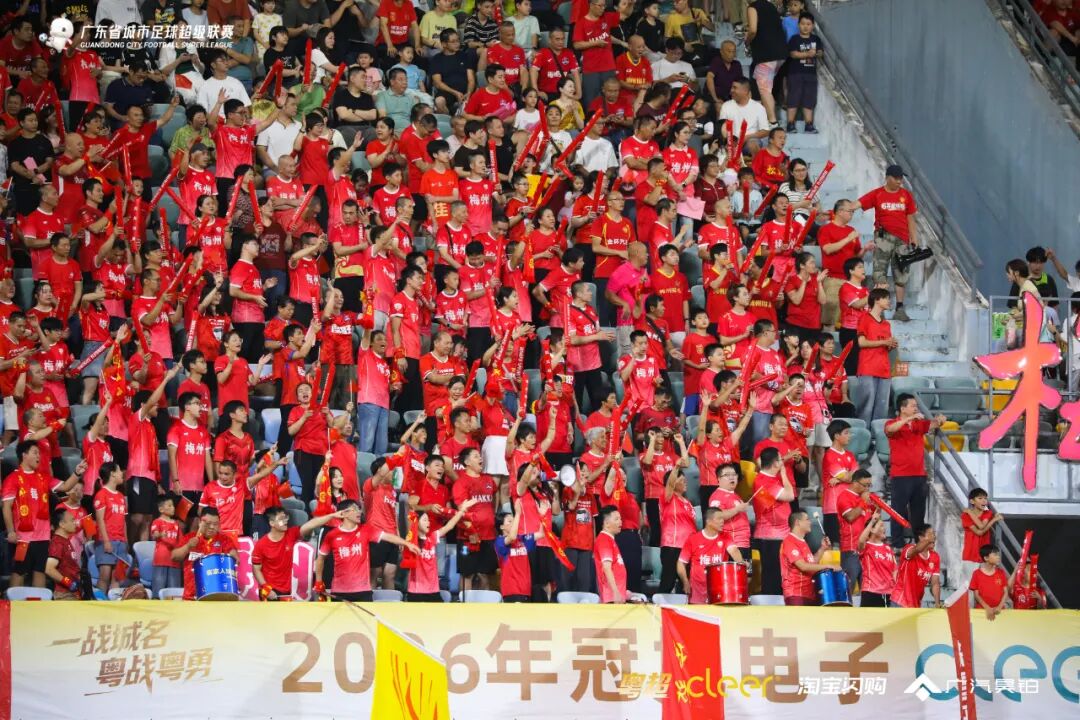
It can be said that in Meizhou, a good ecosystem has been formed where local party committees at all levels, governments, social enterprises, schools, and families jointly cultivate young football talents. Jiang Junxiang, deputy secretary-general of the Meizhou Football Association, said with emotion: "Whether it's an 80-year-old elderly or a kindergarten child, football is everywhere—in school, at home, in social activities, and even in Hakka pickled noodles and soup. Meizhou people are very proud when talking about football. Especially the Guangdong Super League has allowed Meizhou people to showcase their skills on the provincial football stage and also display their city's cultural tourism."
Chen Jiasheng, head coach of the Guangdong Super League Meizhou team, said: "Meizhou has sufficient local youth training talent reserves, and the team has a high degree of localization. The current Guangdong Super League Meizhou team is based on local youth training players, most of whom come from Meizhou's local youth training and Meizhou Hakka echelons. Many have experienced provincial competitions, the China League, and other levels of competition. The positions are well-staffed, and the age structure is young and energetic. A large number of local seedlings have trained and competed in the football hometown environment since childhood, with solid basic skills and familiarity with local coaches' tactical ideas. There is no need for extensive external recruitment; the local talent pool can directly support the formation of the city representative team. This is an advantage that many cities do not have."
On the other side, Zhanjiang City has produced many national team players. The current main left-back of the Chinese women's national football team, Chen Qiaozhu, is from Zhanjiang. The people of Zhanjiang love football very much. The average home attendance of the Zhanjiang team exceeds 30,000, making it the highest attendance venue in this Guangdong Super League. Lin Kangle, a player of the Guangdong Super League Zhanjiang team, explained the forces behind the team's direct advancement to the top eight as the first-place team in the West Division: "This year, as a member of the Zhanjiang team, I think there are three forces behind Zhanjiang's direct entry into the top eight. First is the government's support. We are an amateur team, and the local government of Zhanjiang has given great support in terms of venues, logistics, and travel arrangements, allowing players to focus on training and matches without worrying about off-field matters. Second is the fanaticism of the fans. Zhanjiang fans are really 'fierce'—they scream their throats hoarse at home games, and some even follow us to away games. Several times on the field, I heard Zhanjiang fans shouting my name in the Zhanjiang dialect. That feeling is like having an entire city behind you. This sense of being needed makes you run one more step and fight one more time. Third is the unity of the whole team. Everyone in our team is like family. This cohesion is our confidence when facing tough battles. Whether in good times or bad, we trust and support each other. So I think direct advancement is not luck; it's these three forces pushing us forward."
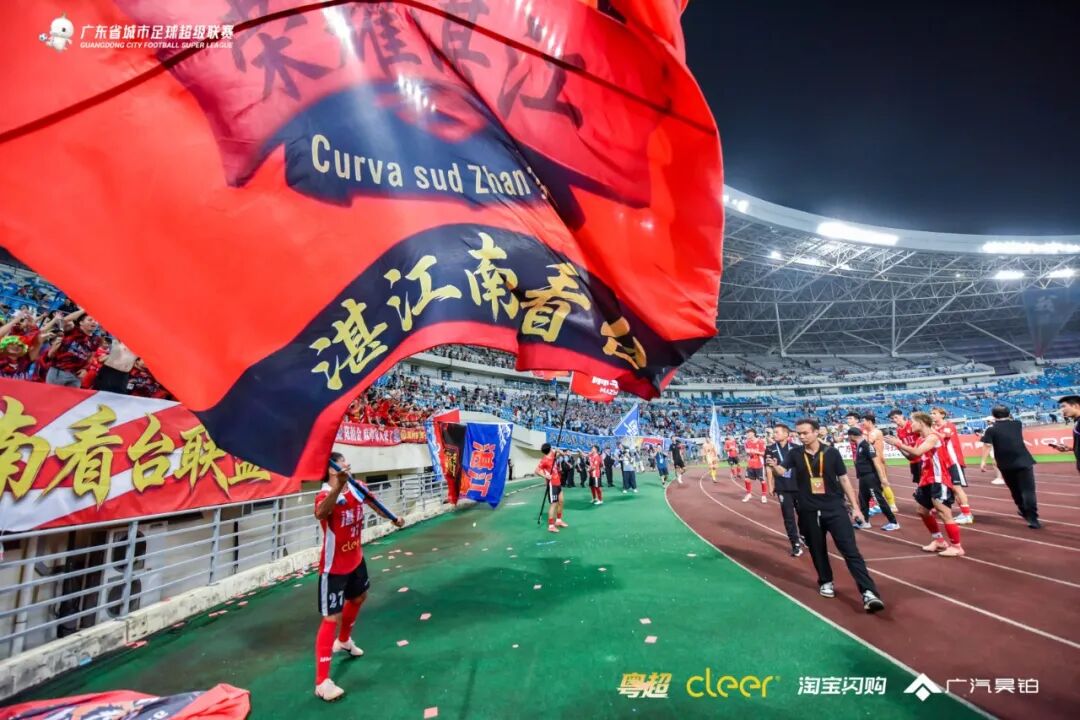
The passionate fan atmosphere is the brightest background of the Guangdong Super League Zhanjiang team's home games. A good example: during this season's Zhanjiang home matches, multiple rounds saw over 1,000 fans from Suixi County travel to Zhanjiang Olympic Sports Center to cheer for the team. Before the start of this year's Guangdong Super League, the Suixi Fan Alliance was established under the guidance of the Zhanjiang Football Association, the Propaganda Department of the Suixi County Party Committee, and the County Bureau of Culture, Radio, Television, Tourism, and Sports. With Yanggan Town in Suixi County as the core force, among the fans who came to cheer, more than 500 were from Yanggan Town alone.
Now Yanggan Town has held three consecutive sessions of "Village Super League", and football has been integrated into the local culture. In the eyes of Yuan Weiqiang, the mayor of Yanggan Town, Suixi County, Zhanjiang's best home atmosphere in the Guangdong Super League stems from the local people's heartfelt love for football. "Our Yanggan Town has produced more than 300 football industry talents. The flame of football has been passed down from generation to generation. I think this is the foundation of Zhanjiang football," Yuan Weiqiang said.
The regular season of the Guangdong Super League has ended. The four cities that directly advanced to the top eight represent two distinct models of urban football development. It is worth mentioning that in the Shenzhen and Guangzhou teams, many players grew up in Meizhou and Zhanjiang, and later moved to Shenzhen and Guangzhou for work, eventually being selected for the Shenzhen or Guangzhou teams. This flow of talent and cultural integration is being showcased through the Guangdong Super League stage.


Wonderfulshortvideo
vinicius junior transfer real madrid arsenal vini here we go arsenal news today real madrid news today ronaldo real madrid ronaldo edit



A sneak peak at yesterdays opener 👀
Think we might side with Francesca’s idea 😂

The highs & lows of racing 🐎
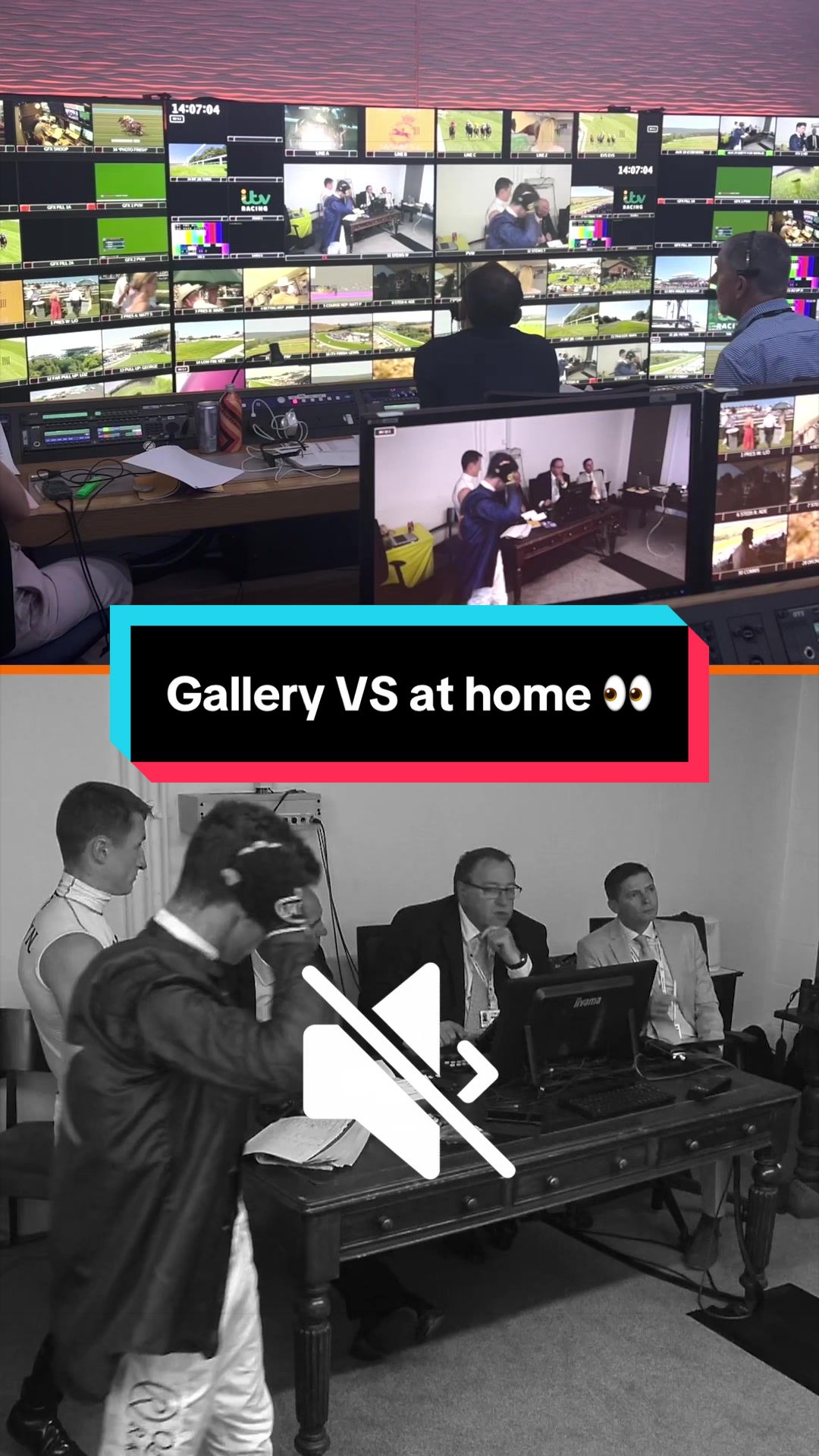
A different view to yesterday’s Stewards enquiry 👀

Perfectly explained by Francesca 🫶🏻

Keep an eye out for Adaay of Scarlett 👀
 Links
Links
 Contact
 App
App


