



From a slow walk to a complete stop, what has happened to Rongcheng?


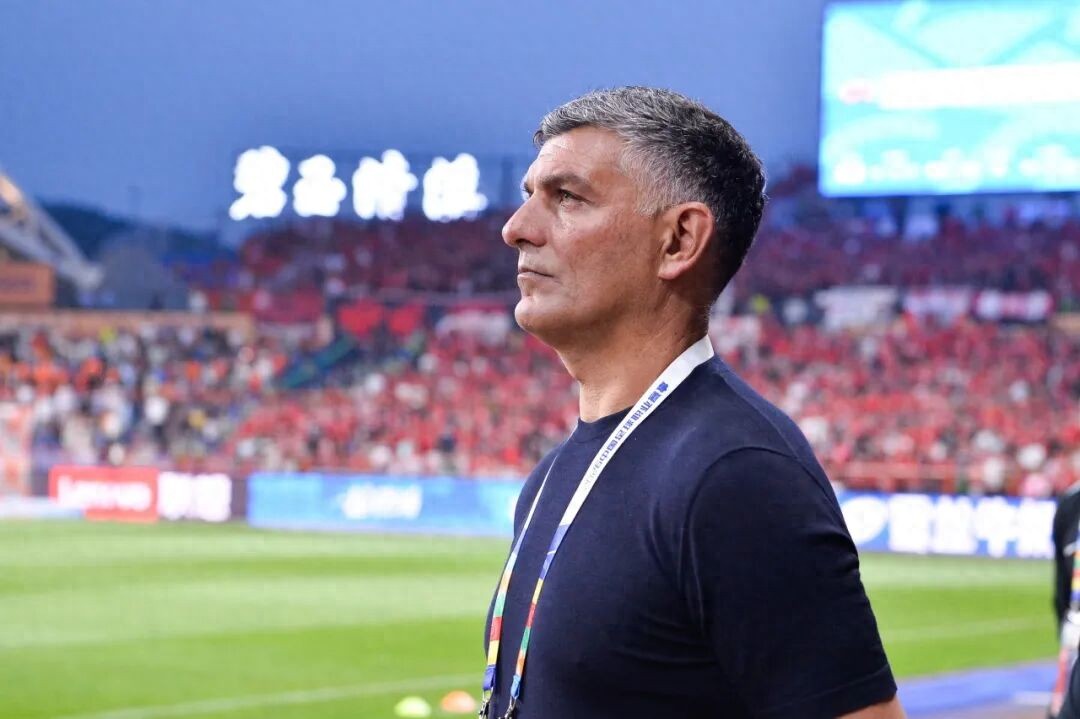
Reported by Lu Mi The 22nd round of the CSL saw Chengdu Rongcheng take on Yunnan Yukun away from home, their third meeting of the season. Earlier, in the FA Cup at the same ground, Rongcheng drew with Yukun in regular time before losing on penalties, while in April's league fixture at home, they won 2-1. In this latest clash, Rongcheng gained no advantage and instead conceded from a corner kick, losing 1-0.
Since July, Rongcheng has entered a slump. Starting from the match against Qingdao Hainiu to the home game against Wuhan Three Towns, the team recorded five consecutive league draws. The once fast-paced Rongcheng became erratic, but at least they managed to pick up points one by one—until the away league match against Yukun, where they "broke downward" from the draw streak, losing outright and failing to earn a single point, reducing their lead. Adding the FA Cup exit, Rongcheng has suffered a seven-match winless streak across both competitions, plunging into a difficult period.

This league match against Yunnan Yukun was seen as the best chance for Rongcheng to shake off their slump and climb back up, especially since Yukun had just lost 3-2 away to Tianjin Jinmen Tiger after being overturned, putting pressure on coach Jordi and the entire squad, with internal tensions simmering. For this game, John Aloisi fielded a full-strength lineup with all foreign players available, hoping to win away and end their winless run while also avenging their FA Cup elimination.
Yunnan Yukun does not adopt a "park the bus" approach like other lower-tier teams. As is well known, Yukun's defense is shaky—they have conceded the most goals in the CSL. In the match against Rongcheng, Jordi did not make many adjustments to the backline, sticking to an active offside trap. Rongcheng tried to play offside, but with little success. Facing Yukun's front-line pressing and high-intensity pressure, Rongcheng looked very uncomfortable, especially in midfield, where they lost possession too often and allowed opponents to create danger through transitions, exposing the most unstable link in their current tactical system.
The midfield foreign signing Usa, brought in this season to replace former captain Zhou Dingyang and shoulder more defensive duties, has not lived up to expectations. Plagued by long-term injuries, Usa has made only 12 league starts this season, leaving two domestic midfielders to handle the transition between attack and defense for most of the time. In John Aloisi's roughly 4-2-4 system, the two domestic midfielders appear thin. Yang Mingyang has been fighting hard, but continuous play has drained his energy, sometimes causing him to lag behind the pace. The lack of midfield solidity and the inability to control the tempo after taking the lead have been evident in multiple matches—for instance, in the FA Cup clash with Yukun, even after leading 2-0, they were still pegged back.
Previously, midfield was the core strength of Chengdu Rongcheng in the CSL, relying on steady progression and aggressive pressing to dominate the game. However, after Romulo was pushed to a more right-sided position, he has struggled to adapt, finding it hard to deliver his trademark "surgical" passes against opponents' packed central defenses. John Aloisi has tried adjustments, including benching Romulo, but that introduced another problem: without Romulo, the midfield control became even weaker.

"We had many chances but didn't capitalize on them. If we had, we would have scored. In the second half, we didn't give them any particular good opportunities, but their long-range shots in the first half were quite threatening. We need to prevent goals and then score more ourselves," said John Aloisi after the match against Yukun.
John Aloisi has clearly recognized the issues in attack. In the game against Yukun, Chengdu Rongcheng did have opportunities to equalize or even take the lead—Romulo had a close-range chance, and in the dying moments, Baihelamu had a great header, but both were missed. During the later stages of Xu Zhengyuan's tenure, the team had already shown some of these problems, leading the league in both chances created and big chances missed. This season, with changes in tactics and formation, the issue has been magnified, and the number of chances created has decreased.
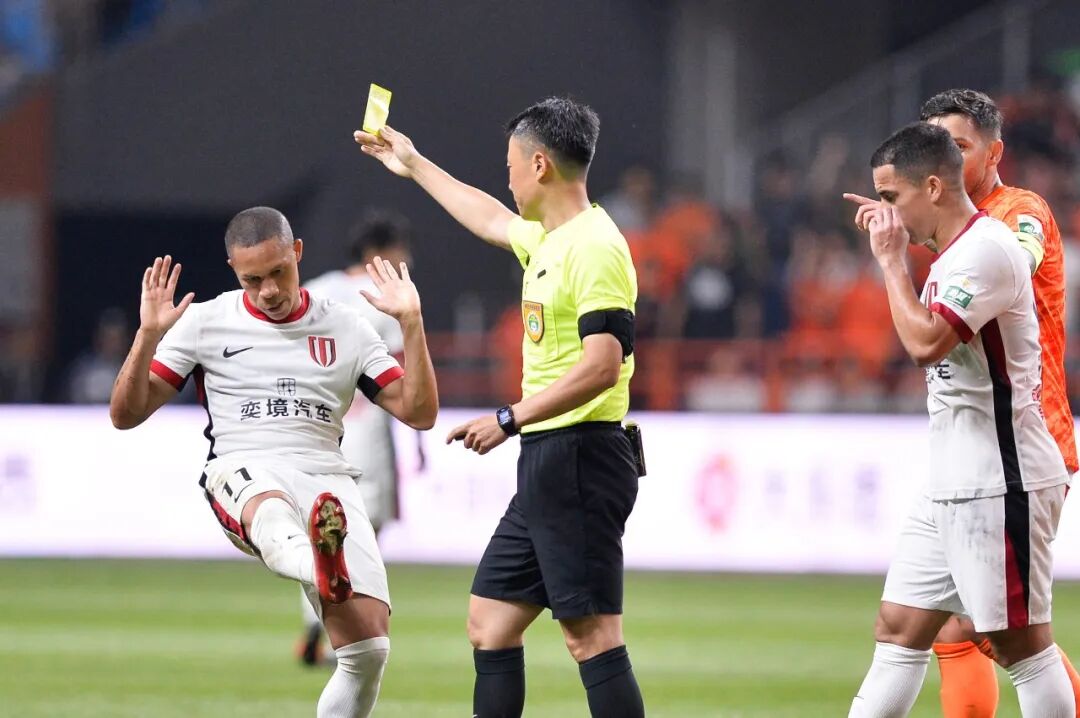
Looking closely at the seven-match winless streak across both competitions, four of those games ended in 1-1 draws, with a significant drop in average goals per game—a rare occurrence for Rongcheng in previous seasons. The team's long-held best attacking record in the league also slipped to second place after this loss.
In the first half of the season, Rongcheng balanced attack and defense with multiple scoring threats. But as the season progressed, opponents gradually figured out Rongcheng's tactical patterns, applying more targeted defense and focusing on limiting the team's foreign forward players, which led to blocked breakthroughs on the flanks and ineffective penetration through the middle. John Aloisi may need to incorporate more tactical variations into daily training.
Moreover, after enduring a winless July, Rongcheng seems to have lost some of the composure and resilience they displayed at the start of the season. Both the head coach and the players need to quickly adjust their mindset and form.


Wonderfulshortvideo
vinicius junior transfer real madrid arsenal vini here we go arsenal news today real madrid news today ronaldo real madrid ronaldo edit



A sneak peak at yesterdays opener 👀

Think we might side with Francesca’s idea 😂
The highs & lows of racing 🐎
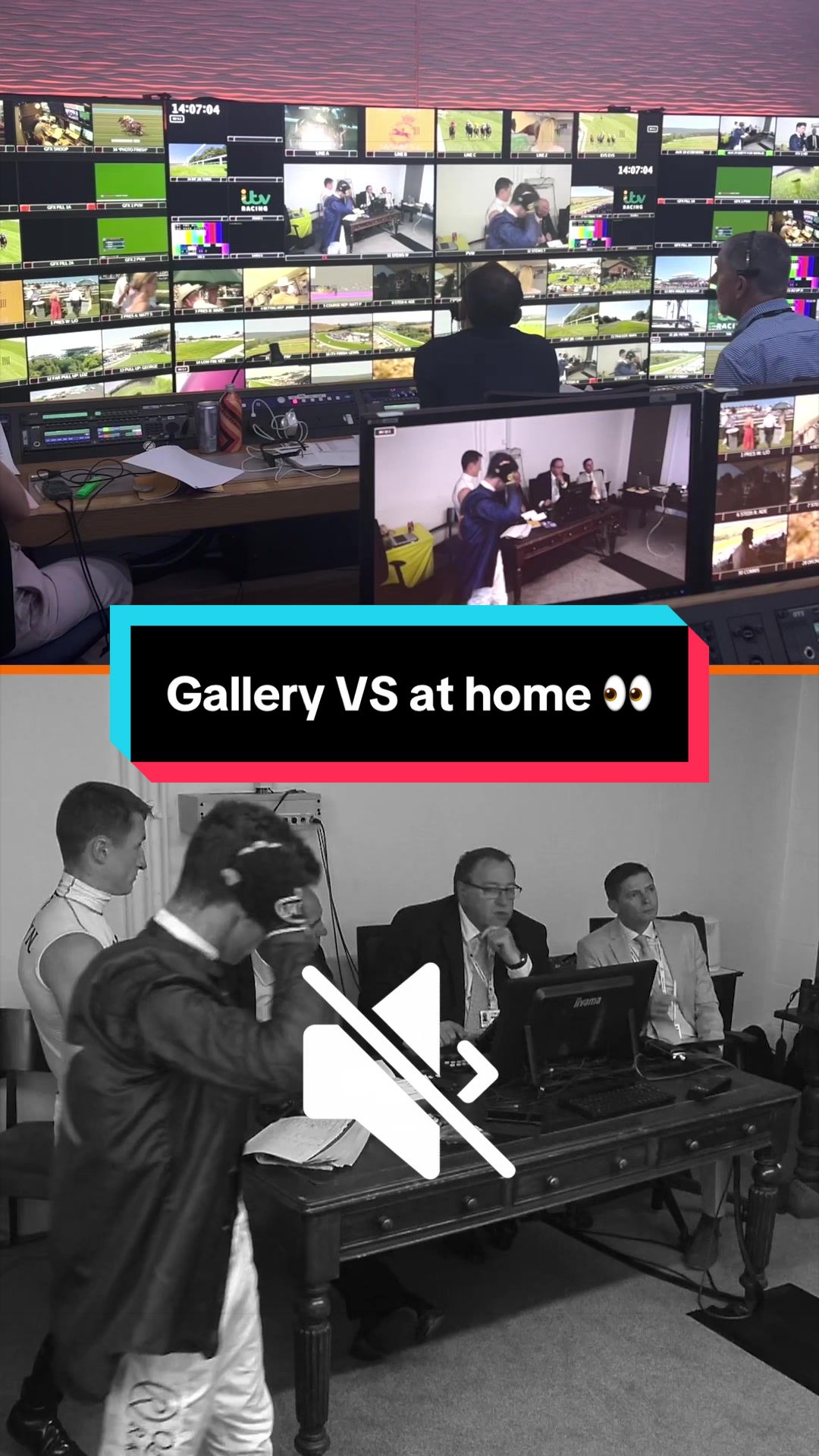
A different view to yesterday’s Stewards enquiry 👀

Perfectly explained by Francesca 🫶🏻

Keep an eye out for Adaay of Scarlett 👀
 Links
Links
 Contact
 App
App


