



Unforgettable Commemoration: A Red Education Journey in Zhidan


Editor's Note
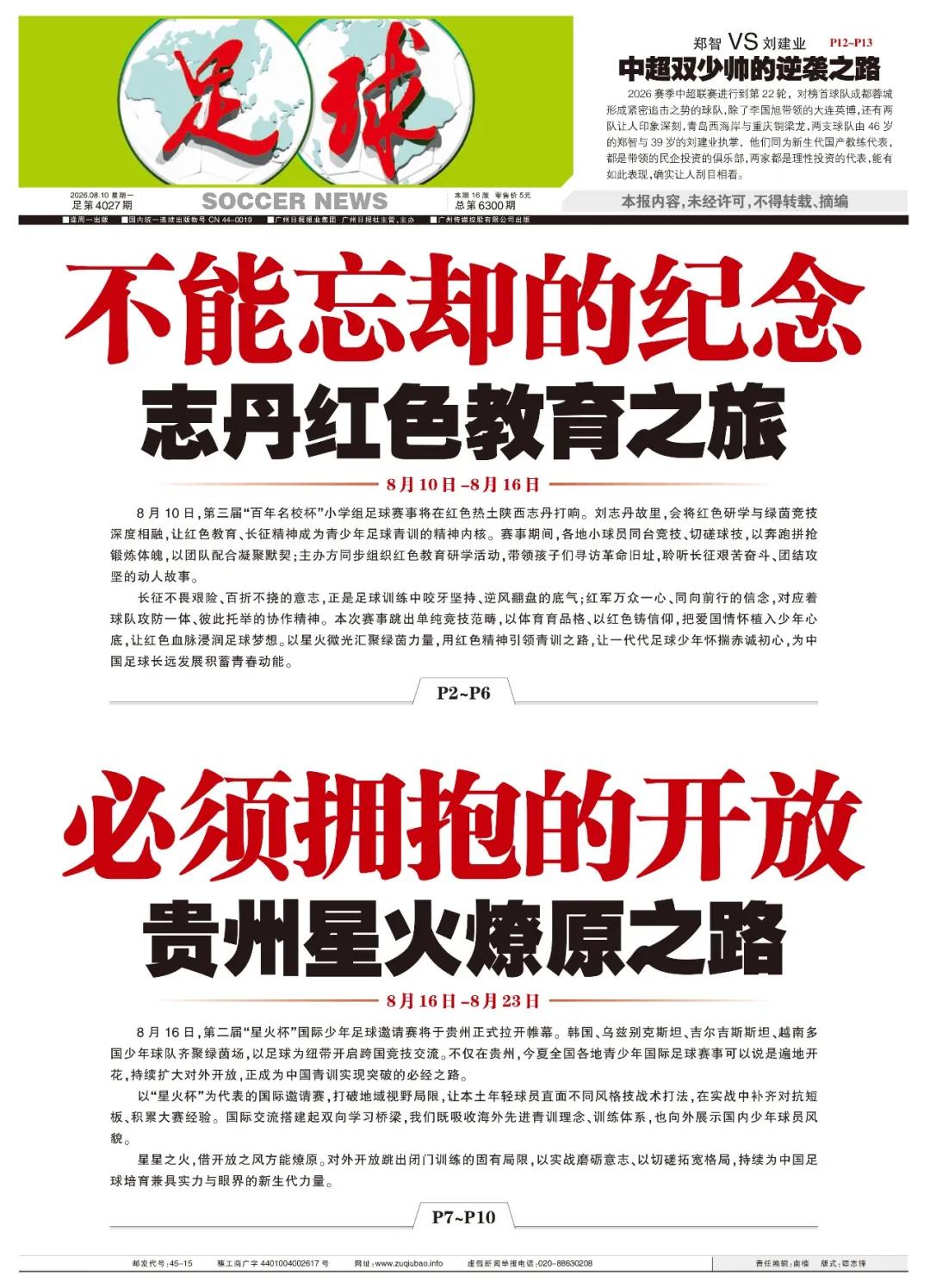
On August 10, the third "Century Famous School Cup" primary school football tournament will kick off on the red soil of Zhidan, Shaanxi. In the hometown of Liu Zhidan, red study tours and green field competition are deeply integrated, making red education and the spirit of the Long March the spiritual core of youth football training. During the event, young players from various regions will compete on the field, honing their physiques through running and tackling, and building teamwork through coordination. The organizers will also arrange red education study activities, guiding children to visit revolutionary sites and listen to moving stories of the Long March's hardships and unity.
The indomitable will of the Long March, which overcomes dangers and never gives up, is precisely the backbone needed in football training to persevere and turn the tide. The belief of the Red Army in unity and advancing together corresponds to the collaborative spirit of a team working as one in attack and defense. This tournament goes beyond pure competition, using sports to cultivate character and red heritage to build faith, embedding patriotism in young hearts and allowing the red bloodline to nourish football dreams. By gathering sparks of light to fuel green field strength and guiding the path of youth training with red spirit, generations of young football players will carry a sincere heart, accumulating youthful energy for the long-term development of Chinese football.

The path to revitalizing Chinese football relies on a support system of high-level youth football, professional football, social football, and national teams, as well as high-quality talent development, training systems, competition systems, and governance structures. Beyond organizational leadership, institutional mechanisms, and various support systems, this foundation also requires rectifying practices, disciplining conduct, improving sportsmanship, and ultimately rebuilding football culture and spirit.
On August 10, a group of young football players will travel from Yan'an to Zhidan to learn about Yan'an's revolutionary history, experience the hardships of their predecessors, and understand why this place became a beacon for passionate youth. Then they will participate in the "Century Famous School Cup" primary school tournament in Zhidan, the red revolutionary capital, the hometown of the general, and the city of youth football. This is a red journey to revisit unforgettable memories, and also a football journey to experience the persistence of football in the mountains and pursue dreams on the field. When these two paths converge, we realize that the construction of Chinese football culture and the reshaping of its spirit must not forget the red memories and red spirit, even as time passes and material conditions improve.
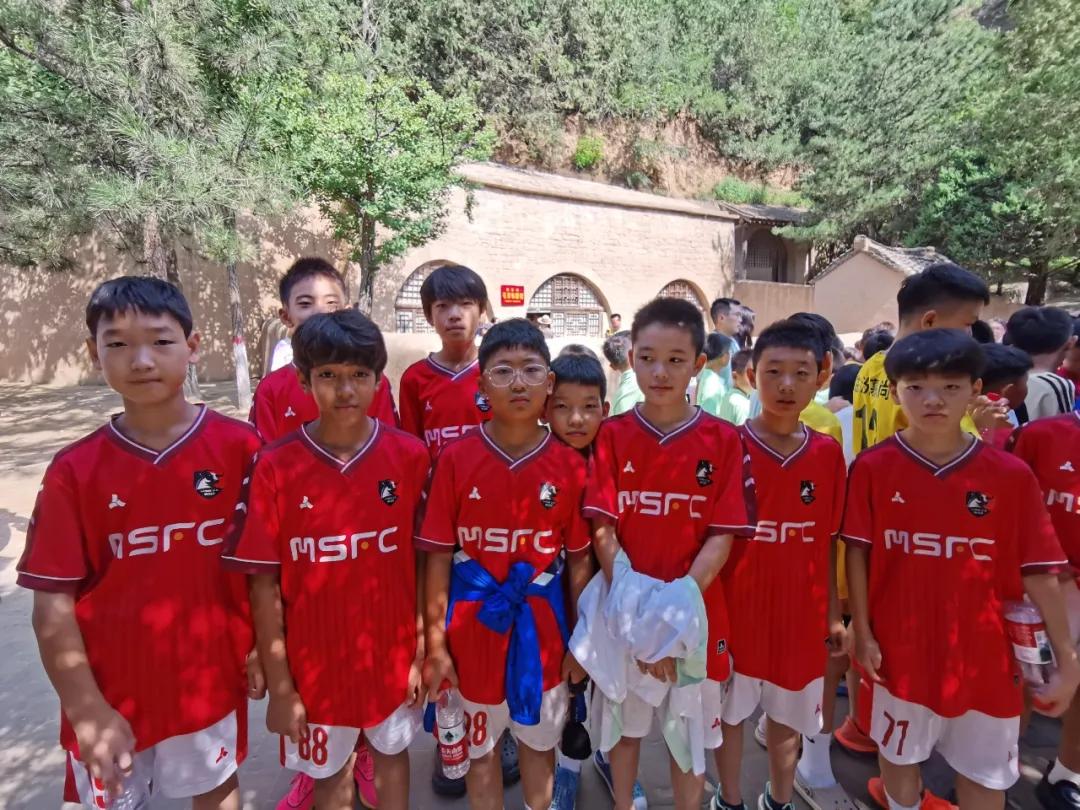
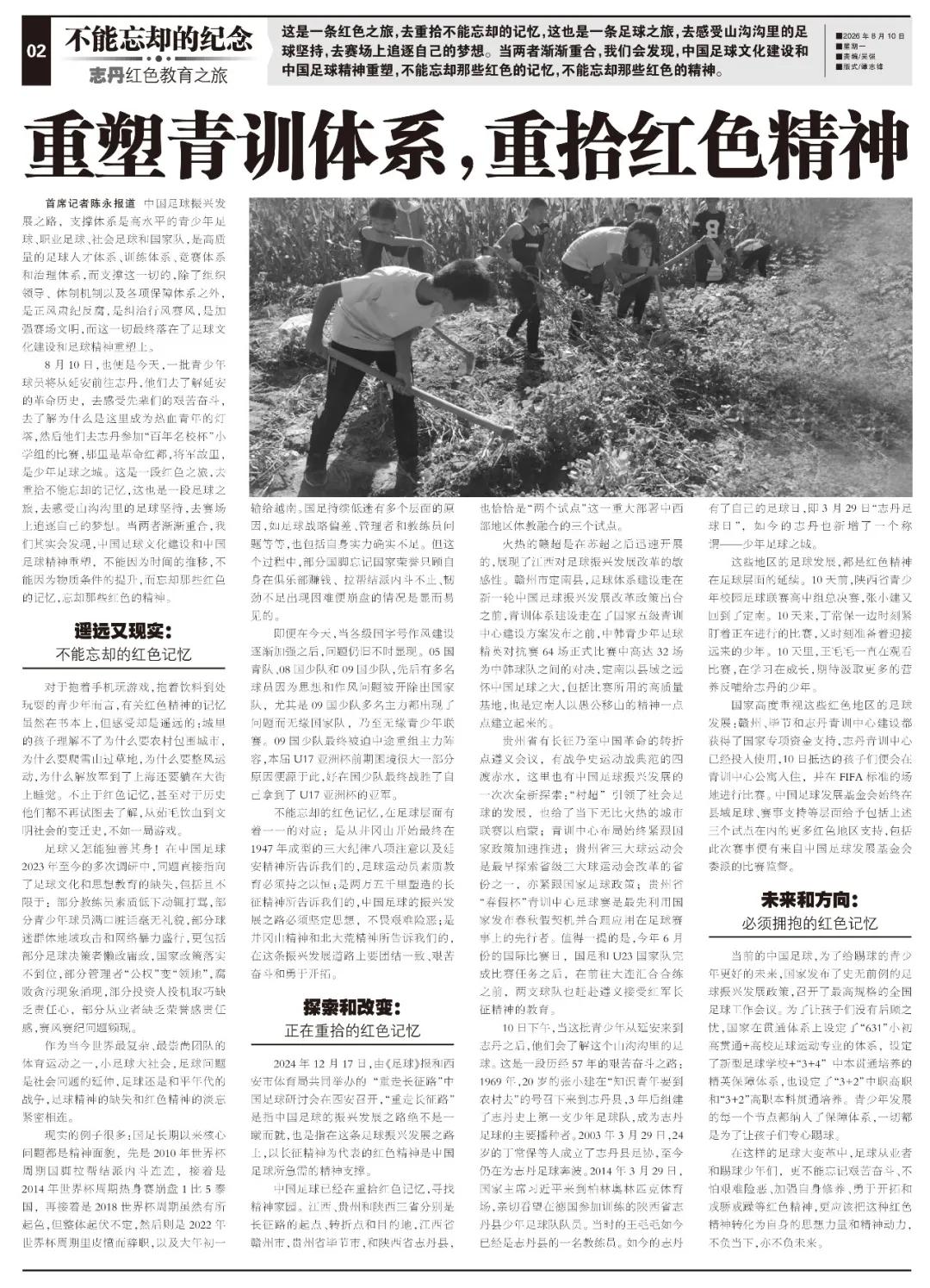
▲ Players of the Century Famous School Cup study at the Yan'an Revolutionary Site

For teenagers who spend their time playing mobile games and drinking drinks while playing outside, the memory of red spirit may exist in textbooks, but the feeling is distant: children in cities cannot understand why we need to surround cities from the countryside, climb snow-capped mountains and cross grasslands, carry out rectification movements, or why the People's Liberation Army slept on the streets when they arrived in Shanghai. Not only red memories, but even history itself they no longer try to understand. The transition from primitive life to civilized society is less interesting than a game.
How can football be immune? In multiple surveys of Chinese football from 2023 to the present, issues directly point to the lack of football culture and ideological education, including but not limited to: some coaches having low quality and often scolding, some young players using foul language and lacking manners, some fan groups engaging in regional attacks and online bullying, and even some football decision-makers being lazy and ineffective, failing to implement national policies, some managers turning "public power" into "private territory," corruption and embezzlement, some investors being speculative and lacking responsibility, some practitioners lacking a sense of honor and responsibility, and frequent problems with match discipline and sportsmanship.
As one of the most complex and team-oriented sports in the world, football reflects society. Football is also a war in peacetime, and the lack of football spirit is closely linked to the fading of red spirit.
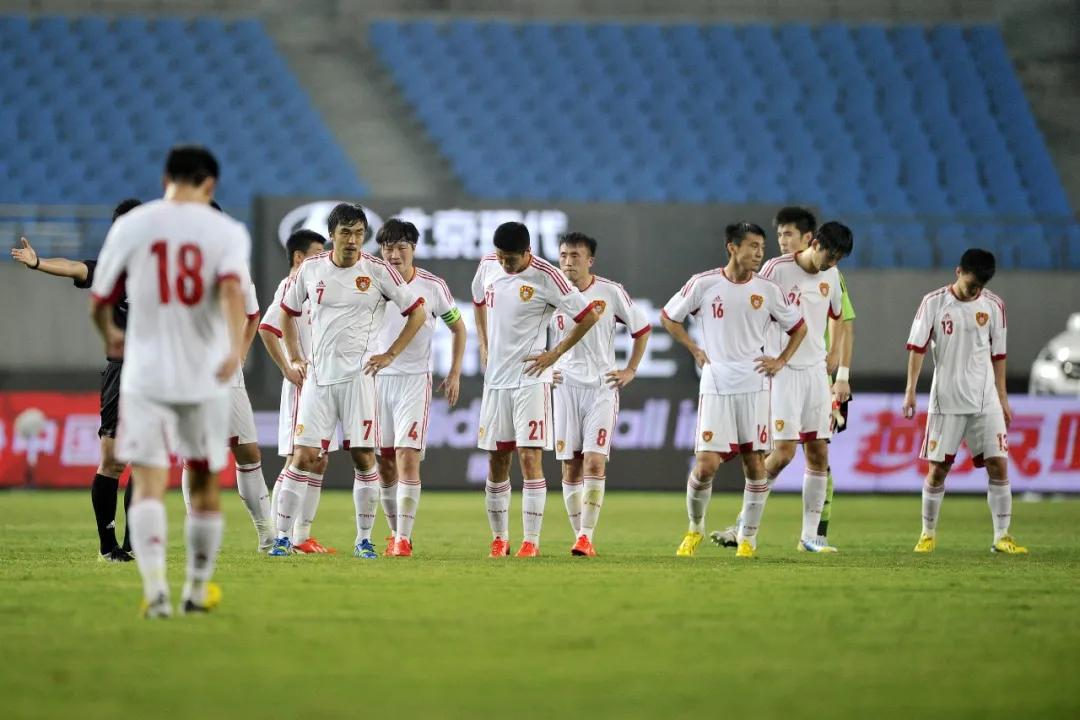
▲ In 2013, the national team suffered a defeat in Hefei
Examples abound. The core problem of the Chinese national team has long been mental attitude. During the 2010 World Cup cycle, there was infighting among players. In the 2014 cycle, the team collapsed in a warm-up match, losing 1-5 to Thailand. The 2018 cycle saw some improvement but overall inconsistency. Then came the 2022 cycle, with Lippi's resignation and a loss to Vietnam on the first day of the Chinese New Year. There are multiple reasons for the national team's prolonged slump, including strategic mistakes, issues with managers and coaches, and insufficient strength. However, it is evident that some players forgot national honor, focused only on club earnings, engaged in factionalism, lacked resilience, and collapsed when facing difficulties.
Even today, with the gradual strengthening of style and discipline in national youth teams, problems still appear. The 2005 national youth team, 2008 national junior team, and 2009 national junior team have all had players expelled for ideological and disciplinary issues. In particular, the 2009 national junior team lost several key players due to such problems, missing the national team and even youth leagues. The team was forced to reorganize its starting lineup mid-stream, and the difficulties in the U17 Asian Cup were largely due to this. Fortunately, the team overcame itself and won the runner-up position in the U17 Asian Cup.
Unforgettable red memories have corresponding meanings in football: from the Jinggangshan period to the formation of the Three Main Rules of Discipline and the Eight Points for Attention, and the Yan'an spirit, we learn that the quality education of football players must be persistent. The Long March of 25,000 li tells us that the path of revitalizing Chinese football must be firm in ideology, not fearing difficulties. The Jinggangshan spirit and the Beidahuang spirit teach us to unite, work hard, and be bold in pioneering on this road of revitalization.
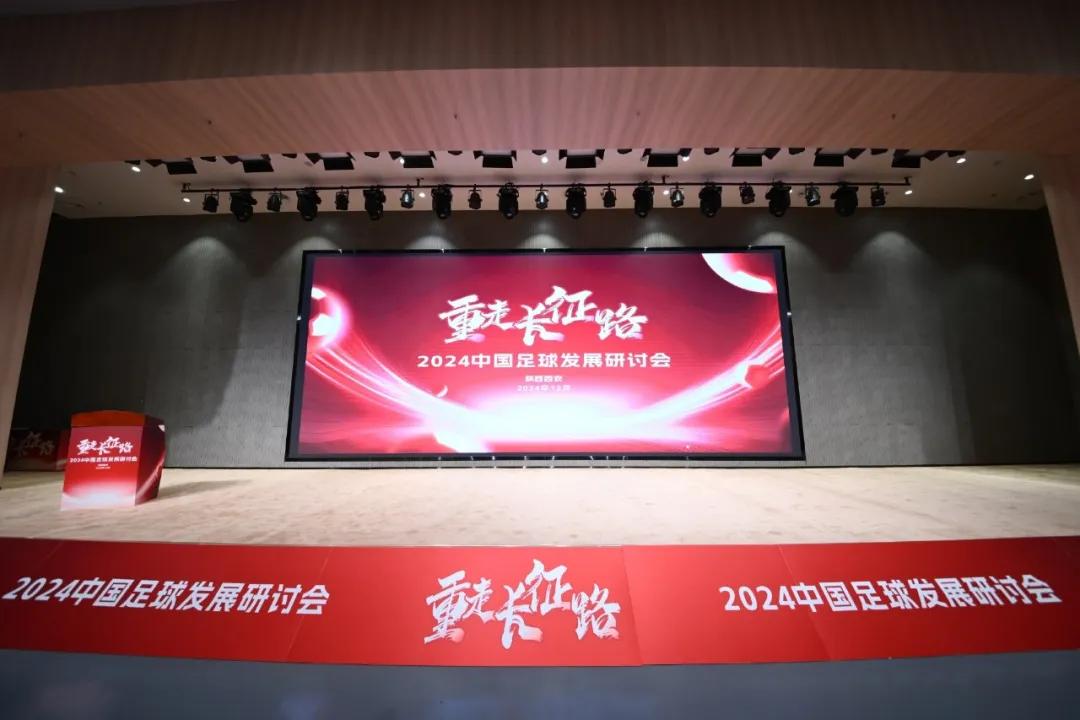
▲ The "Retracing the Long March – 2024 China Football Development Seminar" co-organized by our newspaper and the Xi'an Sports Bureau

On December 17, 2024, the "Retracing the Long March" China Football Seminar, co-organized by Football News and the Xi'an Sports Bureau, was held in Xi'an. "Retracing the Long March" means that the path of revitalizing Chinese football is not achieved overnight, and also that the red spirit represented by the Long March spirit is the spiritual support urgently needed by Chinese football on this revitalization journey.
Chinese football is already rediscovering red memories and seeking a spiritual home. Jiangxi, Guizhou, and Shaanxi are respectively the starting point, turning point, and destination of the Long March. Ganzhou City in Jiangxi, Bijie City in Guizhou, and Zhidan County in Shaanxi are precisely the three pilot areas for the integration of sports and education in the central and western regions under the "two pilot projects" major deployment.
The fiery Jiangxi Super League, launched shortly after the English Super League, demonstrates Jiangxi's sensitivity to football revitalization reform. In Dingnan County, Ganzhou, the football system was built before the new round of Chinese football revitalization policies were issued. The youth training system was established before the national five-level youth training center plan was released. In the 64 official matches of the China-Korea Youth Football Elite Competition, 32 were direct confrontations between Chinese and Korean teams. Dingnan, a remote county, shows great ambition for Chinese football. Even the high-quality base used for the matches was built by the people of Dingnan with the spirit of the Foolish Old Man removing mountains.
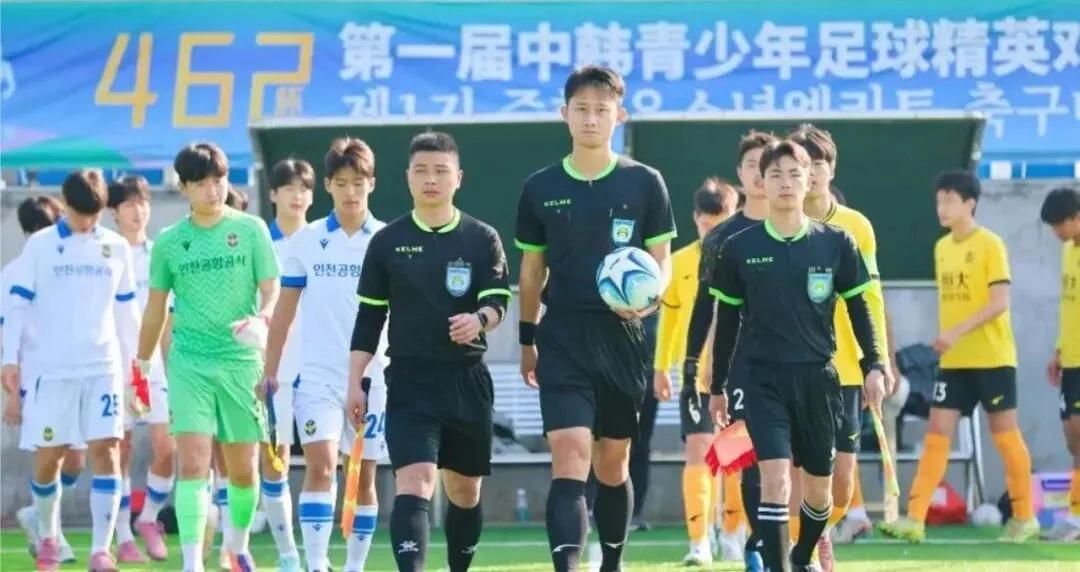
▲ The first China-Korea Youth Football Elite Competition co-organized by our newspaper and the Dingnan County People's Government
Guizhou Province has the Zunyi Conference, the turning point of the Long March and even the Chinese Revolution, and the Four Crossings of the Chishui River, a classic example of mobile warfare. It also has new explorations for Chinese football revitalization: "Village Super League" has led the development of social football and inspired the current booming city leagues. Youth training center layout always follows national policies. Guizhou was one of the first provinces to reform the three major sports games at the provincial level, closely following national football policies. The Guizhou "Spring Break Cup" Youth Training Center Football Tournament was a pioneer in using the national spring and autumn vacation opportunity reasonably for football events. Notably, in June this year, during the international match window, after the national team and U23 national team completed their matches, before heading to Dalian for joint training, both teams also went to Zunyi to receive education on the Red Army's Long March spirit.
On the afternoon of the 10th, when these young people arrive in Zhidan from Yan'an, they will learn about football in this mountainous area. This is a 57-year journey of hard struggle: In 1969, 20-year-old Zhang Xiaojian came to Zhidan under the call "educated youth go to the countryside." Three years later, he formed the first youth football team in Zhidan's history, becoming the main sower of football in the area. On March 29, 2003, 24-year-old Ding Changbao and others established the Zhidan County Football Association, which still works tirelessly for Zhidan football. On March 29, 2014, President Xi Jinping visited the Berlin Olympic Stadium and kindly met with the young football players from Zhidan County, Shaanxi, who were training in Germany. Wang Maomao, then a player, is now a coach in Zhidan. Today, Zhidan has its own football day, March 29, "Zhidan Football Day," and has gained a new title: "City of Youth Football."
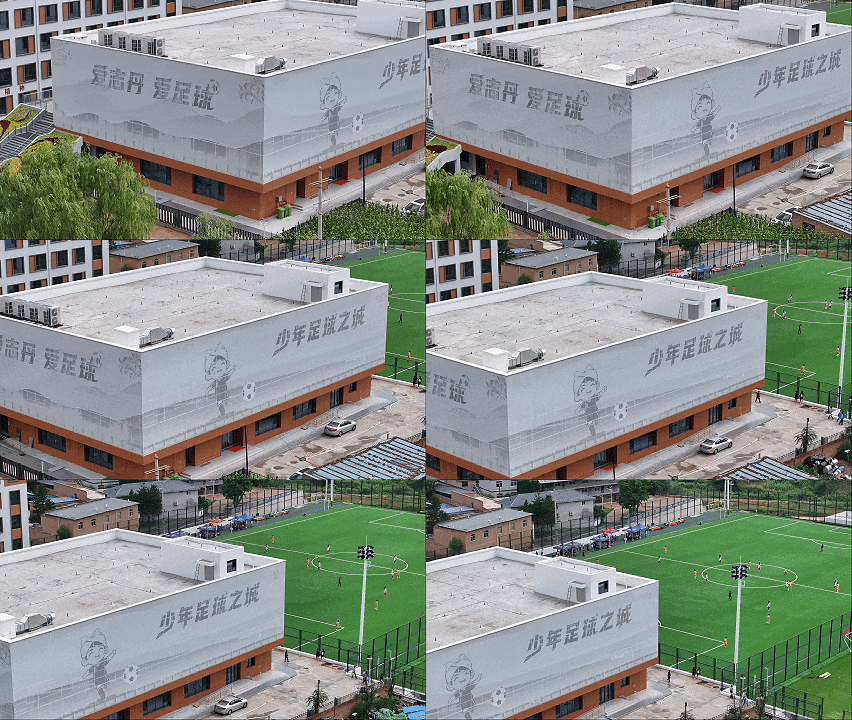
▲ Zhidan County Football Youth Training Center (via Zhidan Media Yang Shikai)
The development of football in these regions is a continuation of red spirit on the football field. Ten days ago, Zhang Xiaojian returned to Dingnan for the Shaanxi Provincial Youth School Football League high school finals. Over the past ten days, Ding Changbao has been closely monitoring the ongoing matches while preparing to welcome the young visitors. Over the past ten days, Wang Maomao has been watching games, learning and growing, hoping to gain more knowledge to pass on to the youth of Zhidan.
The state attaches great importance to football development in these red areas: the youth training centers in Ganzhou, Bijie, and Zhidan have all received special state funding. The Zhidan youth training center is already in use, and the children arriving on the 10th will stay in the center's apartments and play on FIFA-standard fields. The China Football Development Foundation has always supported county-level football and events in these red areas, including sending match supervisors for this tournament.
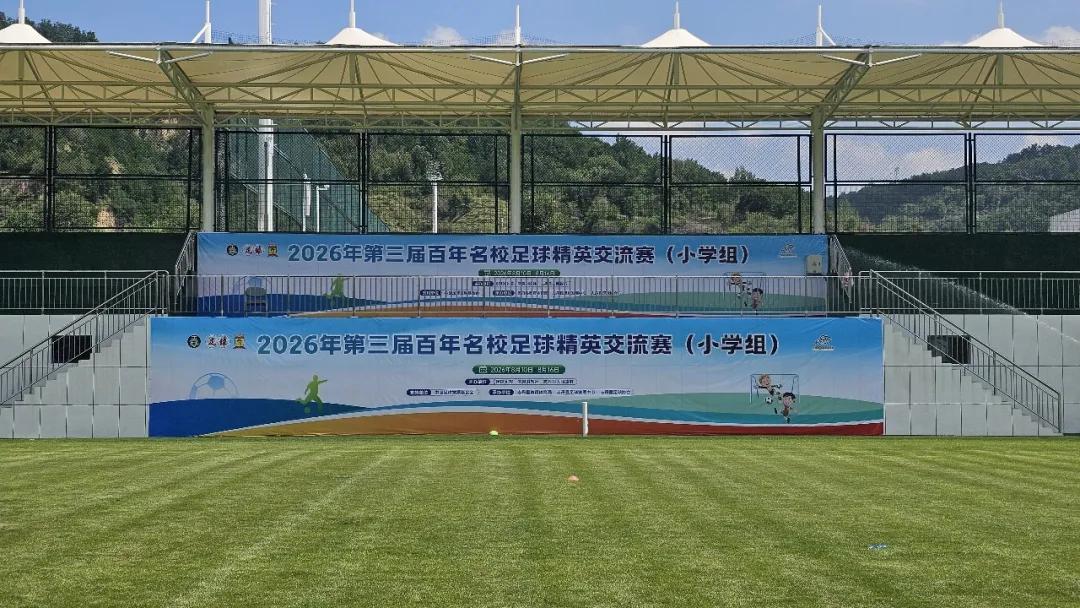
▲ The third Century Famous School Cup primary school tournament will open in Zhidan

In current Chinese football, to give young players a better future, the state has issued unprecedented football revitalization policies and held the highest-level national football work conference. To ensure children have no worries, the state has established a "631" primary, junior, and high school pathway plus university football major system, a new football school plus "3+4" secondary-to-undergraduate continuous training elite support system, and "3+2" secondary vocational to higher vocational and "3+2" higher vocational to undergraduate continuous training. Every node of youth development is included in the support system, all to let children focus on playing football.
In this major football transformation, football practitioners and young players must not forget the red spirit of hard struggle, fearlessness of difficulties, self-improvement, bold pioneering, and avoiding arrogance and impatience. They should transform this red spirit into their own ideological strength and spiritual motivation, living up to the present and the future.


Wonderfulshortvideo
vinicius junior transfer real madrid arsenal vini here we go arsenal news today real madrid news today ronaldo real madrid ronaldo edit



A sneak peak at yesterdays opener 👀

Think we might side with Francesca’s idea 😂

The highs & lows of racing 🐎

A different view to yesterday’s Stewards enquiry 👀

Perfectly explained by Francesca 🫶🏻

Keep an eye out for Adaay of Scarlett 👀
 Links
Links
 Contact
 App
App


