



An immersive Red experience! The third edition of the Century-Old Elite Schools Cup (Primary School Division) lands in Zhidan



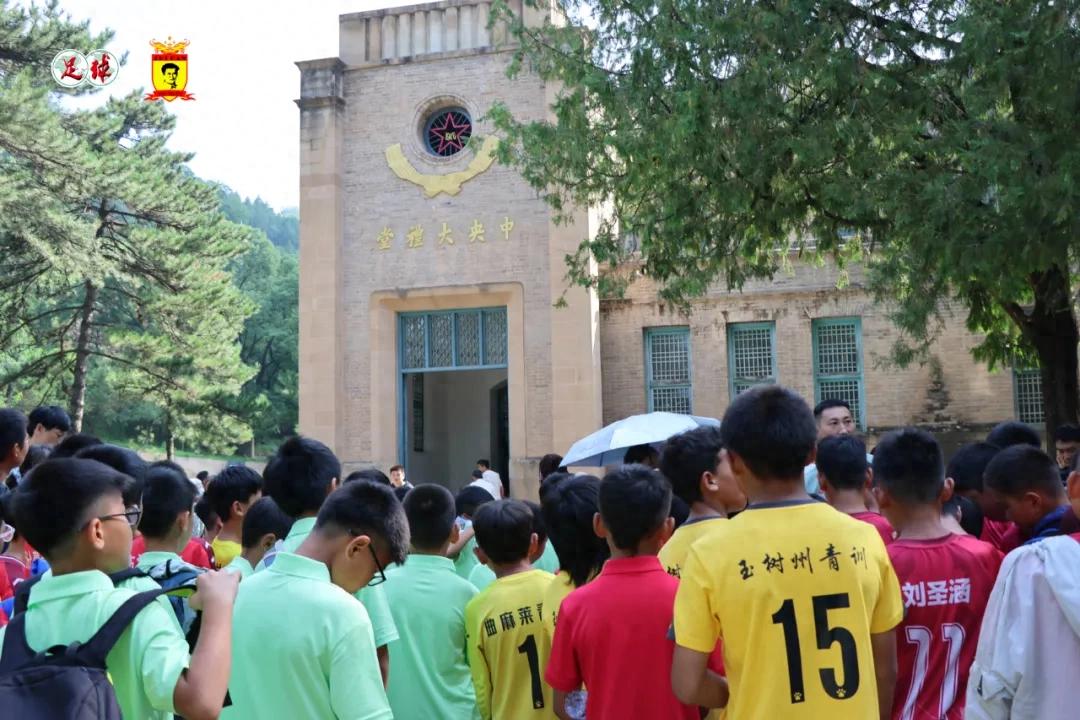
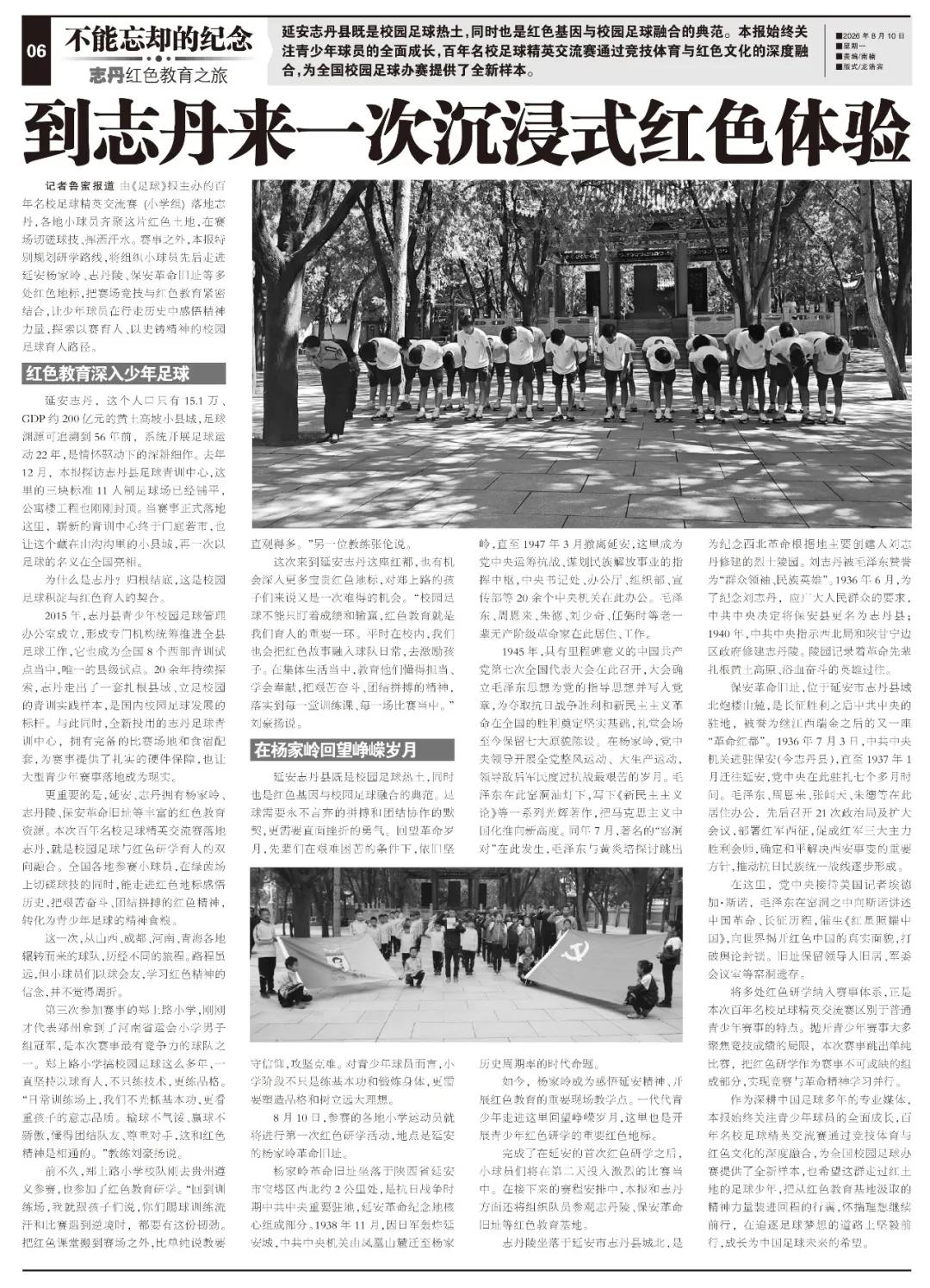
Reporter Lu Mi reports Hosted by Soccer News, the Century-Old Elite Schools Football Exchange Tournament (Primary School Division) has settled in Zhidan. Young players from across the country gathered on this revolutionary land to compete and sweat on the field. Beyond the matches, the newspaper has specially planned a study tour route, guiding young players to visit red landmarks such as Yangjialing in Yan’an, Zhidan Mausoleum, and Bao’an Revolutionary Site. This combines on-field competition with red education, allowing young athletes to feel the spirit of history while walking through it, exploring a path for campus football that uses competition to educate and history to inspire character.

Yan’an Zhidan, a small county on the Loess Plateau with a population of only 151,000 and a GDP of about 20 billion yuan, has a football history dating back 56 years, with systematic football development spanning 22 years — a deep, passion-driven effort. Last December, our newspaper visited Zhidan County’s youth football training center. The three standard 11-a-side football fields there were already leveled, and the apartment building had just been topped out. When the tournament officially landed here, the brand-new training center finally bustled with activity, once again putting this small county hidden in the ravines on the national stage under the name of football.
Why Zhidan? Ultimately, it’s the alignment of campus football accumulation and red education in nurturing people.
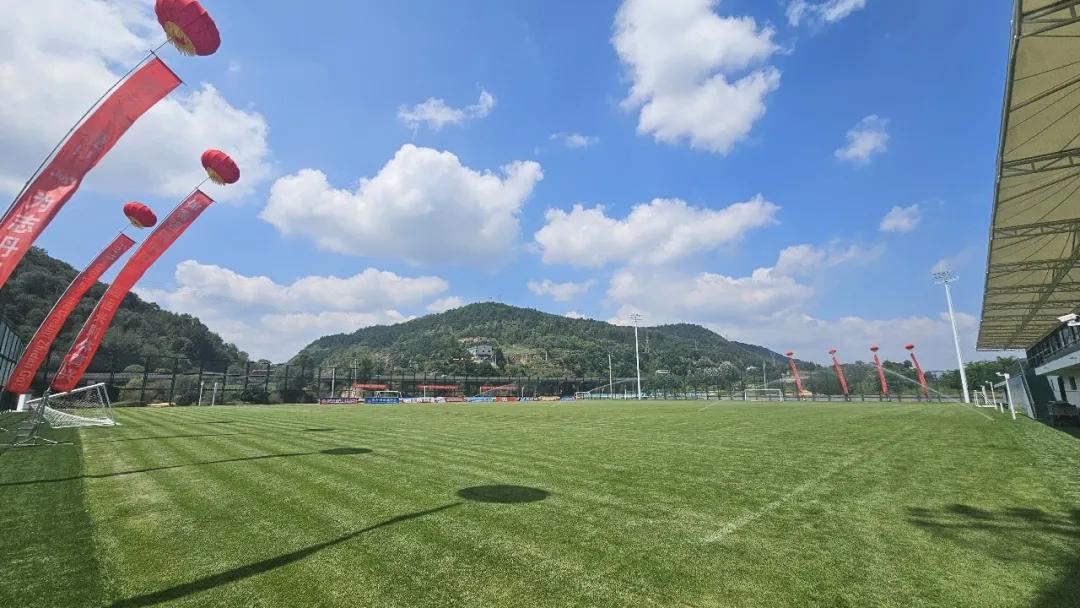
In 2015, Zhidan County’s Youth Campus Football Management Office was established, forming a specialized body to coordinate football work across the county, and it became the only county-level pilot among the eight western youth training pilots. Over more than 20 years of continuous exploration, Zhidan has developed a practical model for youth training rooted in the county and based on campus, making it a benchmark for campus football development in China. Meanwhile, the newly opened Zhidan Football Youth Training Center boasts complete competition venues and accommodation facilities, providing solid hardware support for the tournament and making large-scale youth events feasible.
More importantly, Yan’an and Zhidan boast rich red educational resources such as Yangjialing, Zhidan Mausoleum, and Bao’an Revolutionary Site. The landing of this Century-Old Elite Schools Football Exchange Tournament in Zhidan represents a two-way integration of campus football and red study tour education. Young players from across the country, while honing their skills on the green field, can visit red landmarks to feel history, turning the red spirit of hard struggle, unity, and hard work into spiritual nourishment for youth football.
This time, teams from Shanxi, Chengdu, Henan, Qinghai, and other places traveled different distances. Despite the long journeys, the young players exchanged skills through football and learned the red spirit without feeling the hardship.
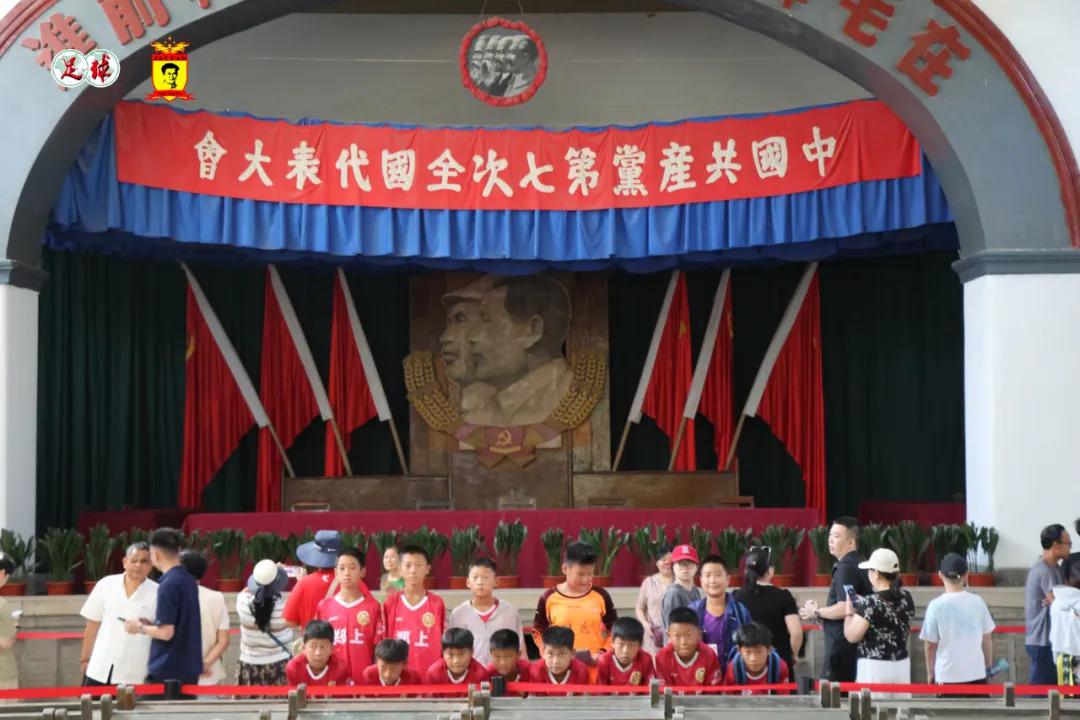
▲ Zhengshang Road Primary School football team photo at the site of the Seventh National Congress of the CPC
Participating in the tournament for the third time, Zhengshang Road Primary School had just won the Henan Provincial Games primary school boys’ group championship for Zhengzhou, making it one of the most competitive teams in this event. Zhengshang Road has been promoting campus football for many years, always adhering to the principle of educating through football — not just training skills but also building character. “On the training ground, we not only focus on basic skills but also place great emphasis on the children’s willpower and quality. Not being discouraged by losses, not being proud of victories, knowing how to unite with teammates and respect opponents — this is in line with the red spirit,” said coach Liu Haoyang.
Not long ago, the Zhengshang Road Primary School team went to Zunyi, Guizhou to compete and also participated in red education study tours. “Back on the training ground, I told the kids that when you sweat during training or face setbacks in matches, you need this kind of tenacity. Moving the red classroom outside the competition field is much more intuitive than simply lecturing,” said another coach, Zhang Lun.
Coming to this red capital of Yan’an Zhidan this time also offers a chance to delve deeper into many precious red landmarks, which is a rare opportunity for the Zhengshang Road children. “Campus football cannot only focus on results and wins and losses; red education is an important part of our character development. At school, we also incorporate red stories into the team’s daily routine to inspire the children. In collective life, we teach them to take responsibility, learn to contribute, and implement the spirit of hard struggle, unity, and hard work in every training session and every match,” said Liu Haoyang.
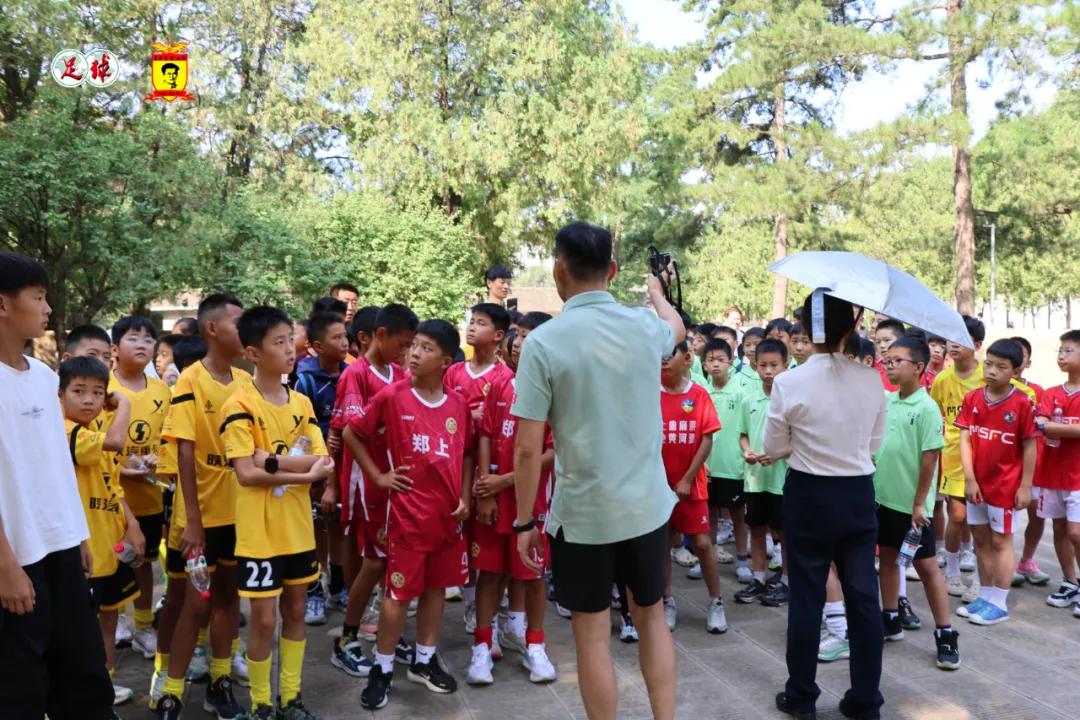
▲ Century-Old Elite Schools Cup players at the Yangjialing Revolutionary Site study tour

Yan’an Zhidan County is not only a hotbed for campus football but also a model for integrating red genes with campus football. Football requires never-give-up struggle, teamwork, and the courage to face setbacks. Looking back at the revolutionary years, the pioneers held onto their faith and overcame difficulties under harsh conditions. For young players, the primary school stage is not just about practicing basic skills and physical fitness, but also about shaping character and setting lofty ideals.
On August 10, primary school athletes from all over the country will embark on their first red study tour, visiting the Yangjialing Revolutionary Site in Yan’an.
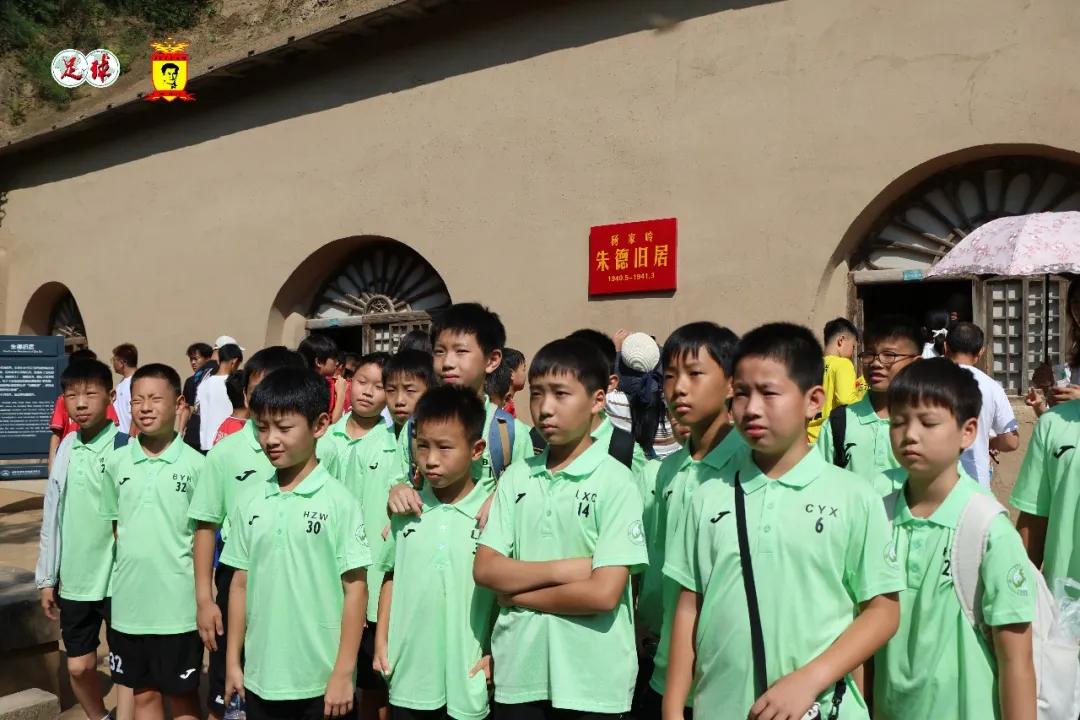
The Yangjialing Revolutionary Site is located about 2 kilometers northwest of Baota District, Yan’an City, Shaanxi Province. It was an important CPC Central Committee base during the Anti-Japanese War and a core part of the Yan’an Revolutionary Memorial sites. In November 1938, due to Japanese bombing of Yan’an city, the CPC Central Committee moved from Fenghuangshan to Yangjialing, and until the evacuation of Yan’an in March 1947, this place served as the command center for the Party’s planning of the Anti-Japanese War and national liberation. The Central Secretariat, General Office, Organization Department, Propaganda Department, and more than 20 central organs worked here. Mao Zedong, Zhou Enlai, Zhu De, Liu Shaoqi, and Ren Bishi lived and worked here.
In 1945, the landmark Seventh National Congress of the Communist Party of China was held here, establishing Mao Zedong Thought as the Party’s guiding ideology and writing it into the Party Constitution, laying a solid foundation for winning the Anti-Japanese War and the nationwide victory of the New Democratic Revolution. The auditorium still retains the original layout of the Seventh Congress. At Yangjialing, the Party Central Committee led the rectification movement and the Great Production Movement, guiding the people behind enemy lines through the toughest years of the war. Under the oil lamp in his cave dwelling, Mao Zedong wrote a series of brilliant works such as “On New Democracy,” pushing the sinicization of Marxism to a new height. In July 1945, the famous “Cave dwelling dialogue” took place here, where Mao Zedong and Huang Yanpei discussed the historical cycle of rise and fall.
Today, Yangjialing has become an important on-site teaching point for understanding the Yan’an spirit and conducting red education. Generations of young people come here to look back on the glorious years, making it a key red landmark for youth red study tours.
After completing the first red study tour in Yan’an, the young players will dive into intense matches the next day. In the following schedule, our newspaper and Zhidan side will also organize the players to visit red education bases such as Zhidan Mausoleum and Bao’an Revolutionary Site.
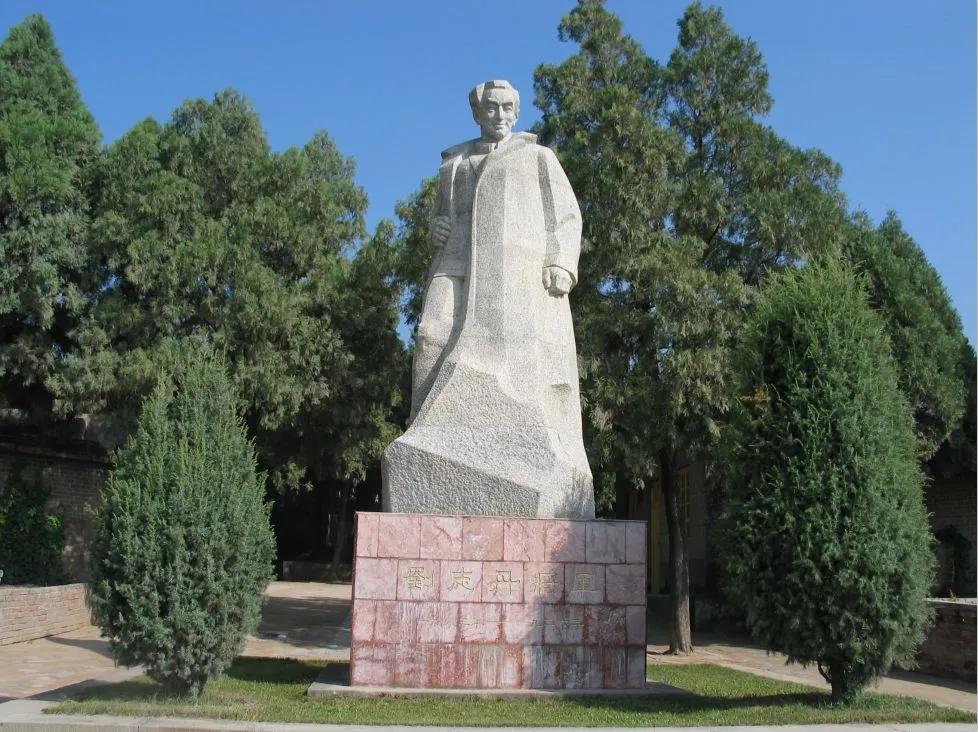
▲ Portrait of Liu Zhidan
Zhidan Mausoleum is located in the north of Zhidan County, Yan’an City. It is a martyr cemetery built in memory of Liu Zhidan, the main founder of the Northwest Revolutionary Base. Liu Zhidan was praised by Mao Zedong as a “leader of the masses, hero of the nation.” In June 1936, to commemorate Liu Zhidan, the CPC Central Committee decided to rename Bao’an County to Zhidan County at the request of the masses. In 1940, the Central Committee instructed the Northwest Bureau and the Shaanxi-Gansu-Ningxia Border Region government to build the Zhidan Mausoleum. The cemetery records the heroic past of the revolutionary pioneers taking root on the Loess Plateau and fighting with blood and sweat.
Bao’an Revolutionary Site, located at the foot of Paolou Mountain in the north of Zhidan County, Yan’an City, was the residence of the CPC Central Committee after the Long March victory, known as another “Red Capital” after Ruijin in Jiangxi. On July 3, 1936, the CPC Central Committee moved into Bao’an (now Zhidan County) and stayed until January 1937, when it moved to Yan’an. The Party Central Committee was stationed here for more than seven months. Mao Zedong, Zhou Enlai, Zhang Wentian, Zhu De, and others lived and worked here, holding 21 Politburo meetings and expanded meetings, deploying the Red Army’s Western Expedition, facilitating the victorious rendezvous of the three main Red Army forces, determining the important policy of peacefully resolving the Xi’an Incident, and gradually promoting the formation of the Anti-Japanese National United Front.

▲ First edition cover of “Red Star Over China”
Here, the Party Central Committee received the American journalist Edgar Snow. Mao Zedong, in his cave dwelling, told Snow about the Chinese revolution and the Long March, giving birth to “Red Star Over China,” which revealed the true face of Red China to the world and broke through the information blockade. The site preserves the former residences of leaders, the Military Commission meeting room, and other cave dwelling relics.
Incorporating multiple red study tours into the tournament system is what distinguishes this Century-Old Elite Schools Football Exchange Tournament from ordinary youth events. Setting aside the limitation of most youth tournaments focusing solely on competitive results, this event goes beyond pure competition, making red study tours an indispensable part of the tournament, achieving a parallel between competition and revolutionary spirit learning.
As a professional media outlet deeply engaged in Chinese football for many years, our newspaper has always been concerned with the comprehensive development of young players. The Century-Old Elite Schools Football Exchange Tournament, through the deep integration of competitive sports and red culture, provides a new model for campus football events nationwide. We also hope that these football youngsters who have walked the red land will pack the spiritual strength drawn from the red education bases into their return bags, continue their journey with ideals, persevere on the road to pursuing football dreams, and grow into the future hope of Chinese football.


Wonderfulshortvideo

vinicius junior transfer real madrid arsenal vini here we go arsenal news today real madrid news today ronaldo real madrid ronaldo edit



A sneak peak at yesterdays opener 👀

Think we might side with Francesca’s idea 😂

The highs & lows of racing 🐎

A different view to yesterday’s Stewards enquiry 👀

Perfectly explained by Francesca 🫶🏻

Keep an eye out for Adaay of Scarlett 👀
 Links
Links
 Contact
 App
App


