



Assessment of the Philippines National Team at the 2026 FIFA ASEAN Cup: An Unpredictable Variable!



The Philippines recently exited the 2026 AFF Cup at the group stage, but that was not the strongest version of this team. With the FIFA ASEAN Cup taking place during FIFA Days, coach Carles Cuadrat has the opportunity to recall numerous key players who are active abroad and build a much more formidable squad.
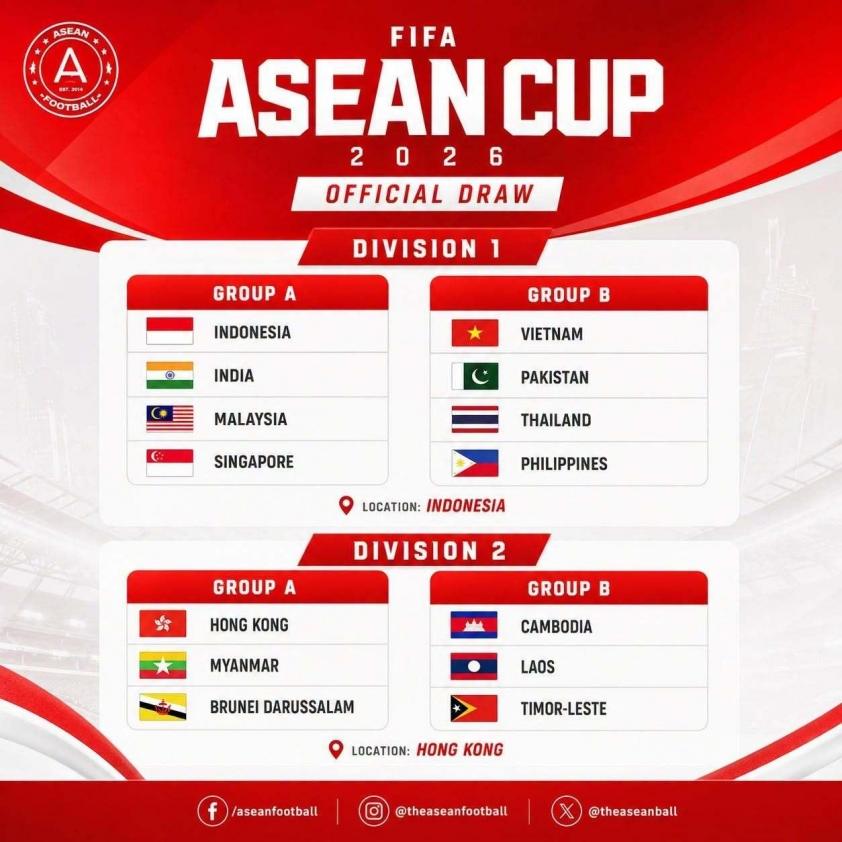
The Philippines are placed in Group B of Division 1 of the 2026 FIFA ASEAN Cup alongside Vietnam, Thailand, and Pakistan. The tournament will be held in Indonesia during the international window from September 24 to October 3, allowing teams to call up players based abroad in accordance with FIFA regulations.
This is precisely the factor that makes the Philippines a very difficult opponent to assess based solely on the recent AFF Hyundai Cup.
The Return of Key Players
At the 2026 AFF Cup, the Philippines started with a surprising 1-4 defeat to Myanmar, then beat Laos 4-1 before losing to Thailand and Malaysia both by 0-1. They earned only three points from four matches and failed to repeat their 2024 semi-final performance.
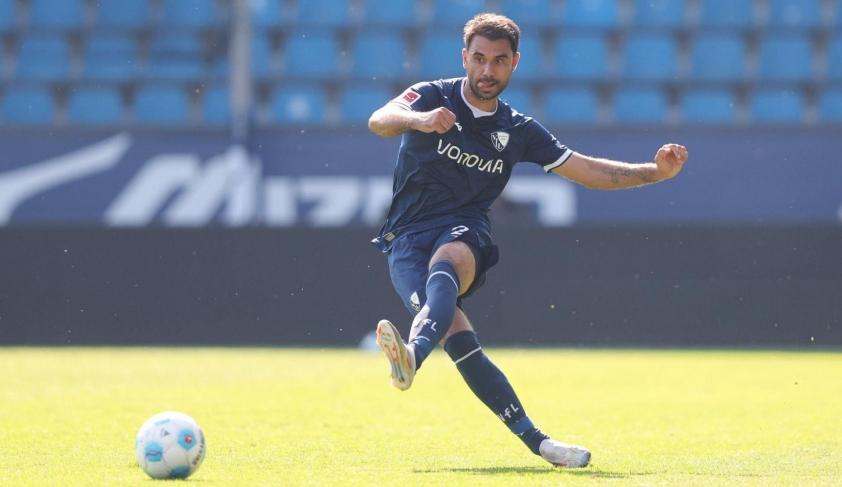
However, the squad used by coach Carles Cuadrat in this tournament lacked several crucial links. Kevin Ray Mendoza, Bjorn Martin Kristensen, Gerrit Holtmann, and Manny Ott were unable to participate because the AFF Cup fell outside FIFA Days, meaning their clubs were not obligated to release them.
These are not backup players. Mendoza is the top choice in goal after veteran goalkeeper Patrick Deyto retired; at 34, Manny Ott still plays a vital role in organizing the midfield; Kristensen is the main striker for the AFC Asian Cup qualifiers, while the duo playing in Germany—Holtmann and Obermair—bring speed and the ability to create breakthroughs on the flanks.
The AFF Cup squad also lacked the Tabinas brothers, Jefferson and Paul, who had been regulars in previous FIFA Days campaigns.
Cuadrat himself admitted that the AFF Cup squad was significantly younger than the team that played the Tri-Nations friendlies in June. Back then, the Philippines also had experienced players like Patrick Reichelt, while in the AFF Cup only two players were over 30.
Therefore, the recent defeat reflected the Philippines' problems, but it does not fully capture the strength they can bring to the FIFA ASEAN Cup.
Playing Style of the Philippines
One aspect that can easily be misunderstood about the Philippines is the image of a team focused on physicality, long balls, and duels. Under Carles Cuadrat, their direction has changed quite clearly.
Coach Cuadrat describes the playing style he is building as attacking and heavily based on ball possession. When they have nearly all their best players, the Philippines tend to deploy a 4-3-3 structure. In the decisive Asian Cup qualifier against Tajikistan last March, Cuadrat's starting lineup featured Kevin Mendoza in goal; Amani Aguinaldo, Jesper Nyholm, and the Tabinas brothers in defense; Manny Ott, Sandro Reyes, and a mobile group upfront supporting Bjorn Kristensen.
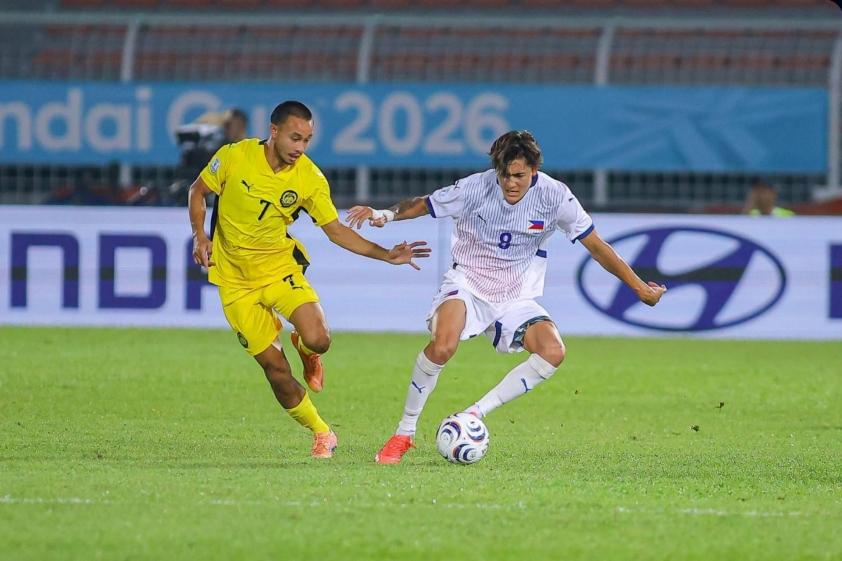
The key lies in the midfield. Manny Ott has the ability to drop deep to receive the ball, control the tempo, and bypass the first pressing line. Upfront, young talent Sandro Reyes operates more flexibly, frequently appearing between the lines and engaging in short combinations.
When the ball is moved to the flanks, the Philippines tend to accelerate quickly. Randy Schneider, Raphael Obermair, and Gerrit Holtmann are all players who prefer to drive the ball forward and use speed rather than just circulating sideways.
In the center of the attack, Bjorn Kristensen is a crucial target. This striker allows the Philippines to switch very quickly from possession to direct attacking: the ball can be sent to the wing and then crossed into the box, or played straight to Kristensen to hold up play.
This is also why the absence of Kristensen at the Hyundai Cup had a greater impact than a mere missing player. Without a proper number 9 of sufficient quality, many of the Philippines' possession sequences lacked a clear finishing point.
Players Vietnam Must Pay Special Attention To
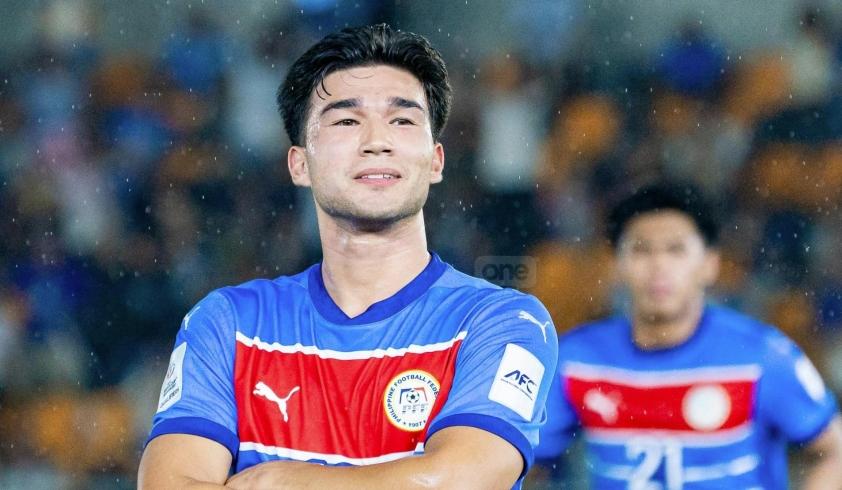
If the Philippines call up their strongest squad in September, Kristensen, Sandro Reyes, and Raphael Obermair will likely be among the most important players.
Kristensen is the spearhead up front. Sandro Reyes is the link between midfield and attack, and he also has the ability to take set pieces. Obermair brings versatility and the ability to make runs into the box. He scored the opening goal in the 1-1 draw away to Tajikistan on March 31.
The defense could also change significantly if Jefferson and Paul Tabinas return. These two brothers not only add experience but are also dangerous from set pieces. In the friendly win over Myanmar 5-1 last June, Jeff and Paul Tabinas scored the first two goals for the Philippines.
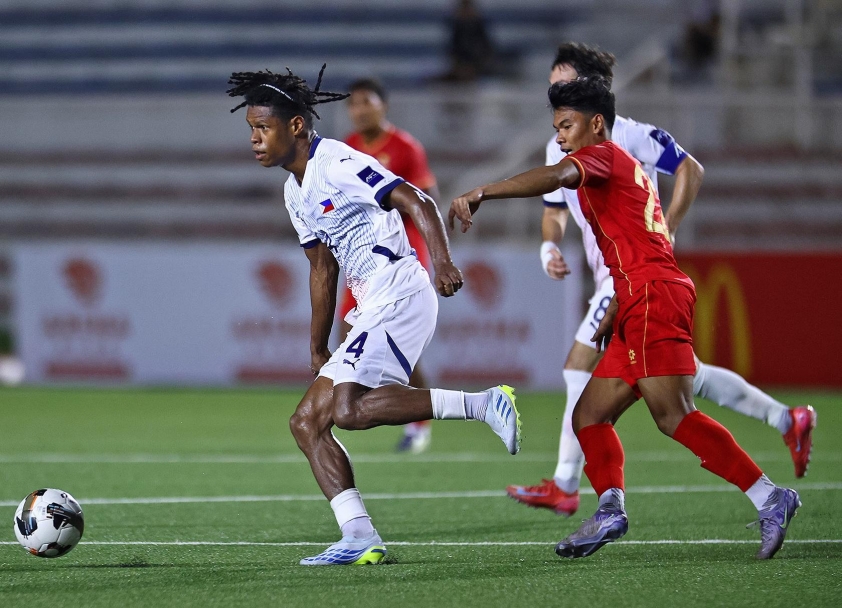
Weaknesses Still Lie at the Back
Having a strong squad does not automatically make the Philippines a complete team. Coach Cuadrat himself has acknowledged that defensive consistency is the issue that prevented the Philippines from qualifying for the Asian Cup. In an interview with the PFF, he admitted that his team created many clear chances against Tajikistan but often paid the price for conceding goals at crucial moments.
The 1-4 loss to Myanmar in the AFF Cup further highlighted this problem. When the midfield is bypassed, the gaps between the Philippines' center-backs and full-backs can open up quickly. Myanmar's second goal came from a through-ball that opened up space behind the defense, while the last two goals resulted from errors and poor control of the penalty area.
This could be a point for teams with rapid transition abilities, such as Vietnam or Thailand, to exploit.
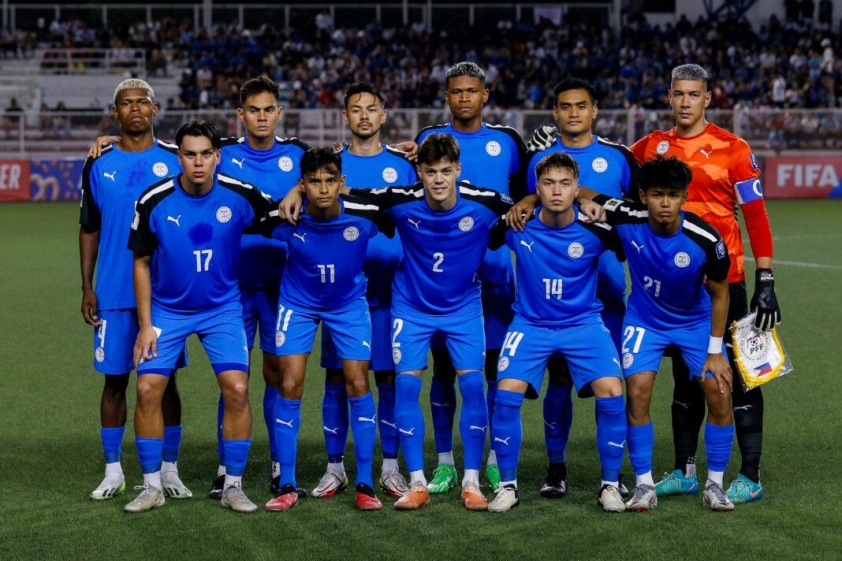
The Philippines Could Be a Major Variable in Group B
Vietnam and Thailand are still justified in being rated higher, but the Philippines are not an opponent to be taken lightly.
A reference point is the performance of the Philippines squad in previous FIFA Days. In March, they held Tajikistan to a 1-1 draw away and finished the Asian Cup qualifiers unbeaten with 14 points from six matches, missing out only because they were one goal behind Tajikistan on goal difference.
The FIFA ASEAN Cup provides Cuadrat with conditions similar to those training camps, more so than the AFF Cup.
If Mendoza, Kristensen, Ott, the Tabinas brothers, Schneider, and other key players are all available, and Holtmann is in good physical condition, the Philippines could field a squad capable of both controlling possession and counter-attacking with speed, and especially dangerous from aerial balls and set pieces.


Wonderfulshortvideo

vinicius junior transfer real madrid arsenal vini here we go arsenal news today real madrid news today ronaldo real madrid ronaldo edit



A sneak peak at yesterdays opener 👀

Think we might side with Francesca’s idea 😂

The highs & lows of racing 🐎

A different view to yesterday’s Stewards enquiry 👀

Perfectly explained by Francesca 🫶🏻

Keep an eye out for Adaay of Scarlett 👀
 Links
Links
 Contact
 App
App


