



Vietnam vs Malaysia: 'The Battle' in the Midfield



In the most foreseeable situation in Kuala Lumpur, Malaysia is prepared to play a compact defense against Vietnam and await chances to counter. In that context, the midfield struggle could be key.
Coach Tan Cheng Hoe, in the post-match press conference after the final group stage match, admitted that Vietnam holds the upper hand, having remained unbeaten in 4 matches with a goal difference of 13-1. He believes that is an advantage in organizing a defensive counterattacking style.
The Trap in the Midfield
The squad quality, form, and ability to organize play give Vietnam a basis to enter the semifinals as the higher-rated team. But we are not completely dominant. The noteworthy point lies in the opponent's chosen style of play.
The Vietnam national team usually brings out their best strength when the opponent takes the initiative to attack. When there is space, Vietnamese players can press, win the ball, and transition quickly. Attacks after regaining possession often have speed, directness, and high potential for breakthroughs.
Conversely, when the opponent drops deep, gives up possession, and blocks space, Vietnam faces a more difficult problem. The match against Cambodia is a clear example. Vietnam had 75% possession, constantly exerted pressure, but the attacking efficiency did not fully match the advantage in ball control. This could be the scenario Malaysia is aiming for.
Malaysia does not necessarily have to compete for ball possession with Vietnam. They can accept letting the opponent hold the ball, maintain a low block, reduce the distance between lines, and wait for Vietnam to make mistakes. When they win the ball, Malaysia will immediately transition and seek to exploit space behind Vietnam's midfield or defense.
Therefore, the key in this midfield battle is which team controls the spaces and the moments of transition. If Vietnam pushes up but loses the ball while unbalanced, the possession advantage could instantly become a weakness. The match against Cambodia showed that at times there were spaces behind Vietnam's center-backs. Against a fast-paced, counterattacking Malaysia, that is not a negligible issue.
To break that situation, Vietnam needs more options than just focusing on breaching the center. Attacking the flanks to stretch the defense, long-range shots when the opponent drops deep, utilizing set pieces, and quick combinations will be important keys. When Malaysia is forced to change their defensive approach, space in the center may open up. In other words, Vietnam needs to turn their midfield advantage into the ability to create chances, not just impressive possession stats.
And to do that, the midfield must also fulfill their duties even without the ball. Pressing after losing possession, blocking Malaysia's first pass, and maintaining distance with the defense will be as important as the passes that create opportunities.
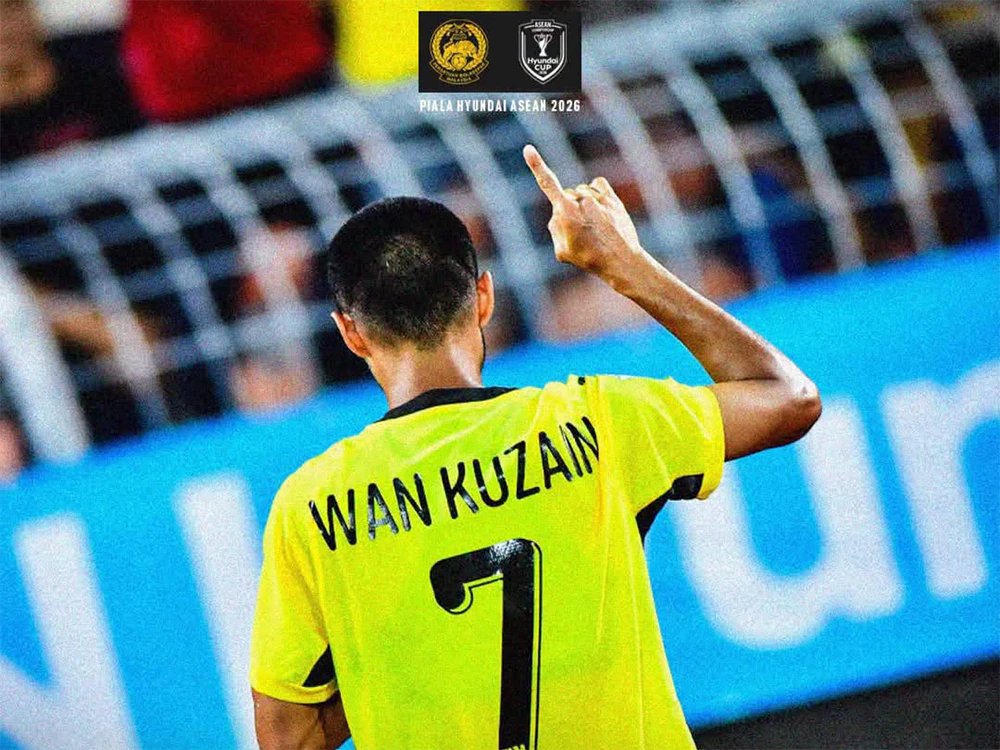
Kuzain is a name Vietnam must be very wary of. Photo: Harimau Malaya
Wan Kuzain and Aguero Lead Malaysia's Midfield
Malaysia will be without Endrick, the naturalized player who once played for Ho Chi Minh City Club, due to injury. This absence forces Coach Tan Cheng Hoe to lose an experienced option in the midfield area and also requires Malaysia to adjust their gameplay. Endrick was capable of contesting, maintaining intensity, and participating in both defense and attack. Therefore, the gap he leaves is not just a position in the lineup but also related to the balance of Malaysia's midfield.
In that context, Wan Kuzain emerges as one of the most notable factors. The midfielder, who grew up and played in the United States, brings a different flavor to Malaysia's midfield. If Endrick leans more towards strength and contesting, Wan Kuzain can provide ball handling, circulation, and organization. Ezequiel Aguero is also a link Vietnam cannot ignore. The presence of this naturalized player gives Malaysia another option to connect midfield and attack, especially when the team needs to transition quickly from defense to offense.
Notably, Endrick's absence will force Malaysia to organize their play through Wan Kuzain, Aguero, and the players around them. That is also why Vietnam should not aim only to "beat" Malaysia's midfield through duels. A more effective approach could be to put pressure on the opponent's build-up process.
Wan Kuzain should not be allowed time and space to observe before passing. Aguero also needs to be limited in receiving the ball in favorable positions. If Vietnam can cut the connection between these two players, Malaysia will struggle to organize quality counterattacks. Conversely, if Wan Kuzain can comfortably receive the ball, Aguero finds space between the lines, and Malaysia can quickly move the ball forward, Vietnam will face a completely different problem.
Therefore, Vietnam does not necessarily need to turn the match into a possession race, but the most important is to control the tempo. When needed, Coach Kim Sang Sik's team must know how to slow down the game to disrupt Malaysia's counterattack plans; when there is space, they must immediately accelerate to exploit the opponent's imbalance.
An early goal could also change the entire game. If Vietnam scores first, Malaysia will be forced to abandon their low block, thereby creating more space for Vietnam's attackers. Conversely, if the score remains 0-0 for a long time, Malaysia will have more reason to stick to a tight defensive stance and wait for their chance. Therefore, Vietnam's task is not only to win the midfield battle but to turn that advantage into goals. In other words, Coach Kim's three keys will be: breaking through the low block, scoring early enough, and minimizing errors during transitions.


Wonderfulshortvideo
vinicius junior transfer real madrid arsenal vini here we go arsenal news today real madrid news today ronaldo real madrid ronaldo edit


A sneak peak at yesterdays opener 👀
Think we might side with Francesca’s idea 😂

The highs & lows of racing 🐎
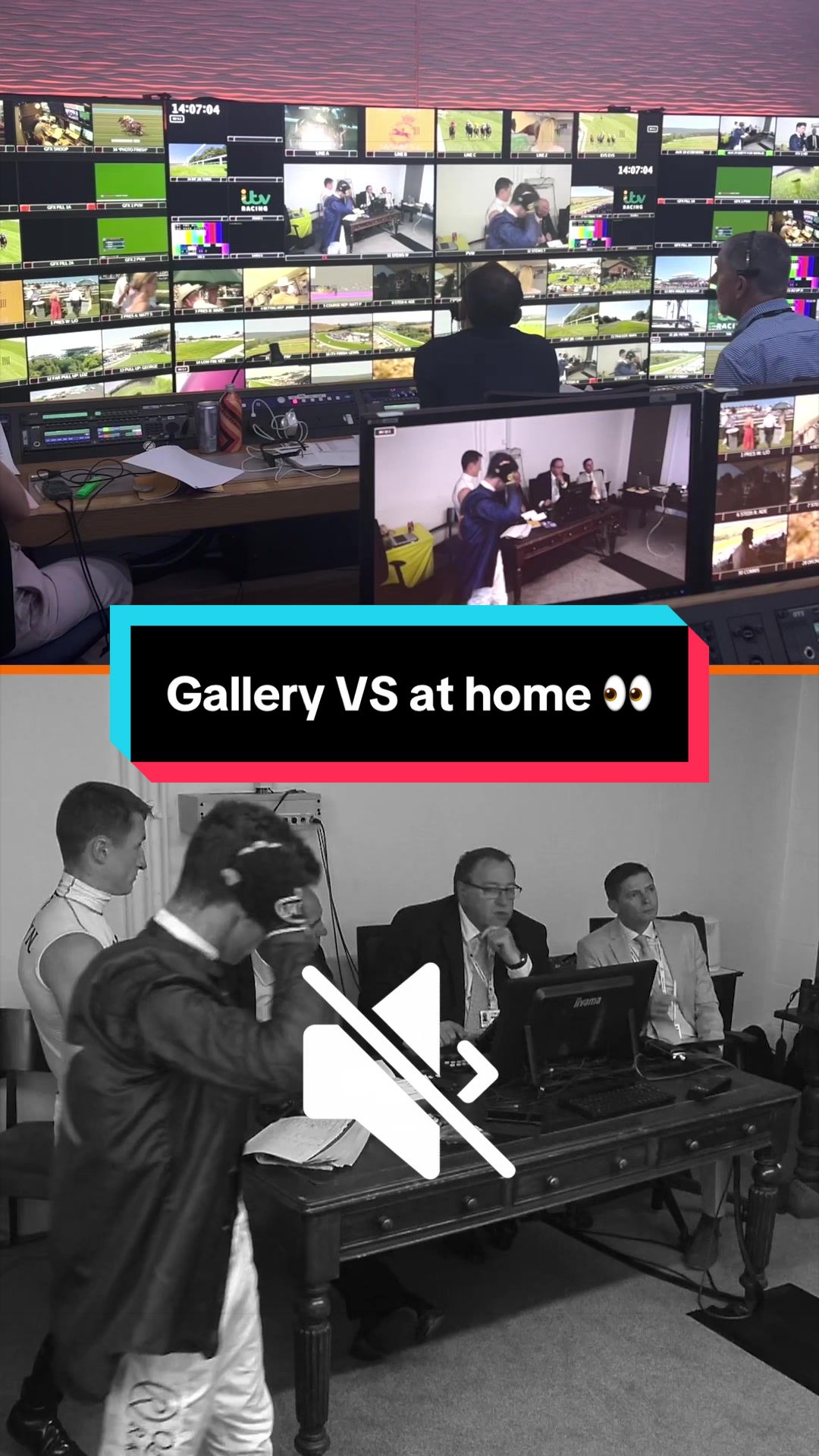
A different view to yesterday’s Stewards enquiry 👀

Perfectly explained by Francesca 🫶🏻

Keep an eye out for Adaay of Scarlett 👀
 Links
Links
 Contact
 App
App


