



Real Madrid: Who will be Mourinho's Rodri?



The best coaches work with the world's finest players. That is the privilege Jose Mourinho enjoyed during his spells at the Bernabeu.
Naturally, the pressure is also greatest when managing the brightest stars of their generation. What the Special One once experienced with Ronaldo, Kaka, Benzema, and Di Maria in the 2010s will be replicated 16 years later, as he must build a championship-winning squad around Mbappe, Vinicius, Diomande, and Bellingham.
From 2012…
Putting aside all debates surrounding the 63-year-old coach's first tenure at the Bernabeu from 2010 to 2013, the team he constructed for the 2011/12 season remains one of the finest in the club's history.
That collective won La Liga with unprecedented records: 100 points—a feat matched by Barcelona a year later under the late Tito Vilanova—and a still-standing record of 121 goals, with 32 wins including 16 away victories. Beyond the numbers, it was a side that electrified fans, authoring some of the most breathtaking counter-attacks ever seen, leaving even Pep Guardiola in awe.
That outstanding lineup was forged by four attacking stars: Ronaldo, Di Maria, Benzema, and Ozil. Behind them, Xabi Alonso and Khedira operated as brilliant sweepers and orchestrators from the midfield.
15 years later, Jose Mourinho—or rather, the club under president Florentino Pérez, the world's foremost sports strategist—has assembled a squad that promises to revive that formula with an ultra-direct style, where players race toward the opponent's goal at rocket speed the moment they regain possession.
The signing of Diomande, the contract extension of Vinicius, along with the rise of Bellingham and Mbappe after the 2026 World Cup, make Madridistas easily recall the image of that triumphant year, with a three-man midfield supporting directly behind the central striker.
Of course, there will be differences from the past, as different players bring distinct qualities and mindsets. Perhaps the attacking quartet will still showcase their devastating scoring ability, explosiveness, and peak efficiency.
But against varied opponents—especially those considered weaker—the Special One's tactical demands will also shift. This team will need to control possession and regulate the tempo more than relying purely on counter-attacks.
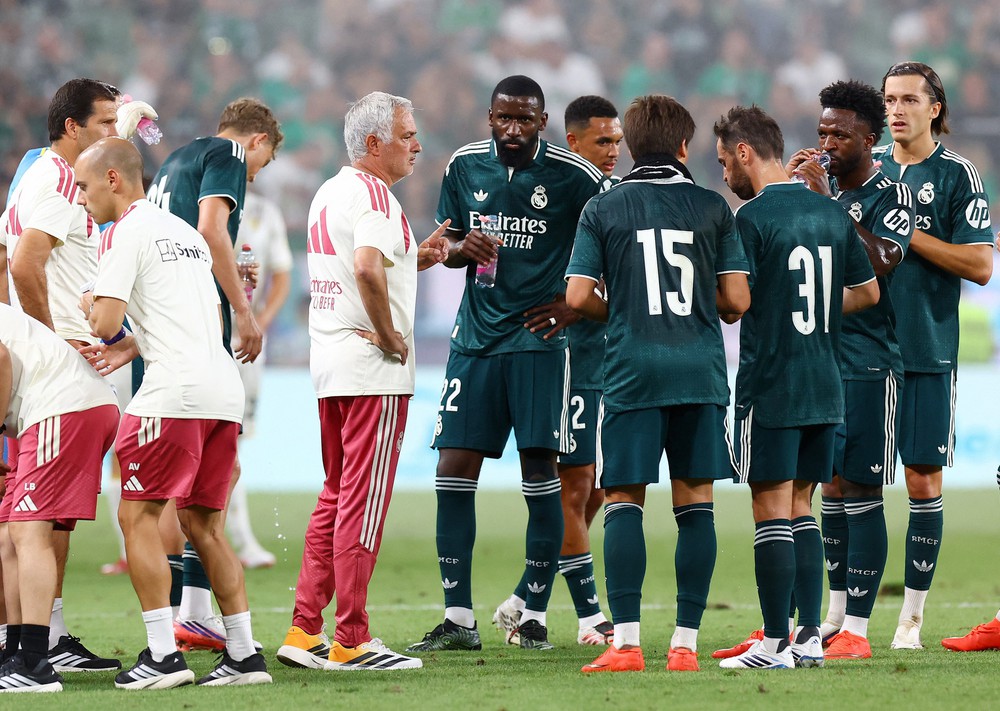
Jose Mourinho will have to find someone like Rodri to recreate the 2012 formula.
… To 2026
Undoubtedly, the attacking quartet will almost always feature, given their caliber and the magnitude of big matches. Hence, Mourinho will likely deploy a central midfield pair—a difficult choice, as he sees no true organizer in Tchouameni or Valverde, who instead provide balance and are more inclined to protect the system.
In the 2012 season, the tactical vision of Xabi Alonso and Ozil was the key to solving such situations. One organized from deep, the other attacked in the final third. That combination was perfect. But now, with Rodri choosing Barcelona, the question for Mourinho is: who will assume the role of Xabi Alonso from the past?
Currently, Arda Guler plays in a style similar to Ozil, but in big matches, the Turkish midfielder has failed to prove his worth. Meanwhile, Tchouameni and Valverde are not outstanding in creativity. They often struggle to execute line-breaking passes or smoothly switch attacking directions.
The club believes Bernardo Silva is the best fit for that role. The Portuguese midfielder possesses tactical vision, ball control, and excellent game management, especially against deep-lying defenses. However, as is known, the 32-year-old does very little of the Rodri-type work that was expected if the 2024 Ballon d'Or winner had arrived. Moreover, Silva is at a stage where playing over 50 matches per season is not a wise choice.
The Special One will have to rotate with the rest, but most of them lack mental strength, physical condition, and are unlikely to be the solution in the position Mourinho needs most—a squad he wants to mold after the model of the 2012 championship team.


Wonderfulshortvideo
vinicius junior transfer real madrid arsenal vini here we go arsenal news today real madrid news today ronaldo real madrid ronaldo edit


A sneak peak at yesterdays opener 👀
Think we might side with Francesca’s idea 😂
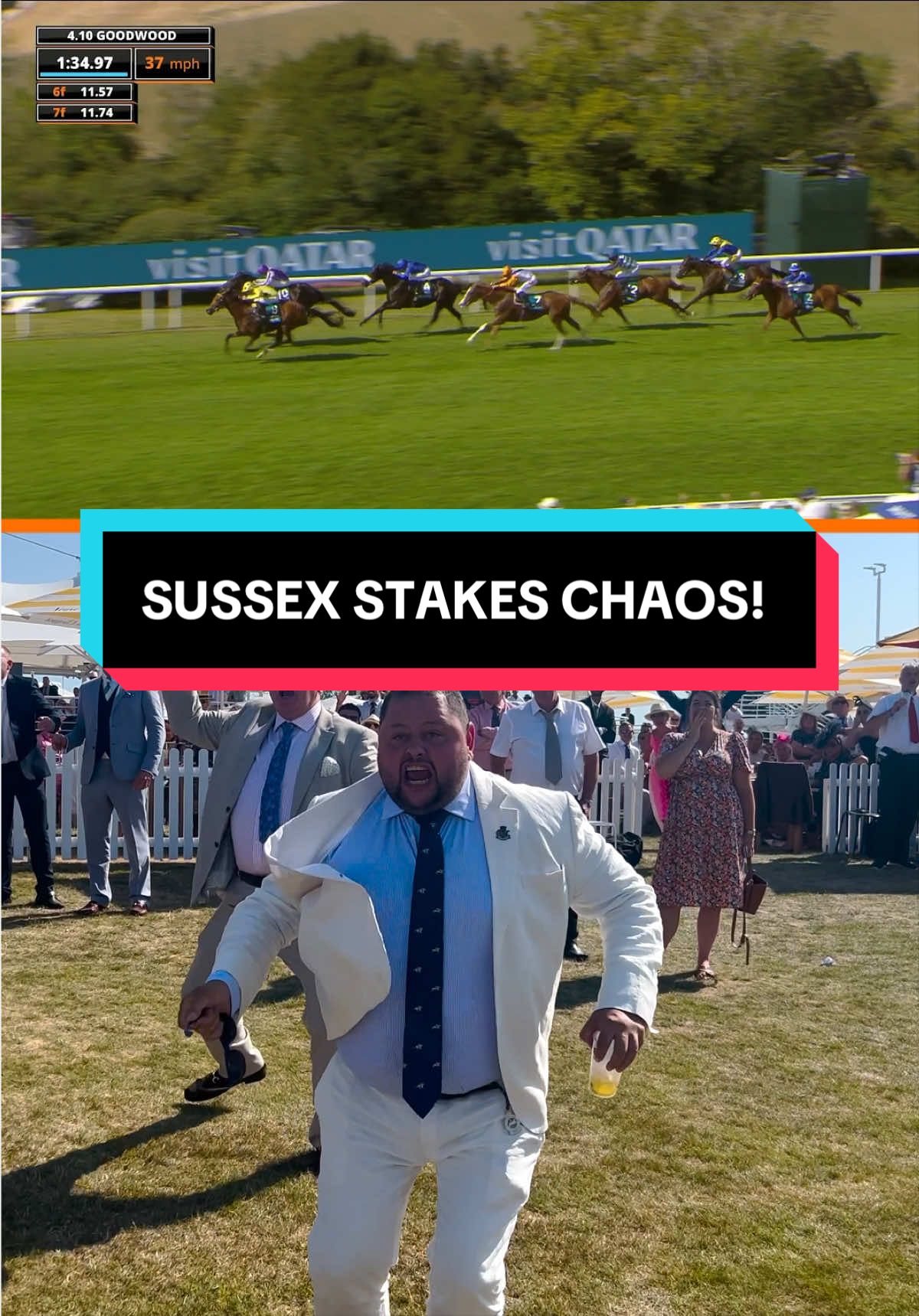
The highs & lows of racing 🐎
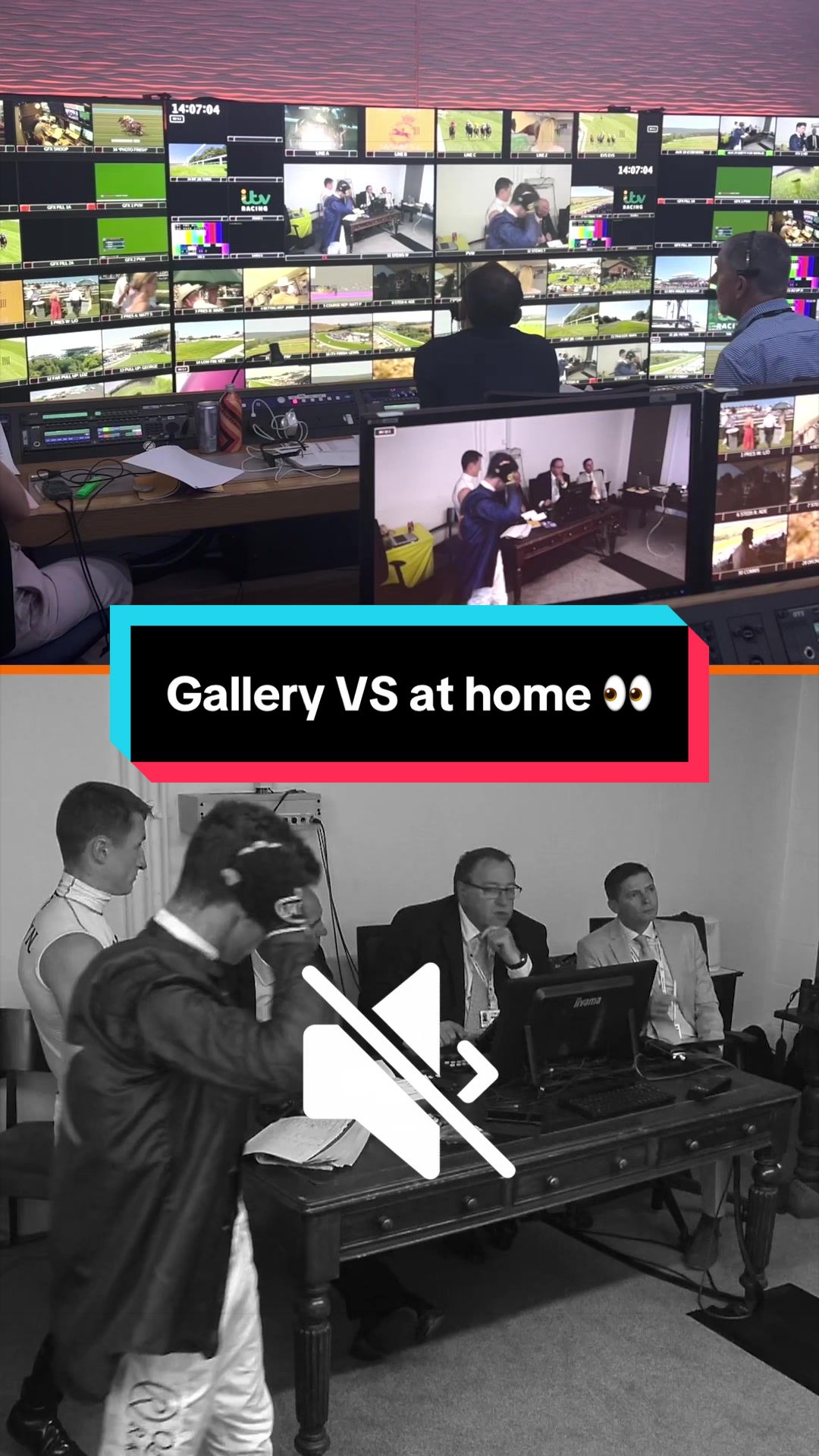
A different view to yesterday’s Stewards enquiry 👀
Perfectly explained by Francesca 🫶🏻

Keep an eye out for Adaay of Scarlett 👀
 Links
Links
 Contact
 App
App


