



Window to Study Abroad Meets Obstacles, but the Door to Openness Swings Open



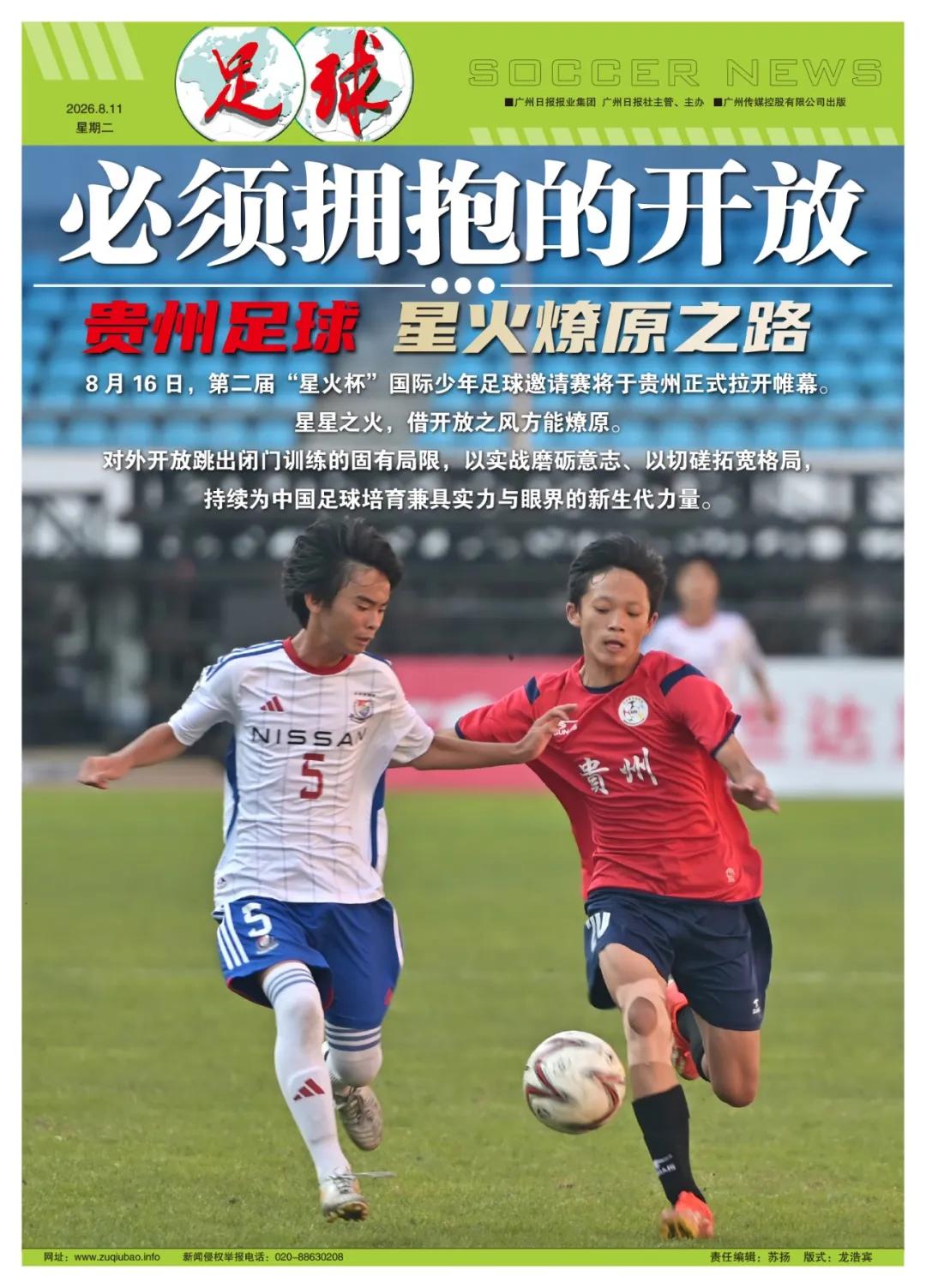
The Openness That Must Be Embraced: Guizhou's Path from a Spark to a Blaze
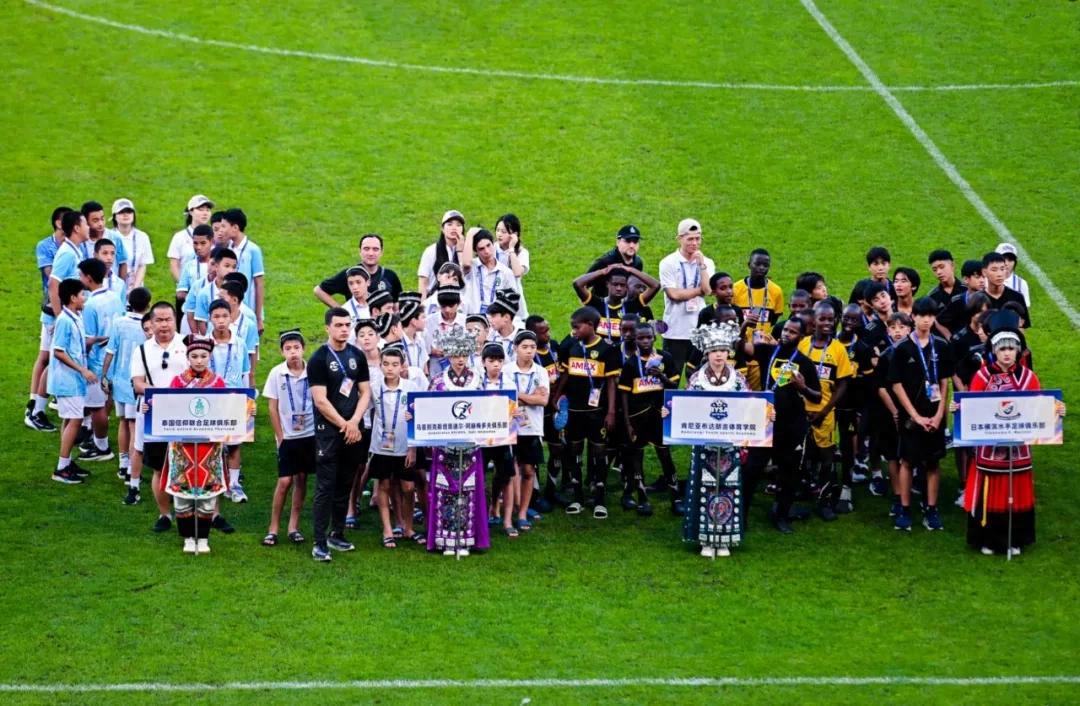
On August 16, the second edition of the "Spark Cup" International Youth Football Invitational Tournament will officially commence in Guizhou. Youth teams from South Korea, Uzbekistan, Kyrgyzstan, and Vietnam will come together on the green field, using football as a link to foster international competitive exchanges. This is not just happening in Guizhou; this summer, youth international football events are flourishing across China. Continuously expanding openness to the outside world has become an essential path for breakthroughs in Chinese youth football training.
International invitationals like the "Spark Cup" break down regional limitations, allowing local young players to face diverse tactical styles and techniques. Through actual competition, they address weaknesses in physical confrontations and accumulate valuable tournament experience. These international exchanges build a two-way learning bridge: we absorb advanced overseas training philosophies and systems while also showcasing the talents of domestic young players abroad.
A single spark can start a prairie fire only with the wind of openness. Breaking free from the limitations of closed-door training, we sharpen our will through real matches and broaden our horizons through competition. This is how we continue to nurture a new generation of Chinese football players equipped with both strength and vision.

Reported by Chief Correspondent Chen Yong In January 2026, during the China-South Korea Youth Football Elite Friendly Match in Dingnan, a remark from Long Cheng, head coach of Wuhan Three Towns, after the match against HSFA Hwaseong left a deep impression—and even a sense of anxiety—as he spoke against the evening glow: "Although the team played more than 50 matches in 2025, fewer than five of them were high-intensity, fast-paced games of real quality."
On August 17, HSFA Hwaseong will once again come to China to participate in the Guizhou "Spark Cup" International Youth Football Invitational, which features six overseas teams from five countries. Besides this tournament, HSFA Hwaseong will also compete in the junior high school division of the "Century-Old Elite Schools Football Exchange Tournament" starting later this month, continuing to test the quality of Chinese campus football with their relentless pressing and transitions. This also marks an active exploration of transforming the "Century-Old Schools Cup" from a domestic event into an international one.
This summer in China, international invitationals like the "Spark Cup" have been widely held across the country: the traditional Shanghai Future Star Champions Cup saw the U17 national team face off against top European youth academies with impressive performances; the Shenyang "Peace Cup" kicked off at the same time as the "Spark Cup," with 16 international teams from seven countries, making it the tournament attracting the most international teams this summer. A rough count shows that from July to August, there were no fewer than ten international football invitationals held in China.
Chinese football is fully embracing the world, especially given the difficulty of achieving significant progress through overseas study in the short term. The main themes now are sending national teams abroad to participate in high-level competitions and inviting more international teams to come to China to help elevate elite youth training.

The institutional reforms based on China's own football development have taken shape and are entering a phase of full implementation. Embracing the world to adapt to higher intensity and faster-paced games has become a consensus among decision-makers and grassroots football practitioners. Since 2024, besides key priorities like building a five-tier youth training center system and reforming the tournament structure, another national focus has been integration and exchange with world football.
The channels are familiar: one is "going out," which includes three forms: sending entire teams abroad for study, individual players going abroad, and sending entire teams for training camps. The exploration of sending entire teams abroad has a history of over 30 years: in 1993, the Jianlibao team went to Brazil; more than 20 years later, Evergrande Football School established a branch in Spain, with the principle of studying abroad in Spain for the first half of the year and then playing domestic leagues in the second half; and Luneng Football School once insisted on sending U16 teams (with no domestic official matches) to Luneng's Brazil base for at least six months of team study abroad.
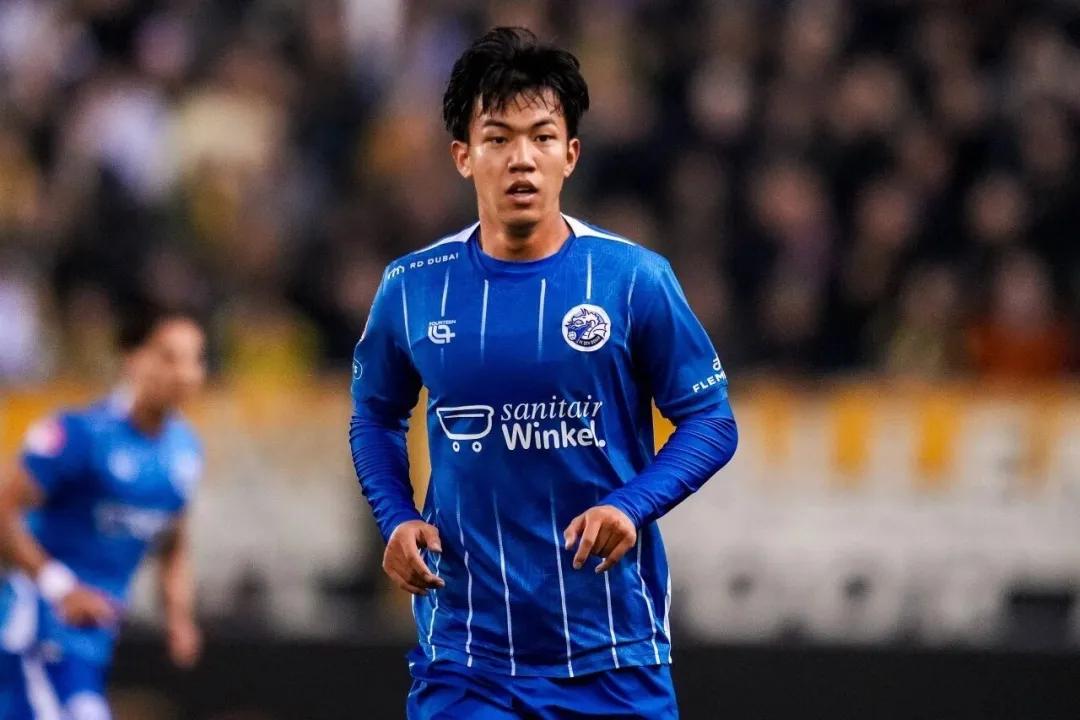
Individual study abroad also takes many forms. For example, Shaanxi Union "sponsored" Wang Bohao to study at their brother club, FC Den Bosch in the Netherlands, where he performed well in the U23 Asian Cup and renewed his contract for another year last month. Previously, the Chinese Football Association organized players to study at various Portuguese clubs, while Shandong Taishan FC sent players to São Paulo, Brazil DB, and other clubs, with varying results.
Beyond "sponsored" programs, there are also individual study abroad arrangements through agents and other means. Recent players who have gone abroad include Xu Bin, Zhang Jiaming, and Wan Xiang. During his time in Serbia, Wan Xiang experienced completely different training and match formats. For instance, he was placed in positions like winger or defensive midfielder in Serbia, which he found extremely uncomfortable at first, but later in the U17 Asian Cup, he performed well as a defensive midfielder, proving that the domestic focus on a single position may be out of sync with the mainstream global model.
At the national level, an overseas talent development plan has been introduced. The Chinese Football Association has established an Overseas Talent Office and launched the "China Team Youth Inspirational Plan" to incentivize players studying abroad. Additionally, the CFA has been signing agreements with European football associations, professional leagues, and Chinese-invested or friendly clubs. On July 29, Song Kai met with Ferran Soriano, CEO of City Football Group, to discuss the specifics of the "Overseas Talent Development Cooperation Framework," targeting areas such as coaching overseas training, youth study abroad, and tournament exchanges.
However, the path of individual study abroad is hampered by the relatively low level of Chinese youth football, cultural and lifestyle differences, and local participation policies. This results in a small number of players abroad, generally low-level platforms, and no guarantee of sufficient match time. In the short term, the impact on Chinese football is limited—it is a long-term path that requires sustained exploration and persistence to achieve scale and qualitative change. Against this backdrop, the current focus of the CFA's "going out" strategy is sending national teams to participate in high-quality overseas tournaments, including the Toulon Tournament, Montaigu Tournament, and the Italian Nations Cup, with plans to attend more high-level overseas events.
Currently, most of the teams "going out" are national teams, with clubs showing less initiative. This makes it difficult for China's elite youth training to fully undergo the baptism of mainstream international tactics and techniques. Thus, the importance of "inviting in" becomes evident. While hosting international football invitationals in China cannot fully immerse teams in the mainstream international football culture, the clash of tactics and techniques is obvious, and there is some exchange of football culture on the field.
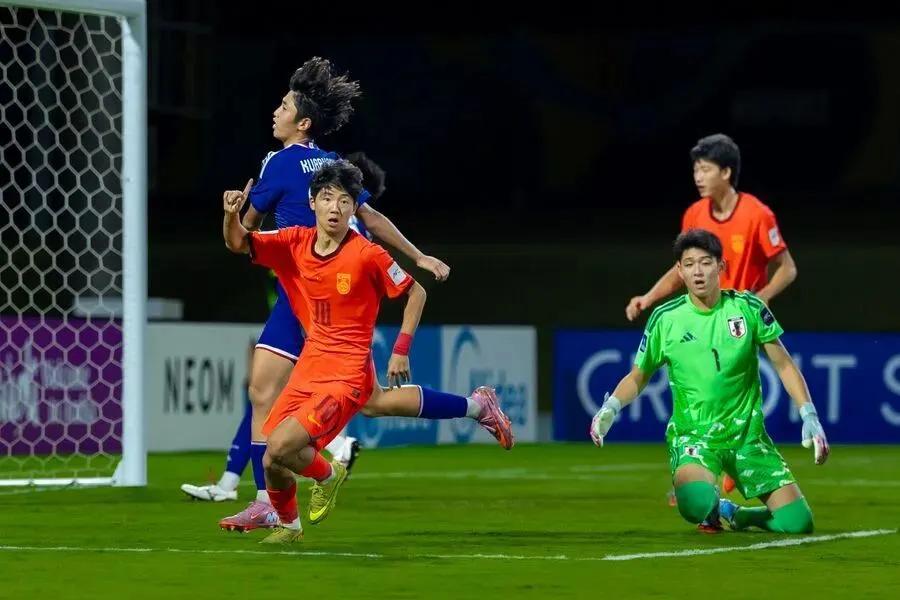

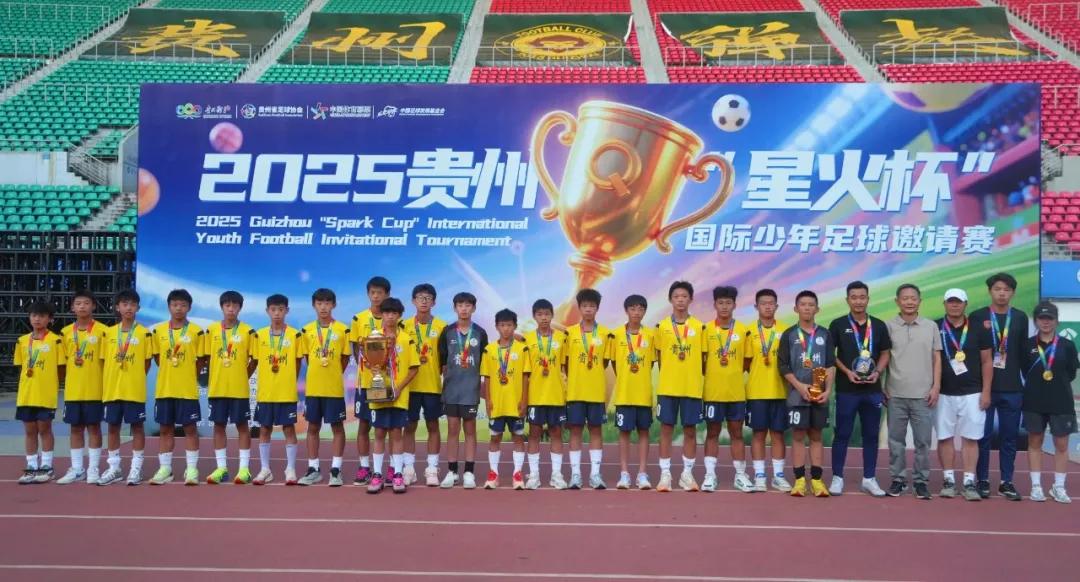
The "Spark Cup" International Football Invitational is now in its second edition. The first edition was held from July 29 to August 2, 2025, featuring five foreign teams—including SD Huesca Internacional and Yokohama F. Marinos—along with domestic teams like Guizhou and Shanghai Port U13. In that tournament, Guizhou defeated Yokohama F. Marinos U13 1-0 and eventually won the championship.
This year, the "Spark Cup" has been upgraded and expanded. Its full name is now the Second Guizhou "Spark Cup" International Youth Football Invitational & China-ASEAN Education Exchange Week International Youth Football Invitational. Guizhou has integrated all youth football events into the "Spark Cup" system, with international tournaments mainly held in summer as part of the "Summer Training and Summer Competition" program. Guizhou is one of the provinces with a relatively cool summer climate, aside from the Northeast, North China, and the Bashang region (e.g., Zhangjiakou, Yan'an). For example, in mid-August, the maximum temperature in Guiyang is usually 28–30°C, with a minimum around 21°C, allowing for all-day matches.
During the era of "golden yuan" football, international invitationals were once popular, but then fell silent. At that time, most international events held in China were CFA-organized China Team series matches. Since 2024, various unofficial international football invitationals have grown rapidly. Based on the scale of this summer's events, it is estimated that in 2026, the number of teams coming to China for matches could exceed 200, including both official China Team series events and unofficial ones.
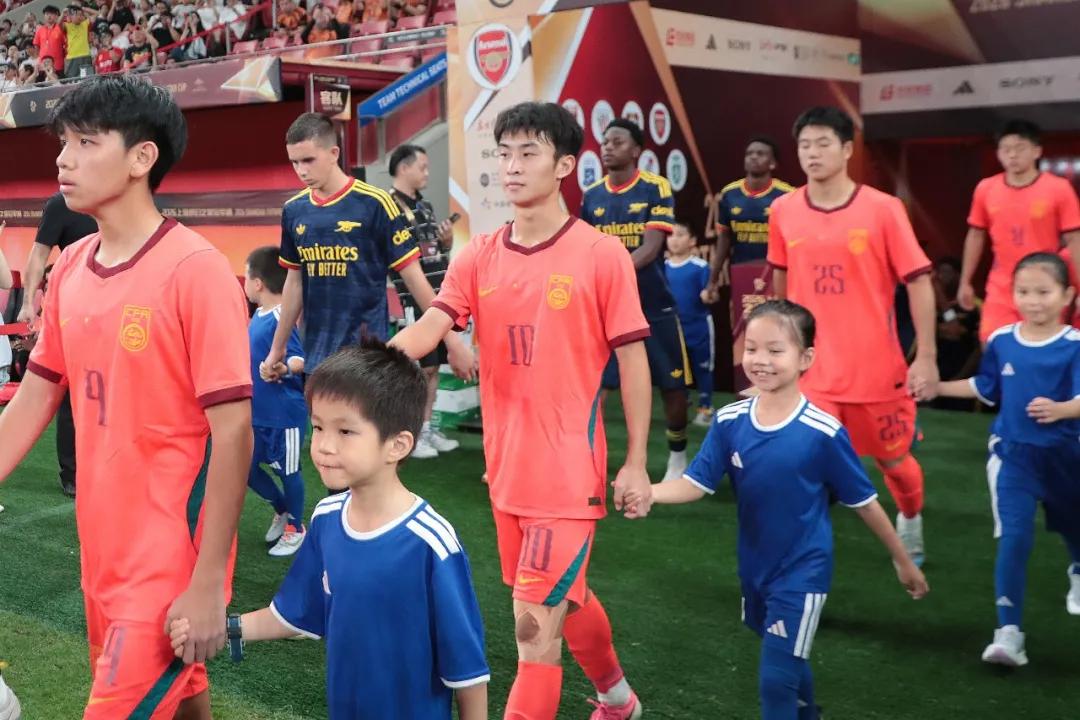
State support is clearly visible. Both the General Administration of Sport of China and the Chinese Football Association are fully promoting openness and integration. Zhang Jiasheng, Deputy Director of the General Administration of Sport, and Song Kai, CFA President, have repeatedly expressed the hope that more Chinese teams can engage in international exchanges to boost elite youth training. The China Football Development Foundation, starting in 2025, has shifted its sponsorship focus toward international events, in addition to domestic grassroots tournaments like county-level matches—a clear policy signal.
As national football revitalization policies and the restructuring of youth training systems send signals to local governments, local enthusiasm has been fully ignited. Current international invitationals, aside from the official CFA China Team series, are mostly organized by local governments. Provincial and municipal sports bureaus, football associations, and youth training institutions have shown great enthusiasm. Meanwhile, elite youth training teams and campus football teams also place high importance on improving themselves through exchanges with foreign teams. As a result, the number of tournaments has increased, their scale has expanded, and the number of participating foreign teams has grown. The "Kashgar Cup" International Youth Football Invitational started in 2024, the "Qianchao Cup" International Youth Football Invitational started in 2025, and the first China-South Korea Youth Football Elite Friendly Match, held in January 2026, featured a new format comprehensively promoting China-foreign exchanges, with 32 out of 64 matches being cross-border contests.
Although the true integration of Chinese football with world football ultimately depends on large-scale study abroad, these large-scale international invitationals are currently maximizing the improvement of the level of Chinese youth football.
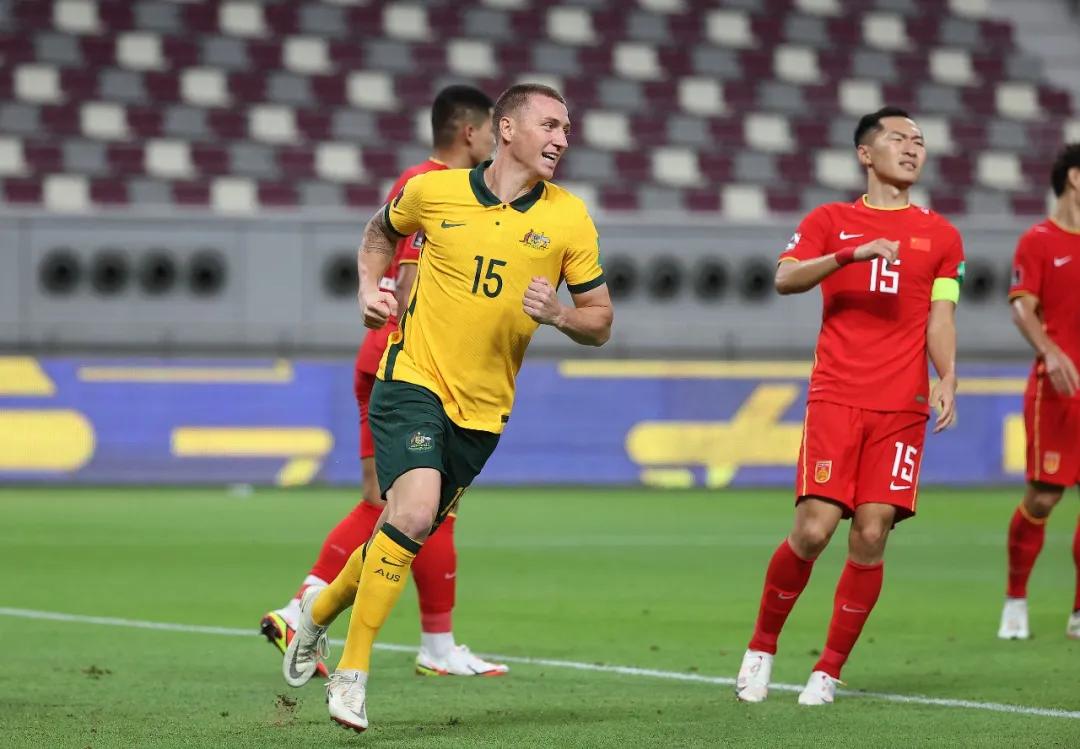
Let's turn our attention back to the first match of the 2022 World Cup Asian Qualifiers final round. Facing Australia, a team not known for individual brilliance, the Chinese national team was completely overwhelmed, losing 0-3. The reason was the high intensity and fast pace displayed by the opponent, which the Chinese team could not handle. More recently, in March this year, during an international friendly series in Australia against Cameroon, the national team was also powerless in the first half against Cameroon's intensity and pace. However, after adjustments in the second half, they actively engaged in physical confrontations and dared to raise the tempo, proving that they are not lacking in physical ability. The content of the second half was fundamentally different from the first half.
The U23 national team's eventual runner-up finish in the Asian Cup was largely due to choosing top Asian opponents in their preparatory friendly matches. For example, in the 2025 Yancheng Four-Nation Tournament, the opponents were South Korea, Uzbekistan, and Vietnam. The U23 team beat South Korea 1-0 and drew with Uzbekistan and Vietnam to win the title, achieving a dual boost in tactical style and confidence. As for the various youth national teams, they often travel to Europe for major tournaments like the Montaigu Tournament, and the international invitationals held in China usually invite top or near-top Asian teams such as South Korea, Australia, Saudi Arabia, and Uzbekistan, also achieving dual improvements in tactics and confidence.
This summer, various types of international football invitationals are flourishing across the country, and it is believed that this trend will continue to grow. As the level of Chinese football improves, the quality of these events will inevitably be pursued more highly. This path of "inviting in" openness is one we must embrace with greater determination.


Wonderfulshortvideo

vinicius junior transfer real madrid arsenal vini here we go arsenal news today real madrid news today ronaldo real madrid ronaldo edit



A sneak peak at yesterdays opener 👀

Think we might side with Francesca’s idea 😂

The highs & lows of racing 🐎

A different view to yesterday’s Stewards enquiry 👀

Perfectly explained by Francesca 🫶🏻

Keep an eye out for Adaay of Scarlett 👀
 Links
Links
 Contact
 App
App


