



Guizhou's "Spark" Connects the World


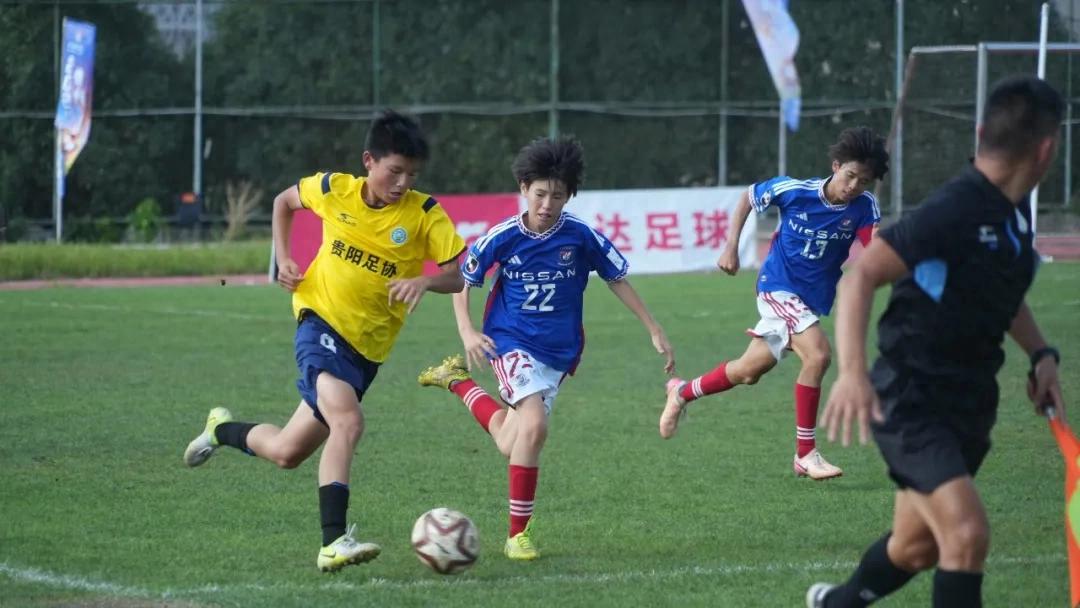
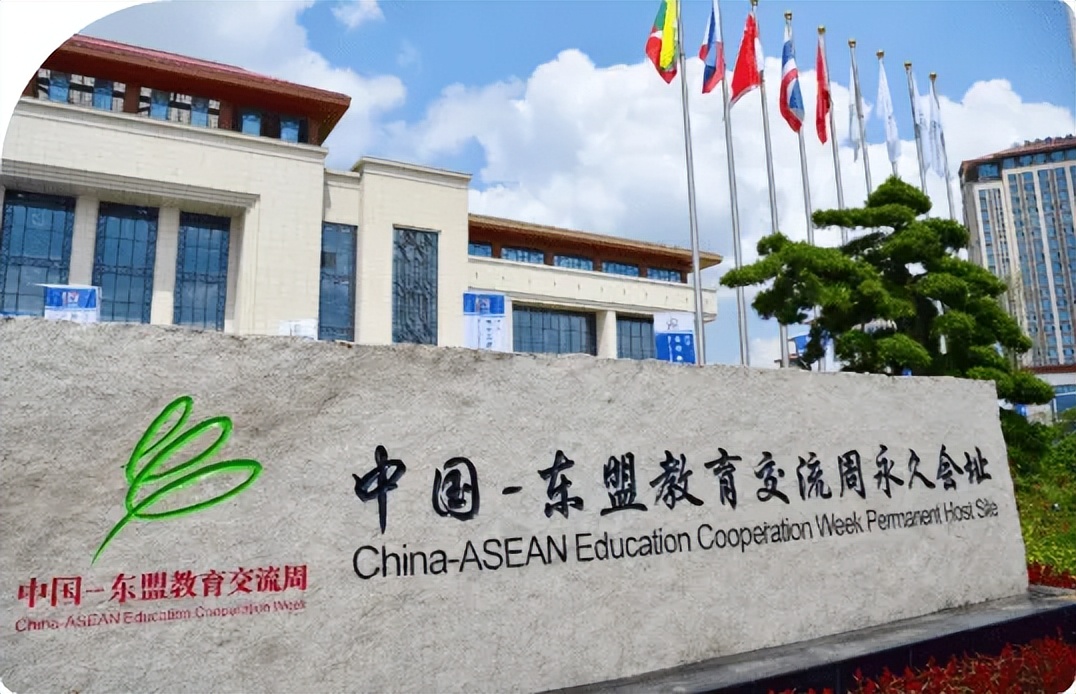
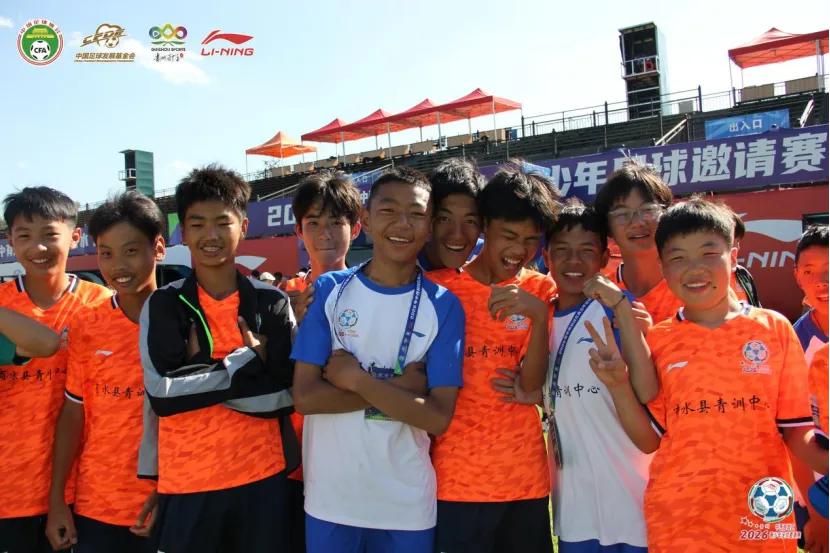
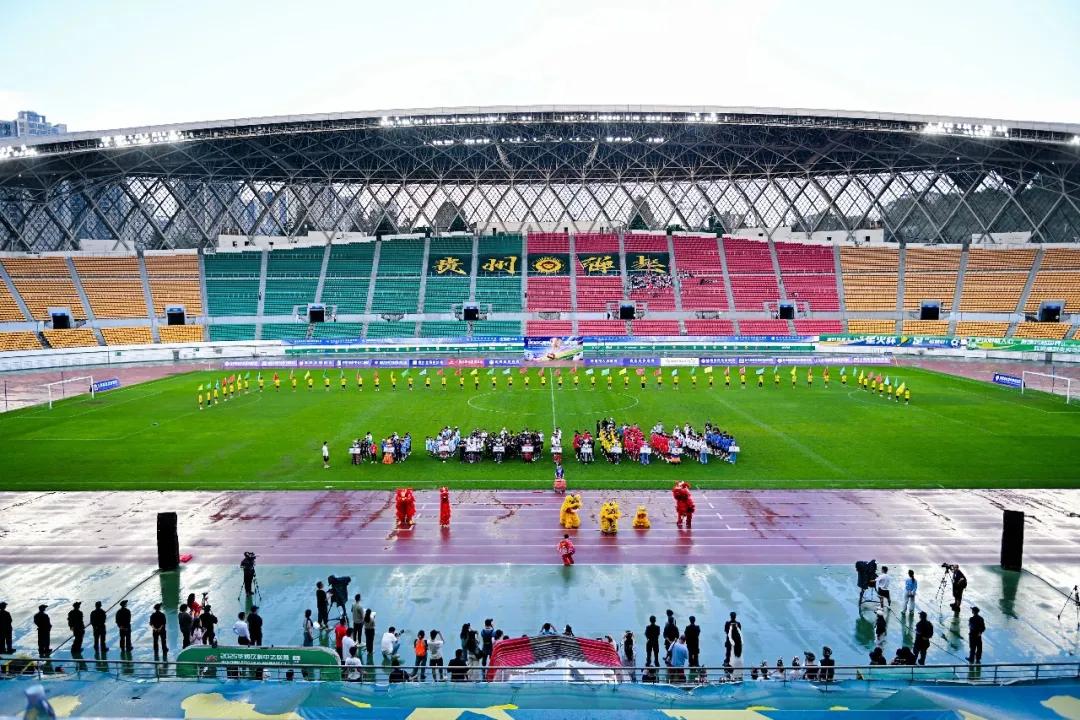
Written by Zuo Rui A single spark has grown into a blazing fire; youth football training thrives on exchange and mutual progress. On August 17, the second Guizhou "Spark Cup" International Youth Football Invitational, also part of the China-ASEAN Education Exchange Week, will open at the Guizhou Provincial Fitness Center. This event will showcase Guizhou's openness and ambition in football and youth development, signaling its determination to become a "new hub" for international youth football exchanges in western China.

Hosted by the Guizhou Provincial Sports Bureau and the Guizhou Provincial Department of Education, and organized by the Guizhou Football Association, the ASEAN Secretariat of the Guizhou Provincial Department of Education, and Soccer News, this brand event will bring together 16 elite youth teams from home and abroad, including teams from Uzbekistan, Kyrgyzstan, South Korea, and Southeast Asian countries.
Positioned as a key node on the Western Land-Sea New Corridor and connecting with the Guangdong-Hong Kong-Macao Greater Bay Area and the Chengdu-Chongqing economic circle, Guizhou has identified Southeast Asia, South Asia, and Central Asia as its main directions for opening up. The "Spark Cup" responds to this strategy through grassroots football exchanges and youth friendship. The invited overseas teams also meet Guizhou's tailored needs—after fully adopting the South Korean youth training system, two well-trained Korean teams coming to Guiyang this time holds special significance for the hosts.
The mountainous geography and cultural environment have given Guizhou's young footballers a natural resilience and hardworking spirit, which aligns well with the strict and disciplined South Korean training approach. The Guizhou Provincial Sports Bureau chose the Korean system because it "best fits Guizhou football's characteristics and future direction," and facilitates in-depth "bringing in and going out" exchanges.
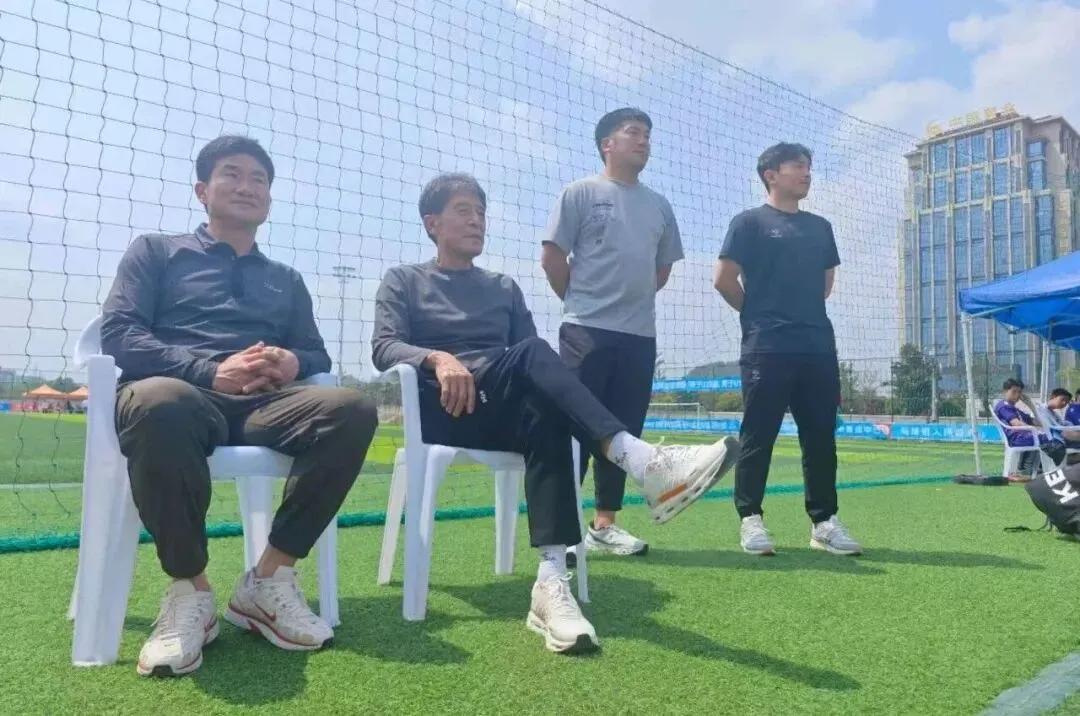
In April this year, the Guizhou Football Association hired Korean football legend Lee Jang-soo as youth training director, along with a three-member Korean coaching team—a major step in professional talent acquisition. Ma Lei, Director of the Guizhou Provincial Sports Bureau, stated that for Guizhou football to contribute to Chinese football, it must embrace openness and build an international-standard training and competition system to raise the overall level of football in the province.
According to recent news from the Guizhou Provincial Sports Bureau, from July to September, the province will host over 450 sports events with more than 2,000 matches. Through the "Summer Training and Summer Competition" series, they aim to build the "Follow the Events to Guizhou" brand, making the province a top domestic and international destination for summer training and competition, as well as "China's Summer Football Training and Event Capital."
The Guizhou youth football "Continuous League" is a highlight of the Summer Training and Summer Competition. From July to September, Guizhou plans to complete 15 football events involving over 7,700 participants, with more than 1,600 matches. The "Spark Cup" is the jewel of these events and the province's three-tier youth football competition: at the city level, the "Spark Cup" Bijie Youth Football Super League; at the provincial level, the Guizhou "Spark Cup" Youth Football League; and the international youth invitational as the highest level of the "Spark Cup."
The 19-year-old China-ASEAN Education Exchange Week has established ties between Guizhou and over 90 universities and educational institutions from ASEAN and Belt and Road countries, with a total of 20,900 ASEAN students having studied in Guizhou. As cooperation expands, education is becoming the strongest bond between Guizhou and ASEAN. The province-wide upgraded "Summer Training and Summer Competition," which started last year, will in time become a hub connecting Guizhou's youth training with world football.

Summer Training and Summer Competition is a trump card for Guizhou football. The average summer temperature in Guizhou is 23°C, with an air quality excellent rate of 90%, while northern, eastern, and southern China are often sweltering. Besides the cool, comfortable weather, Guizhou's summers are also characterized by cloudy skies and less solar radiation. Moreover, the average altitude of 1,100 meters makes it ideal for improving athletes' cardiopulmonary function and building endurance reserves.
The Guizhou Provincial Sports Bureau has been leveraging the sub-plateau climate to create a "natural air-conditioned training ground" and "multi-gradient training base" for summer football. In March this year, Guizhou Governor Li Bingjun emphasized during a research visit the need to capitalize on the unique climate and location advantages to accelerate the development of a high-level event system. He also invited teams nationwide to come and play football in Guizhou during the hottest days of summer.
The favorable geographical and climatic conditions make Guizhou the best choice for summer football training and matches. The beautiful natural scenery also offers plenty of recreational activities for young players and their accompanying parents. Guizhou's "Summer Training and Summer Competition" is upgrading to a national-level system: larger and higher-level events, and a national "summer training" counterpart to the "winter training." The system centers on Guiyang, radiating to other cities in the province.
Guizhou is the 12th province in China to have high-speed rail connecting all its cities. The province's terrain is roughly circular, with Guiyang at the center. High-speed rail travel from Guiyang to Bijie, Zunyi, Kaili, Duyun, Liupanshui, Anshun, and even Rongjiang takes between 30 minutes and one hour, while trips to the more distant Tongren and Xingyi take about 1.5 to 2 hours.
Through province-wide coordination of event organization and transportation, unified arrangements for training venues and accommodation, and comprehensive services for parents, Guizhou's "Summer Training and Summer Competition" achieves an organic integration of "events and training," which aligns with the laws of football development and also drives the construction of Guizhou's own youth training system.
Driven by the national football strategy of piloting integrated sports-education youth training systems in western regions, Guizhou has completed a "one main, four auxiliary" youth training layout: the main city is Bijie (a pilot city for western youth training), with Guiyang, Zunyi, Qiannan, and Qianxinan as auxiliary centers. Among them, Duyun Football Town in Qiannan has 30 professional football fields, making it the largest professional football complex in southwest China.
Official data shows that as of July last year, Guizhou had built 4,549 football fields of various types. With the full promotion of provincial, city, and county youth training centers, the number of concentrated high-quality fields will continue to increase, providing greater development opportunities and service space for Guizhou's "one chessboard for the whole province" and the nationwide "Summer Training and Summer Competition."

In addition to its favorable climate, geography, location, transportation, venues, and organization, Guizhou's biggest advantage in football development lies in its strong grassroots football culture and vibrant social football atmosphere. The "Cun Chao" (Village Super League), which has become a super IP and a golden brand both domestically and internationally, now features participants from all over China and abroad.
In May 2023, the "Cun Chao" exploded onto the scene from Rongjiang County in Qiandongnan, Guizhou. In October 2025, the "Cun Chao" kicked off simultaneously in all nine prefectures of the province, with 88 counties igniting rural football. From then on, every county holds its own "Cun Chao," every place has a home stadium, there are matches every week, and activities every month. Tens of thousands of amateur players participated, with over 2,000 matches.
Just as the "Cun Chao" expanded from Rongjiang to the whole province, the 2025-2026 season of the "Governor's Cup" Guizhou Youth Campus Football Super League also launched across all nine prefectures, with simultaneous "Mayor's Cup" competitions. The tournament includes class leagues and inter-school leagues, covering primary, middle, high school, and university levels, spanning the entire year, and opening up the three-tier campus competition channel. The season lasts eight months, with over 200,000 matches and more than 800,000 students participating.
If the social football represented by the "Cun Chao" has injected strong grassroots strength into Guizhou football and laid a solid mass foundation, then the campus football represented by the "School Super League" provides a steady stream of reserve talent and vast selection space for Guizhou's youth training.
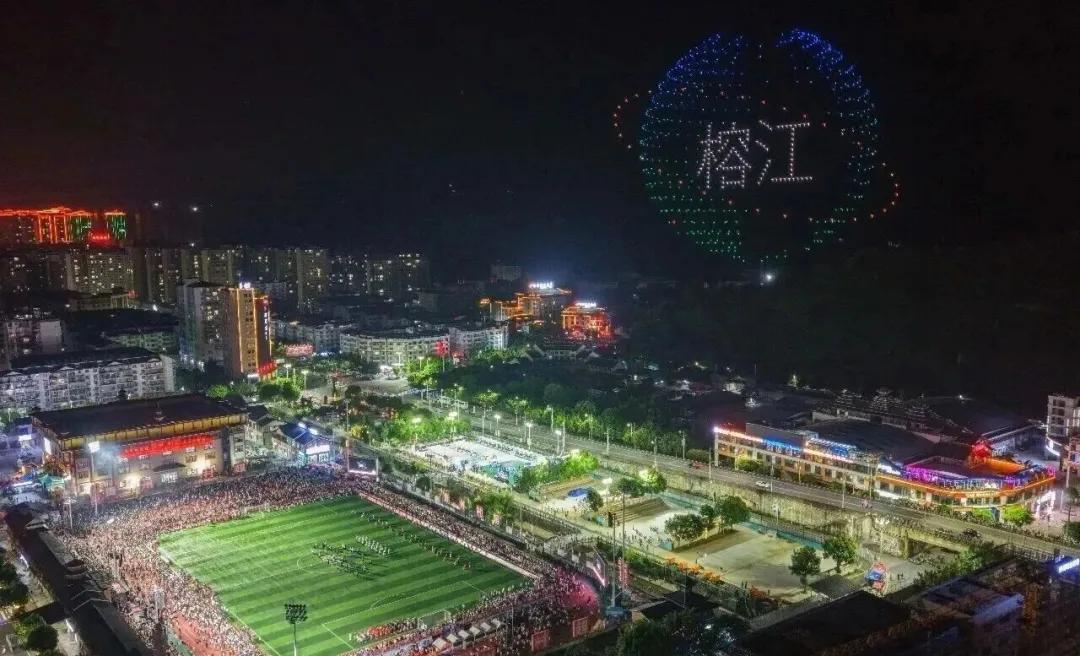
"Cun Chao" creates a football atmosphere, "School Super League" popularizes football, and "Summer Training and Summer Competition" builds a training and competition platform for domestic and international peers and youth. The goal is to raise competitive standards and help revive Chinese football. This is a layout that deeply understands the laws of football and has strategic vision, as well as a plan that cares about the well-being of the people and the future of Chinese football.
From January 23 to February 10 this year, the Guizhou youth training "Winter Training and Winter Competition" was held in Lutun Football Town, Xingyi City, Qianxinan Prefecture, bringing together the province's best teams from three age groups. This unprecedented move is an attempt by the Guizhou Provincial Sports Bureau to expand the event system based on the "Summer Training and Summer Competition," and another piece in the "one chessboard for the whole province" strategy.
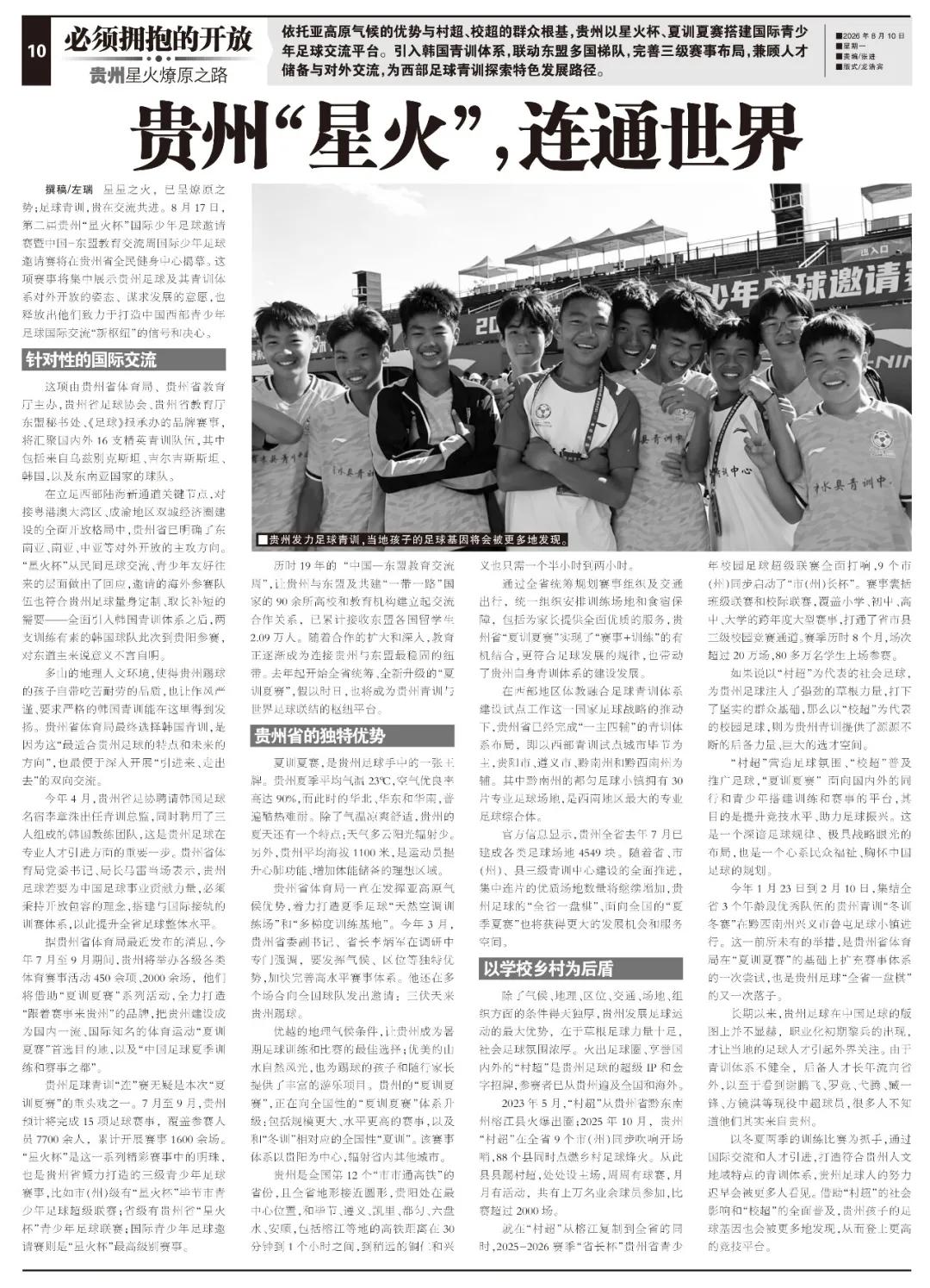
For a long time, Guizhou football has not been prominent on the map of Chinese football. It was only with the emergence of Li Bing in the early days of professionalization that local football talent attracted outside attention. Due to an underdeveloped youth training system, reserve talents have long flowed out of the province, so that many people do not know that current Chinese Super League players like Xie Pengfei, Luo Jing, Yi Teng, Zang Yifeng, and Fang Jingqi are actually from Guizhou.
By focusing on winter and summer training and competitions, and through international exchanges and talent introduction, Guizhou is building a youth training system that suits its local human and geographical characteristics. The efforts of Guizhou football people will eventually be seen by more. With the social influence of the "Cun Chao" and the comprehensive popularity of the "School Super League," the football talent in Guizhou's children will be increasingly discovered, allowing them to reach higher competitive platforms.


Wonderfulshortvideo
vinicius junior transfer real madrid arsenal vini here we go arsenal news today real madrid news today ronaldo real madrid ronaldo edit



A sneak peak at yesterdays opener 👀

Think we might side with Francesca’s idea 😂

The highs & lows of racing 🐎

A different view to yesterday’s Stewards enquiry 👀

Perfectly explained by Francesca 🫶🏻

Keep an eye out for Adaay of Scarlett 👀
 Links
Links
 Contact
 App
App


