



OFFICIAL: UEFA 'revolutionizes' VAR, referees are about to regain authority


UEFA officially introduced Clear Line, a platform anticipated to create a unified standard for VAR application in European football. The key focus is to reduce excessive VAR interference and restore greater authority to the referees on the pitch.
Main Content
UEFA's New Approach
UEFA officially announced the Clear Line platform on August 11. This is a library of referee situations built to make the interpretation of the Laws of the Game and the use of VAR more consistent and clear across competitions. Clear Line currently includes over 150 situations, along with videos and specific guidelines on how referees should make decisions, as well as when VAR should or should not intervene.
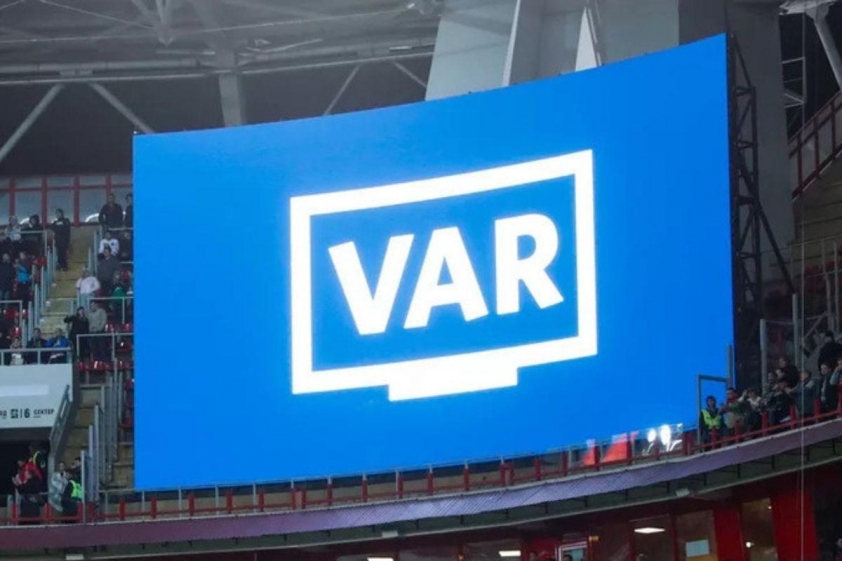
What makes Clear Line special is that it is not only built for referees. UEFA has made this platform publicly available so that players, coaches, commentators, media, and fans can all access it, thereby better understanding the reasoning behind controversial decisions on the field.
The referee chiefs of UEFA's member associations have also supported Clear Line as a common reference framework, aiming for more consistent application both in domestic leagues and in UEFA-organized competitions.
VAR Will Reduce Over-Analysis of Every Detail
Behind the launch of Clear Line lies a long-standing debate in football: how far should VAR intervene?
UEFA's message is quite clear. VAR should be used to correct "clear and obvious" errors or important situations that the referee missed, rather than becoming a second layer of officiating that rechecks almost every decision on the pitch.

This is also what UEFA agreed upon with the referee leadership of all 55 member associations during a meeting in late July. The governing body of European football emphasized that VAR should not be used to "re-referee the match," but only to support the main referee.
UEFA also pointed out a very recognizable sign: if a situation requires rewinding, zooming in, and analyzing for too long to determine that the on-field referee was wrong, then it is likely not a "clear and obvious error." Therefore, UEFA wants to limit these prolonged checks.
In other words, under the new direction, VAR will not disappear or reduce its technological role, but the threshold for VAR intervention will be more clearly emphasized.
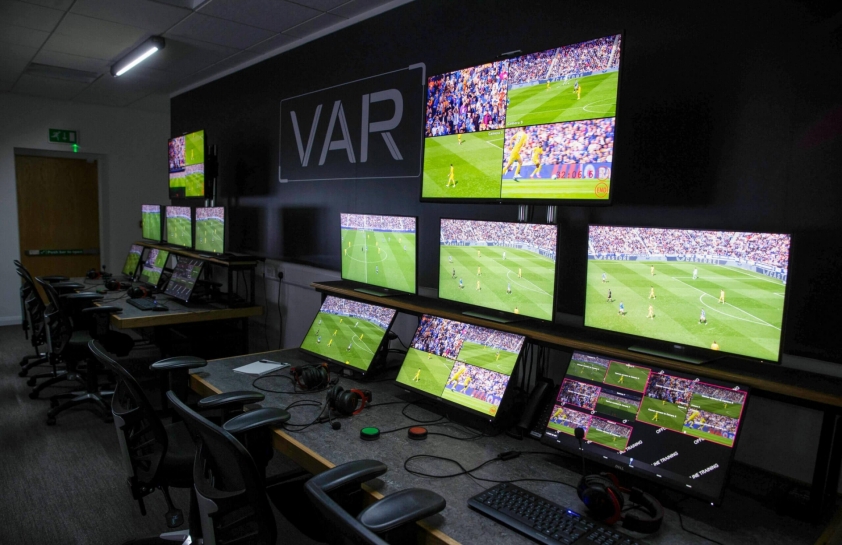
The Main Referee Returns to the Center
Mr. Roberto Rosetti, UEFA's Director of Refereeing, stated that Clear Line was built to provide clear guidelines for European referees and to make VAR usage more consistent across competitions. UEFA's goal is not only to reduce controversy but also to restore the main referee's position in managing the match.
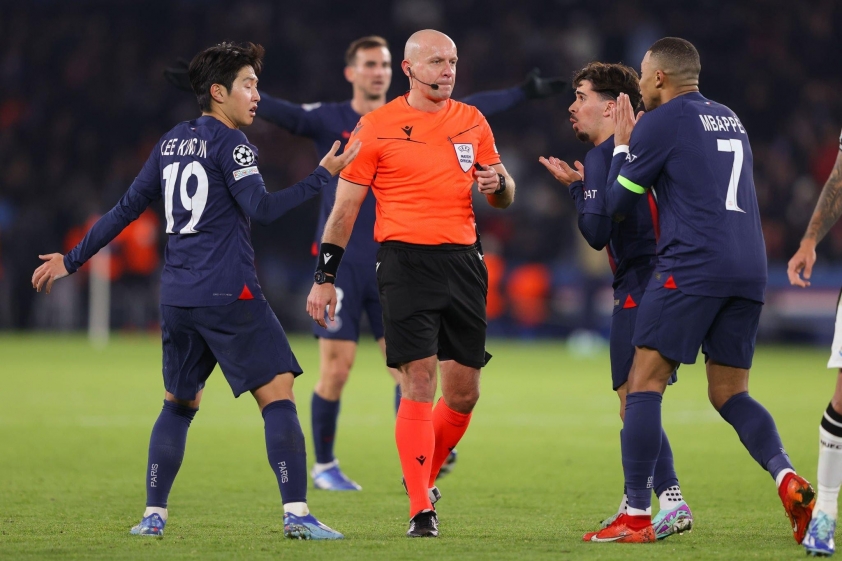
In recent seasons, VAR has often been criticized for intervening in very minor interpretative situations. A collision might be reviewed from multiple angles, slow motion, or zoomed-in images, sometimes leading to a final decision that differs greatly from the initial perception of the incident at real speed.
With Clear Line, UEFA aims to create a more recognizable "boundary": if the on-field decision is not clearly wrong, VAR should limit its intervention. This is the spirit UEFA reiterated ahead of the 2026/27 season.
Clear Line will continue to be updated as new situations arise or when a type of decision requires further explanation. This means UEFA is building an open library that can evolve continuously, rather than a fixed set of documents.
After years of VAR being at the center of numerous controversies, UEFA is trying to bring the technology closer to its original purpose: serving as a tool to help referees correct truly obvious mistakes, rather than searching for errors in every minor detail of the match.


Wonderfulshortvideo
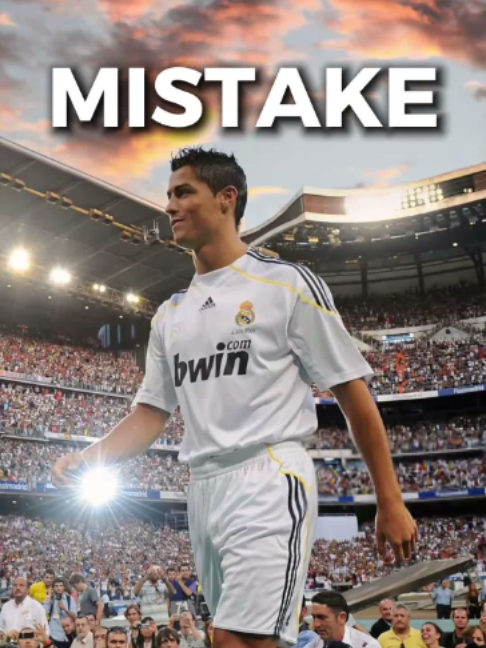
vinicius junior transfer real madrid arsenal vini here we go arsenal news today real madrid news today ronaldo real madrid ronaldo edit



A sneak peak at yesterdays opener 👀
Think we might side with Francesca’s idea 😂

The highs & lows of racing 🐎
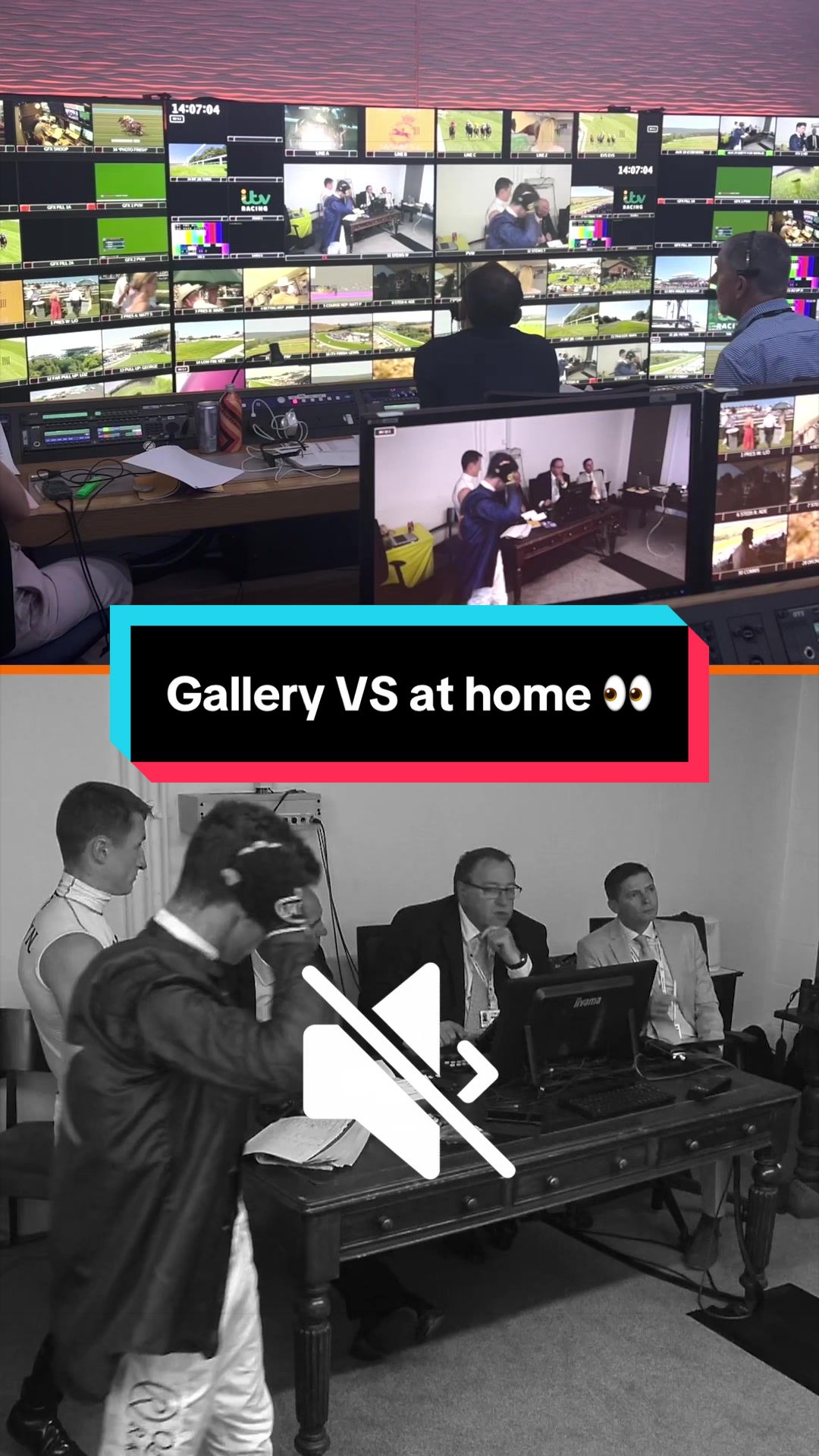
A different view to yesterday’s Stewards enquiry 👀
Perfectly explained by Francesca 🫶🏻

Keep an eye out for Adaay of Scarlett 👀
 Links
Links
 Contact
 App
App


