



Sabalenka criticizes Dubai director's penalty remarks, China's top female player changes as Wang Xinyu replaces Zheng Qinwen


As the Miami main draw just kicked off, off-court topics emerged, each more explosive than the last!
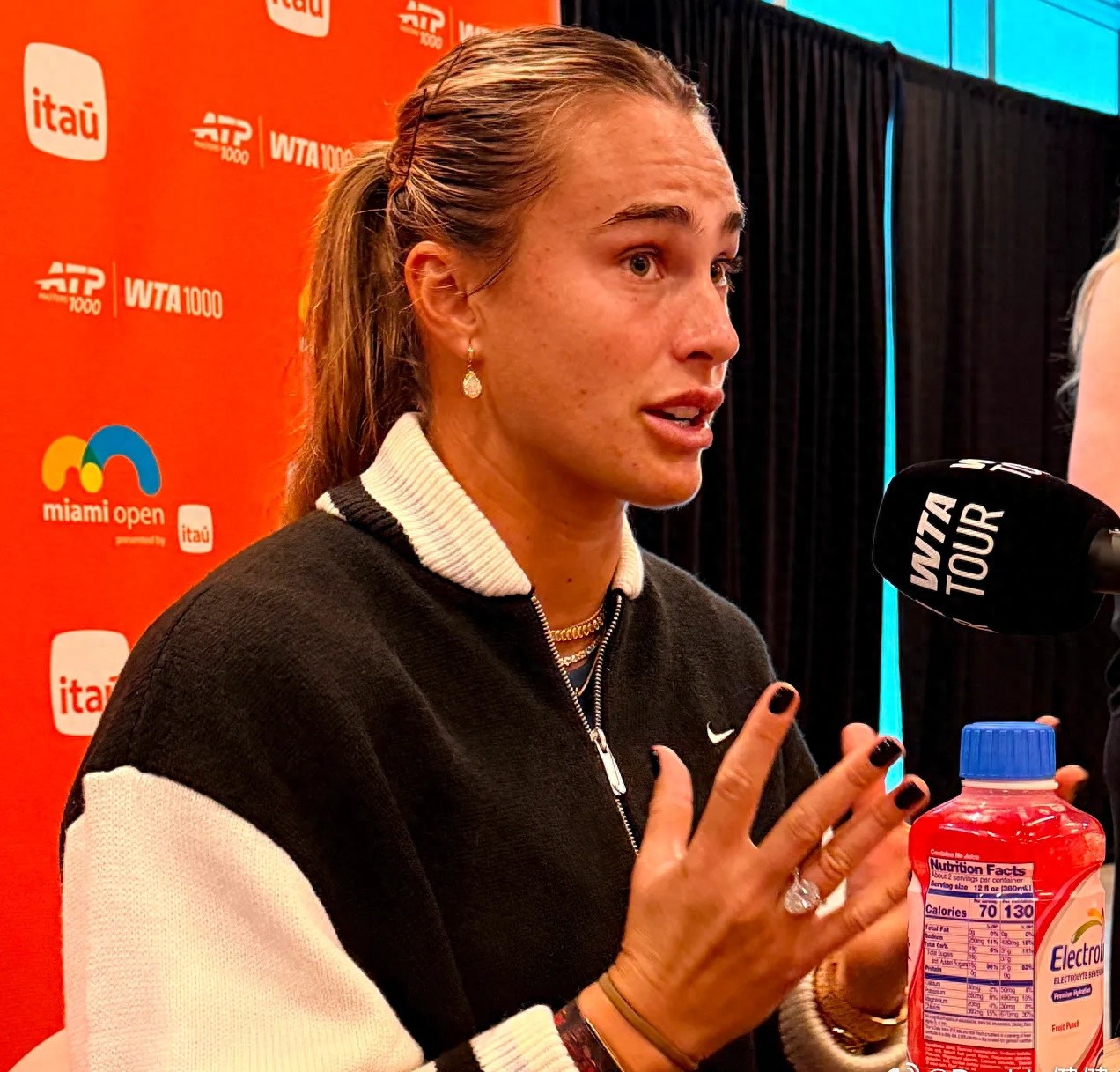
First and foremost, Sabalenka finally broke her silence, publicly responding for the first time to Dubai tournament director Tarak's criticism of her withdrawal!
Even now, many people recall this year's Dubai 1000 tournament, still believing tournament director Tarak's criticism of Sabalenka and Swiatek's withdrawal statements left a profound impression.
At that time, the tournament director claimed that Sabalenka and Swiatek withdrew without injuries or illnesses, dimming the star power of this 1000-level event, and strongly urged relevant organizations to penalize them—not only fines but also point deductions—to deter such incidents from recurring.
While discussing Tarak's remarks, many believed the tournament director was likely overwhelmed by the wave of withdrawals.
This year's withdrawal wave in Dubai was remarkably intense and spectacular. From before the tournament began to during the matches, withdrawals became the main theme, totaling 24 players. This number, disclosed by media and confirmed by tournament director Tarak, immediately sparked widespread astonishment.
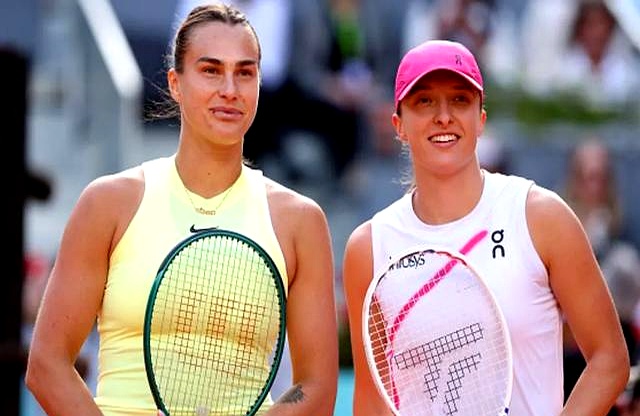
Perhaps because of this, when the tournament director singled out Sabalenka and Swiatek's withdrawals, urging severe penalties, the public found it understandable. After all, a 1000-level event with so many withdrawals disrupted normal scheduling and competitive intensity; moreover, Sabalenka and Swiatek withdrawing without injuries directly reduced the event's prestige. As tournament director, Tarak's anxious outburst seemed natural.
Over a month later, when public discussion faded and everyone thought the matter was over, Sabalenka—who had never addressed it before—suddenly broke her silence during a Miami interview, reigniting the controversy with her statements.
When discussing Dubai tournament director Tarak's criticism of her and Swiatek, Sabalenka directly labeled it as "ridiculous." She implied that players withdrawing for physical or mental adjustment is normal; if, as Tarak suggested, withdrawals without injuries warrant fines and point deductions, it would be excessively harsh.
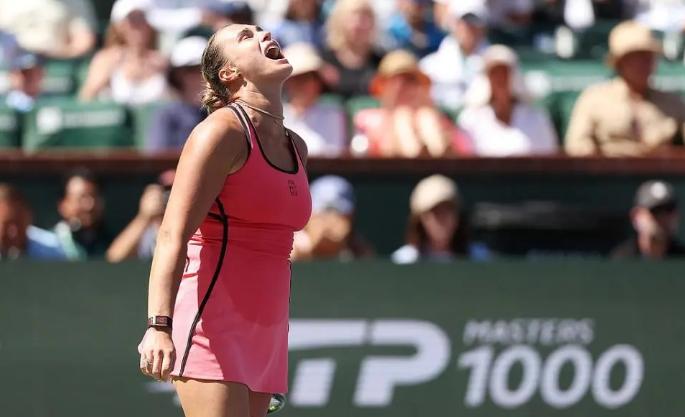
Some fans and netizens siding with Sabalenka argued that players' participation in tournaments is voluntary, not obligatory—they aren't bound by contracts to compete.
Initially, Sabalenka's description of the Dubai director's remarks as ridiculous was seen as sharp and bold. Unexpectedly, the Belarusian player escalated by hinting at a boycott: "I'm not sure if I want to return to compete."
The world number one's statement, disclosed by media, sparked significant reactions. Some fans wondered how the Dubai director would feel knowing Sabalenka reacted so fiercely. If Swiatek followed suit with similar boycott threats, the director might regret his impulsive comments amid the withdrawal chaos.
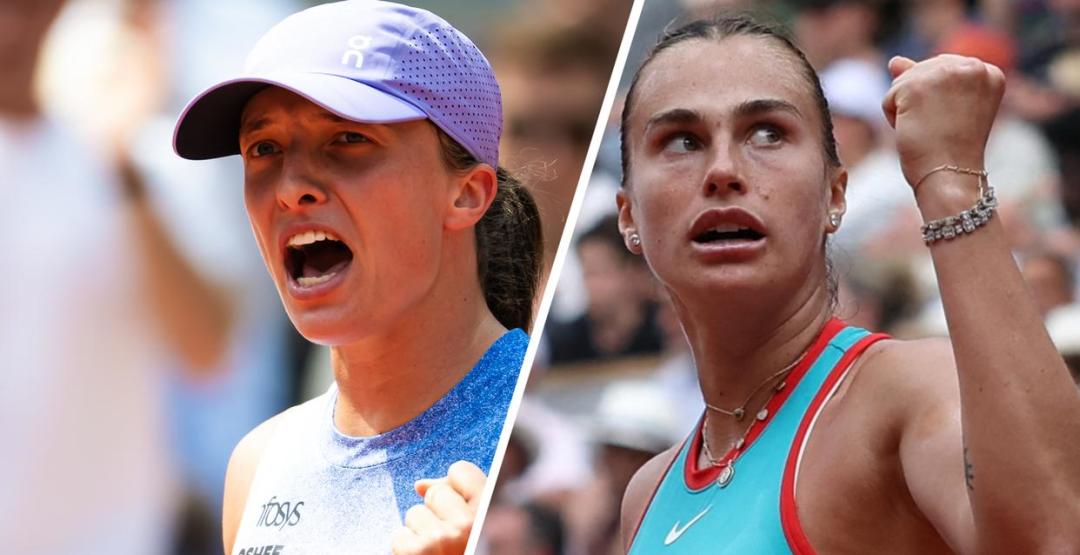
Another topic rivaling Sabalenka's criticism of the Dubai director is: China's top female player changed, with Zheng Qinwen dropping to second place and Wang Xinyu officially taking the top spot.
From the latest live rankings, Zheng Qinwen, after deducting 215 points from last year's Miami 1000 quarterfinals, dropped from No. 26 to No. 33; Wang Xinyu, ranked No. 31, surpassed Zheng to become China's new top female player.
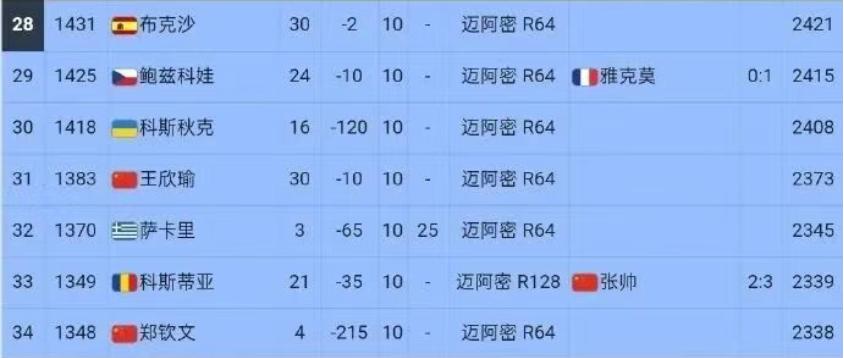
After this occurred, many fans exclaimed it was "too sudden" and sought explanations.
Actually, Wang Xinyu currently leads Zheng Qinwen in live world rankings because she had no points from last year to deduct, whereas Zheng's deduction of last year's quarterfinal points caused the unexpected shift in China's top female player.
Zheng Qinwen first became China's top female player on June 13, 2022. Now replaced by Wang Xinyu as "Zheng second," she held the top position for 45 months.
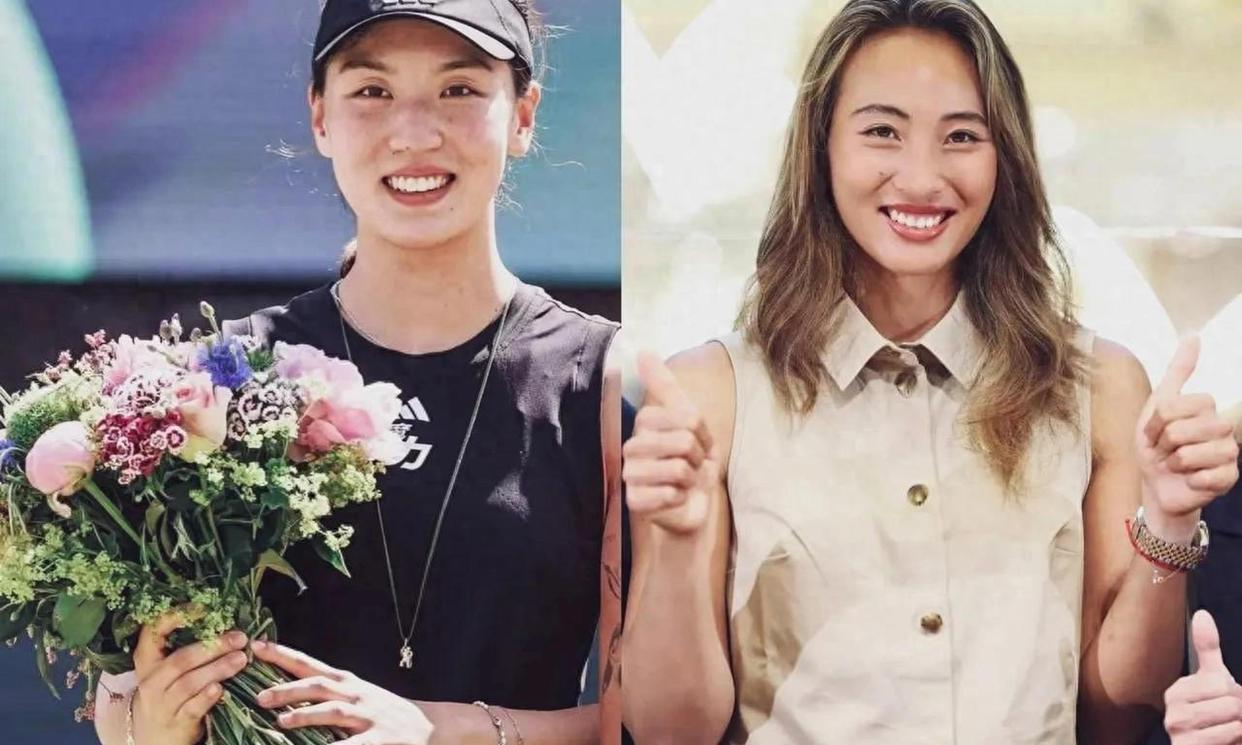
Of course, the point gap between Wang Xinyu and Zheng Qinwen is small, only 35 points. After the Miami 1000 tournament, whether Wang can retain the top spot and if Zheng will quickly reclaim it adds a major highlight to this event.(Source: Tennis Home, Author: Moon River's Sky)

 Links
Links
 Contact
Address:UNIT 1804 SOUTH BANK TOWER, 55 UPPER GROUND,LONDON ENGLAND SE1 9E
Number:+85259695367
E-mali:[email protected]
 App
App


