



Safina Criticizes Andreeva: Her Loss Was Deliberate



The 2026 Sunshine Double should have been the stage for 18-year-old Russian rising star Mira Andreeva to solidify her status. A year ago, she burst onto the scene by winning both the Dubai and Indian Wells WTA 1000 tournaments, shocking the tennis world. However, a year later, carrying the title of defending champion, she has suffered consecutive defeats in three tournaments, with the shadow of the "defending champion curse" lingering. Moreover, comments from her compatriot, former world No. 1 Safina, after the Miami tournament—a "deliberate loss theory"—have pushed Andreeva into the spotlight of public controversy.
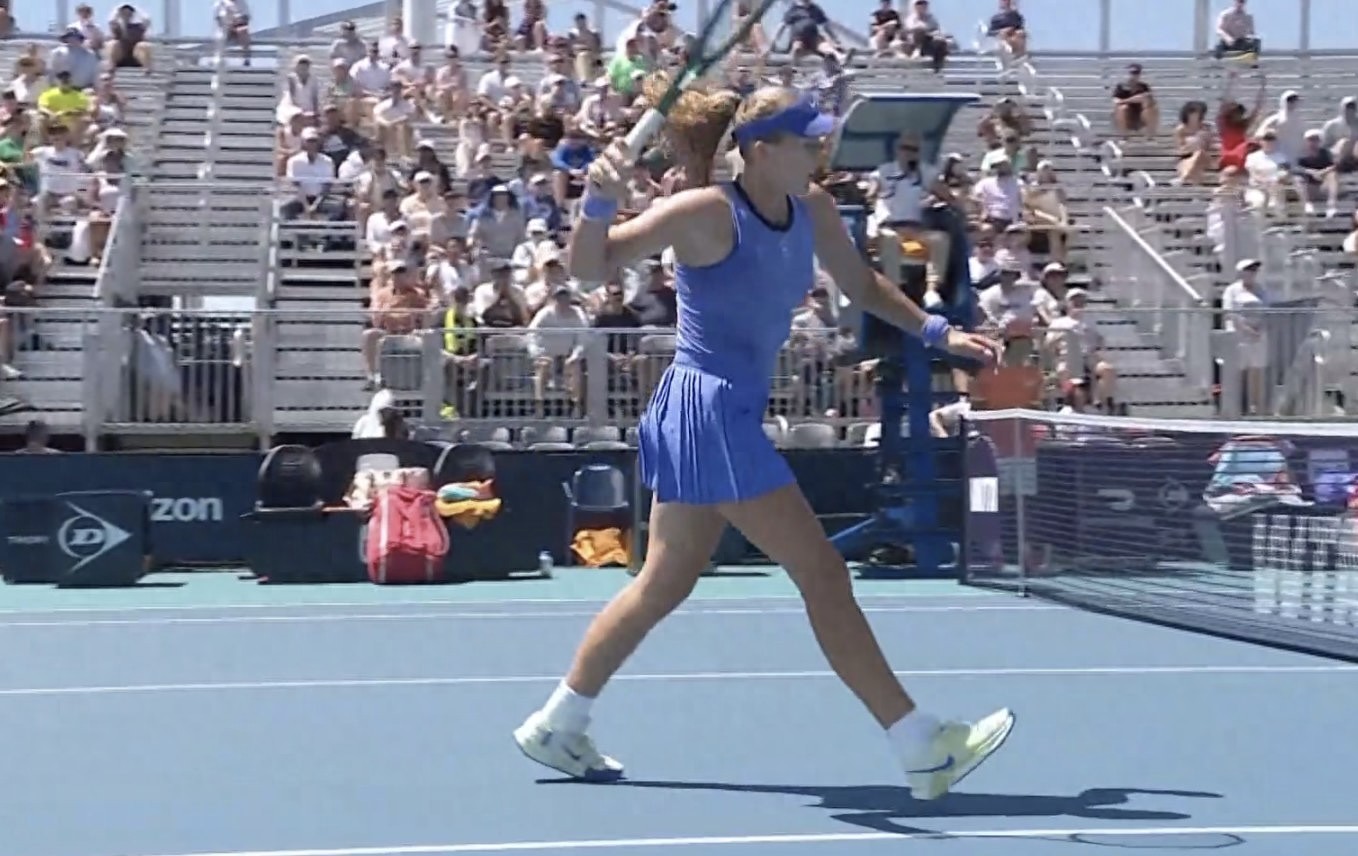
Turning back to 2025, the 17-year-old Andreeva performed miracles consecutively at the Dubai and Indian Wells tournaments. Two WTA 1000 championship trophies catapulted her into becoming the hottest rising star in women's tennis. Her calmness, maturity, and court intelligence beyond her age were praised by numerous前辈.
However, entering the 2026 season, the pressure of defending her titles followed closely. In the quarterfinals of the Dubai tournament, facing Anisimova, Andreeva was reversed after leading, abruptly ending her defending journey. Subsequently, at the Indian Wells tournament, as the defending champion, she suffered an upset loss to doubles specialist Siniakova in the third round, exiting early. The two tournaments that brought her 2000 ranking points last year have now become a heavy psychological burden.
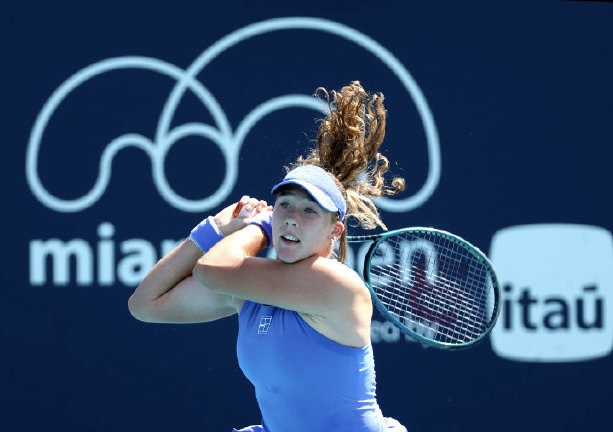
The Miami tournament should have been her redemption ground. As the 8th seed, she faced the 10th seed, her rival Mboko, in a youth showdown in the fourth round. This highly anticipated match ended in a regrettable manner: After losing the first set tie-break, Andreeva pulled back with a 6-4 second set, but then swiftly suffered a glaring 0-6 in the deciding set, missing the quarterfinals.
What truly ignited public opinion was not the loss itself, but the post-match comments from former world No. 1 Safina. This veteran, who reached three Grand Slam finals, issued extremely severe criticism of Andreeva's performance:“I thought she would play a brilliant deciding set, because Mboko was somewhat frustrated after losing the second set, but the start was very strange,” Safina said in an interview, her tone filled with puzzlement and disappointment.
Safina directly pointed at Andreeva's emotional management and match attitude. “You know, I was surprised by her lack of calmness. Her composure during key breaks in the second set, and her focus in the third set... If I recall correctly, Mira's errors sometimes seemed driven by emotion.”
But what most shocked the public was Safina's following statement: “I cannot say she did anything wrong, but she made errors... I felt she was deliberate. From the outside, it looked that way. Maybe I'm wrong, but it seemed after every error, she wanted to return to the team rest area and say: Look, I made a mistake!”
“Of course, I don't know what Mira is currently experiencing. I can only guess she couldn't handle the pressure,” Safina added.
Safina's "deliberate loss theory" quickly sparked controversy. Supporters believed it pinpointed Andreeva's recent match attitude—a 0-6 score in the deciding set is indeed rare among top professional tennis players, especially for a player once known for mental strength. Opponents argued that the term "deliberate" was too severe; for a 18-year-old young player, consecutive defending pressure and external expectations alone are enough to overwhelm anyone, and this更像是 psychological collapse rather than an attitude issue.
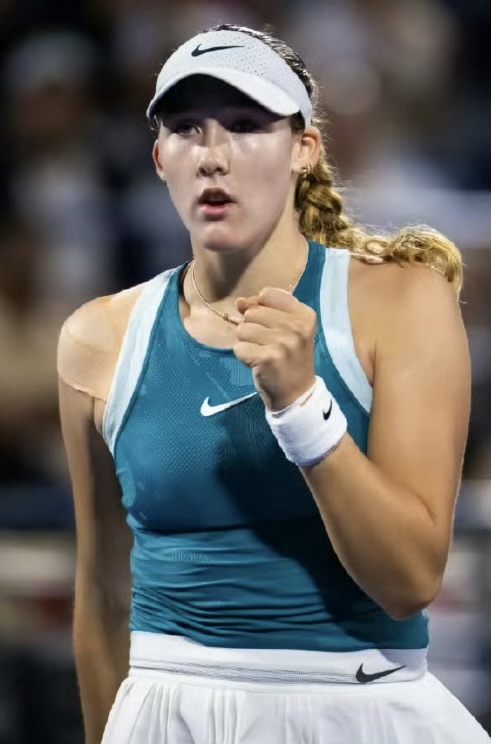
Reviewing Andreeva's recent matches, a clear problem emerges: her emotional management ability under adversity is sharply declining. From Dubai to Indian Wells to Miami, she多次 made puzzling unforced errors on关键 points, and her body language became increasingly negative. The once calm少女 seems to be吞噬 by immense expectations.
Safina's criticism, though harsh, perhaps precisely戳中 the core of the problem: Is Andreeva using some form of self-abandonment to逃避 the enormous pressure of defending? When a player suffers a bagel loss in the deciding set, the外界 has reason to question her mental state.
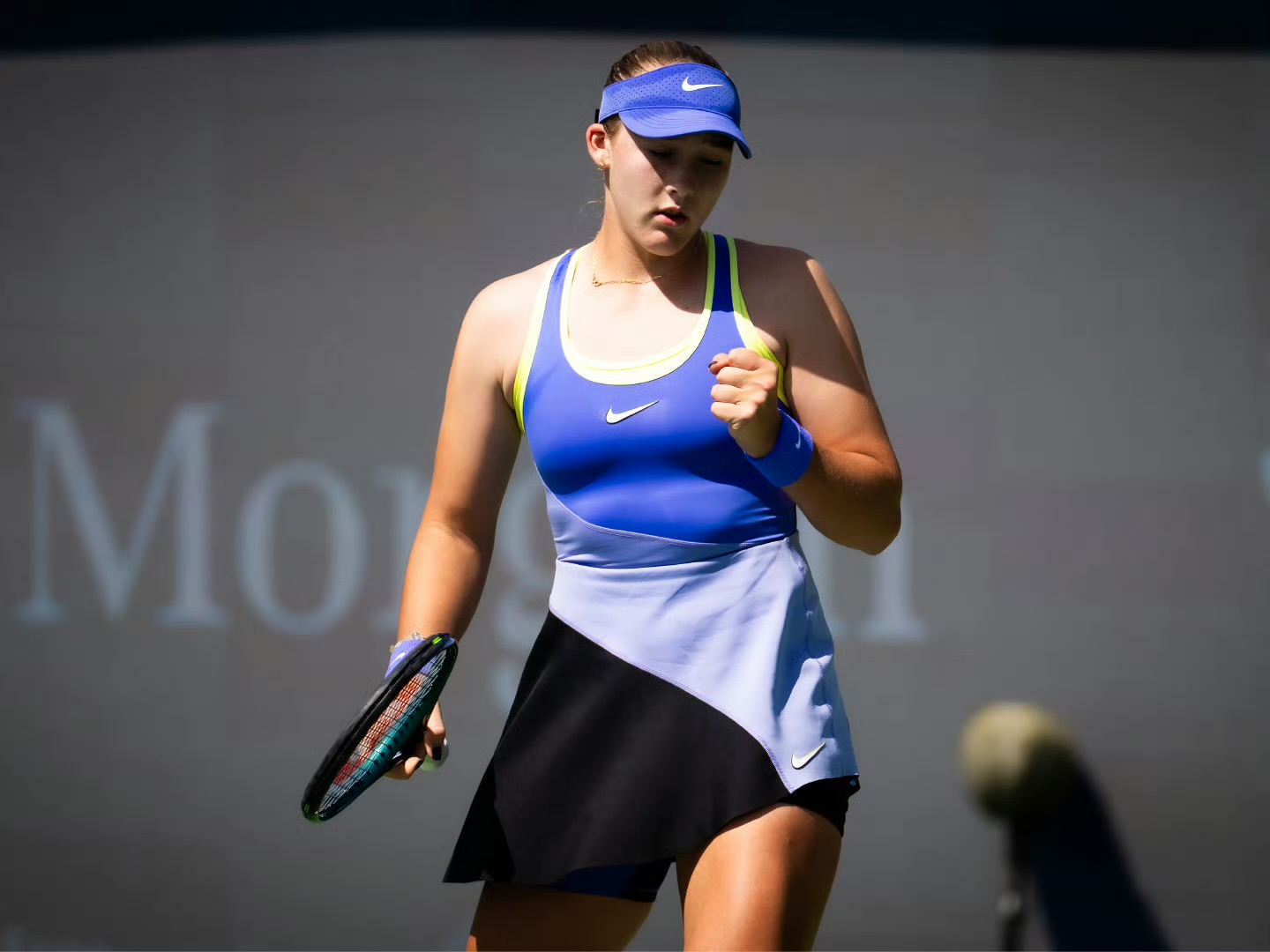
At 18, for a professional tennis player, it is an age both full of hope and fraught with危机. The achievements Andreeva made at 17 have burdened her with expectations disproportionate to her age. And the term "defending," for a young player not yet fully mature,本身就是 a psychological mountain difficult to逾越.
Safina's criticism, whether excessive or not, raises a深思 question: When a天才少女 becomes accustomed to victory and praise, does she possess the ability to stand up again amidst failure and pressure? The calmness and maturity Andreeva displayed in 2025 now seem more like a double-edged sword—it brought her early success, but also left her lacking the necessary psychological缓冲 when facing setbacks.
From a technical perspective, Andreeva's baseline进攻 remains sharp, and her serve and movement continue to improve. But in tennis, at the highest level of competition, psychological factors often determine the execution of technical abilities. When a player loses 0-6 in the deciding set, the problem is早已不在 the technical层面.
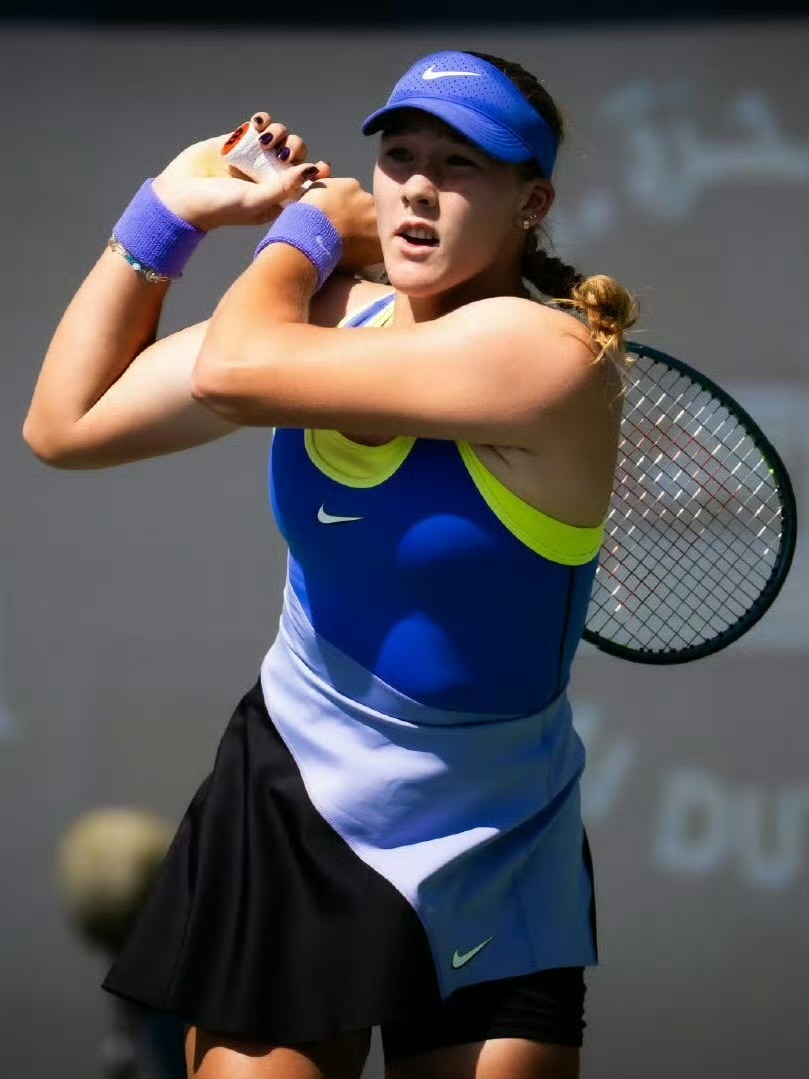
For Andreeva, the start of the 2026 season is undoubtedly the first major setback in her career. Whether it's the defending champion curse or psychological collapse, what truly matters is how she汲取 lessons from these three losses.
Safina's criticism may be刺耳, but as a top player who also struggled under immense expectations, her remarks未尝不是 a form of unconventional concern. In professional tennis, the path from a天才少女 to a true champion is never smooth. Andreeva needs time, patience, and the ability to rebuild confidence amidst setbacks.
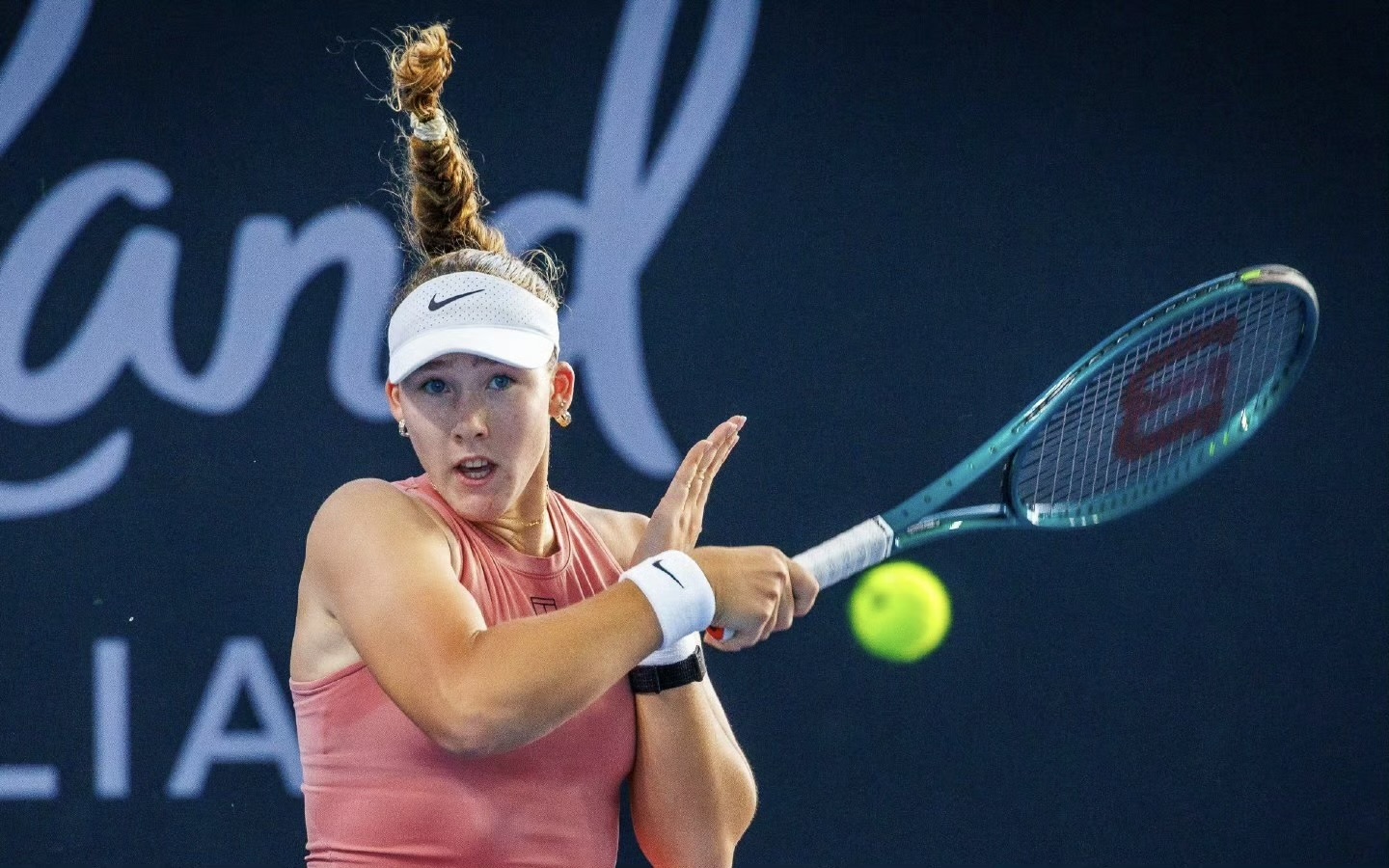
The defending champion curse will eventually be broken, but前提 is that Andreeva can rediscover the self that once made her fearless on the court. When applause and praise recede, when championship points become a heavy burden, true growth is just beginning. For this 18-year-old Russian少女, the road ahead is long, and the current阵痛 may be the必经 path to higher heights.(Source: Tennis Home Author: Mei )

 Links
Links
 Contact
Address:UNIT 1804 SOUTH BANK TOWER, 55 UPPER GROUND,LONDON ENGLAND SE1 9E
Number:+85259695367
E-mali:[email protected]
 App
App


