



Heartbeat as the "Deciding Factor": The Heartbreak of Tennis Players Viewed from Zhang Xuefeng's Sudden Passing



On March 24, 2026, a piece of news left countless people sighing with regret: the well-known education blogger Zhang Xuefeng passed away at his home in Suzhou due to sudden cardiac death, only in his early forties. Just days before the incident, he had posted his running records on social media, having run over 70 kilometers in a month, appearing full of vitality. No one could have imagined that this middle-aged man, who spoke rapidly and passionately during live broadcasts, would suddenly collapse on a treadmill and never wake up again.
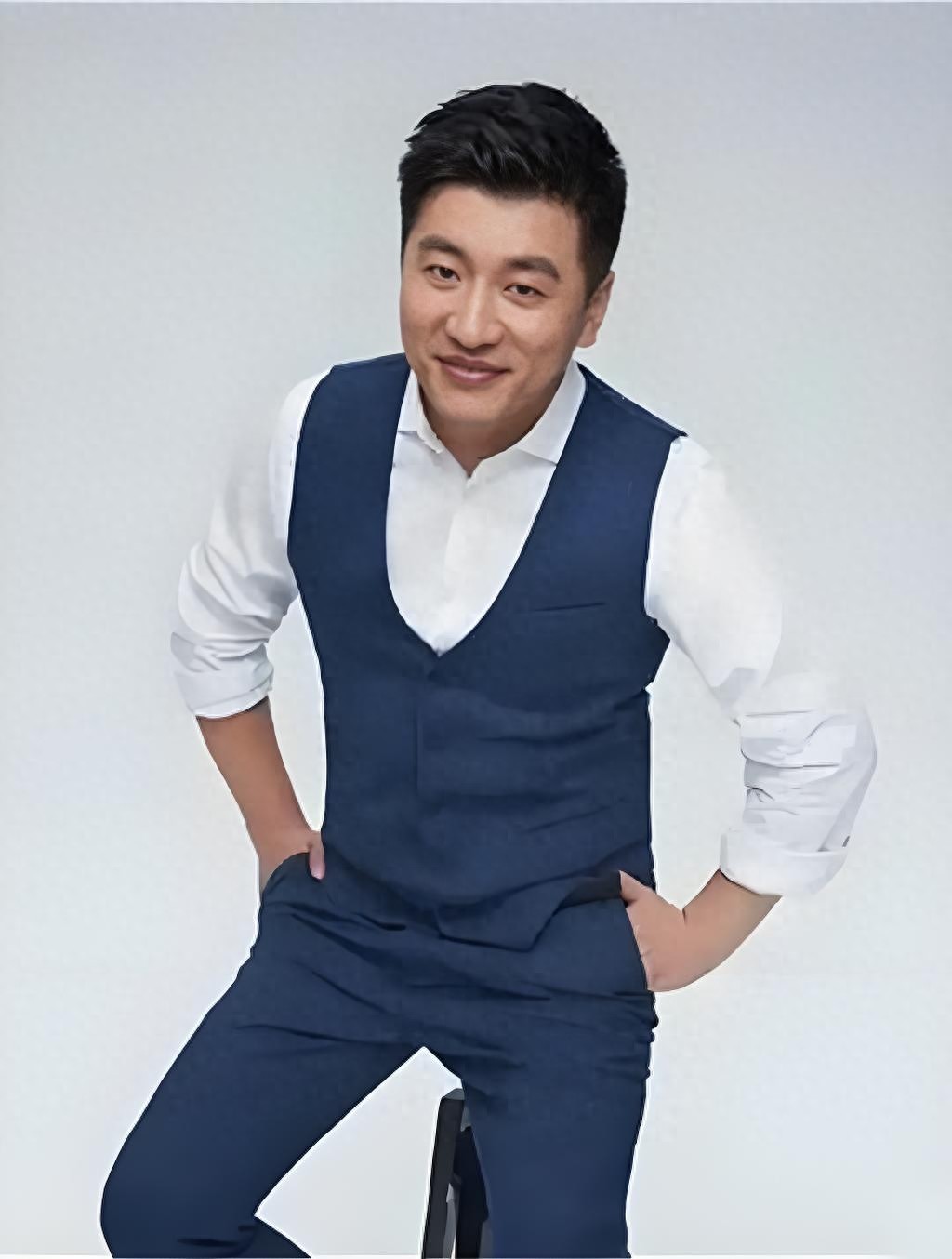
Zhang Xuefeng's departure is heartbreaking, and it reminds me of another group—those tennis players running and swinging rackets on the court. They seem to be the healthiest people in the world, yet they also face severe challenges regarding heart issues. When exercise intensity reaches its limit, when competitive pressure overwhelms the body, that beating heart sometimes becomes the most vulnerable "Achilles' heel."
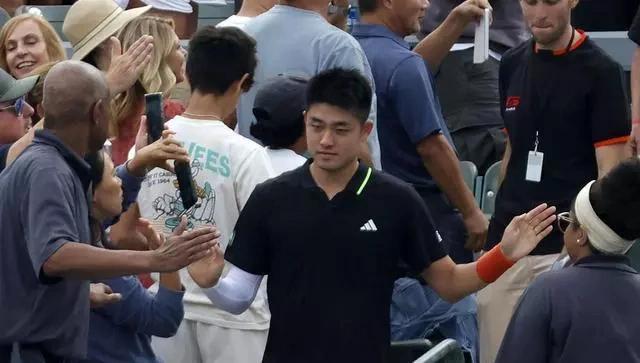
In August 2023, during the ATP500 Washington tournament, Chinese male tennis star Wu Yibing experienced a terrifying moment. He was leading Japanese player Yosuke Watanuki 4-1, in excellent form, but stumbled while walking to his seat during a break and collapsed onto the chair. Ball kids, referees, and opponents rushed to assist him, the medical team urgently used ice bags to cool him down, and Wu Yibing ultimately had to withdraw from the match. What is even more distressing is that this was not his first physical issue on the court. Just a month earlier, during the first round of Wimbledon against American star Frances Tiafoe, Wu Yibing called for a medical timeout due to excessively high heart rate, revealing that his heartbeat had soared to 187. Although he persisted and completed that match, he admitted afterward that bad food the previous day had affected his breathing. Two collapses within a month—one in the locker room, one on the court under public scrutiny. Wu Yibing responded lightly on social media with "I am ok," but everyone knows that behind this casual remark lies the physical limits a professional athlete must confront.
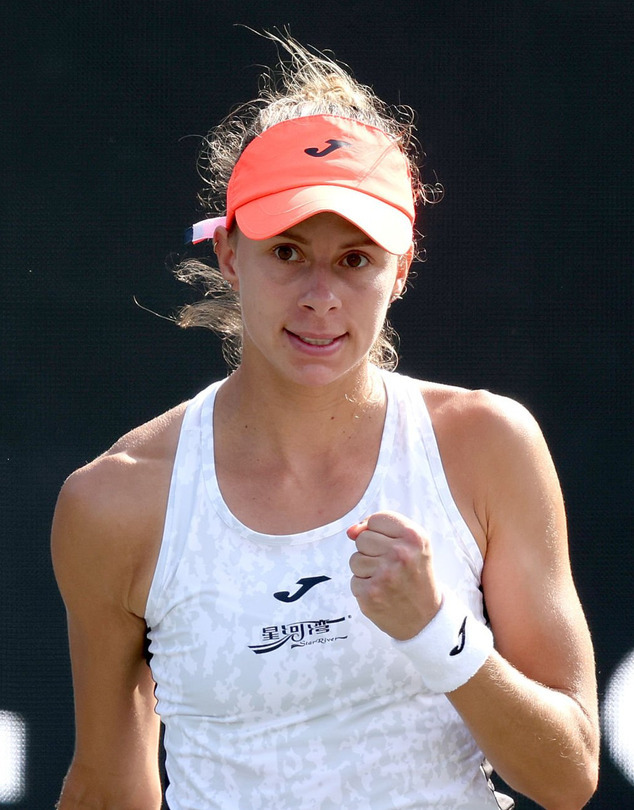
If Wu Yibing's collapse was a warning bell, then the experience of Chinese tennis player Bei Bei is a more thrilling "life-or-death gamble." In 1998, at just 12 years old, Bei Bei was diagnosed during a medical checkup with "patent ductus arteriosus"—a congenital heart defect. This condition does not significantly impact ordinary life, but for a child determined to pursue a professional tennis career, it posed a fatal risk. At that time, her family almost unanimously opposed the surgery, especially her uncle who studied medicine, urging her to abandon tennis and focus on studies. But Bei Bei's response was simple: "I play quite well, I cannot stop playing, I want to play." Thus, this teenage girl had six springs implanted in her heart, each costing over 8,000 yuan, making the surgery expenses astronomical. She won the gamble—the surgery succeeded, she returned to the court, and later became one of China's tennis stars. But this victory was not without cost. Bei Bei's career was consistently accompanied by injuries—cartilage wear in her knees requiring lubricant injections, repeated ankle and wrist injuries. During the 2014 US Open semifinals, she was severely exhausted and was eventually wheeled off the court. That heart supported by six springs carried her through countless high-intensity matches, but every intense beat was like walking on a tightrope.
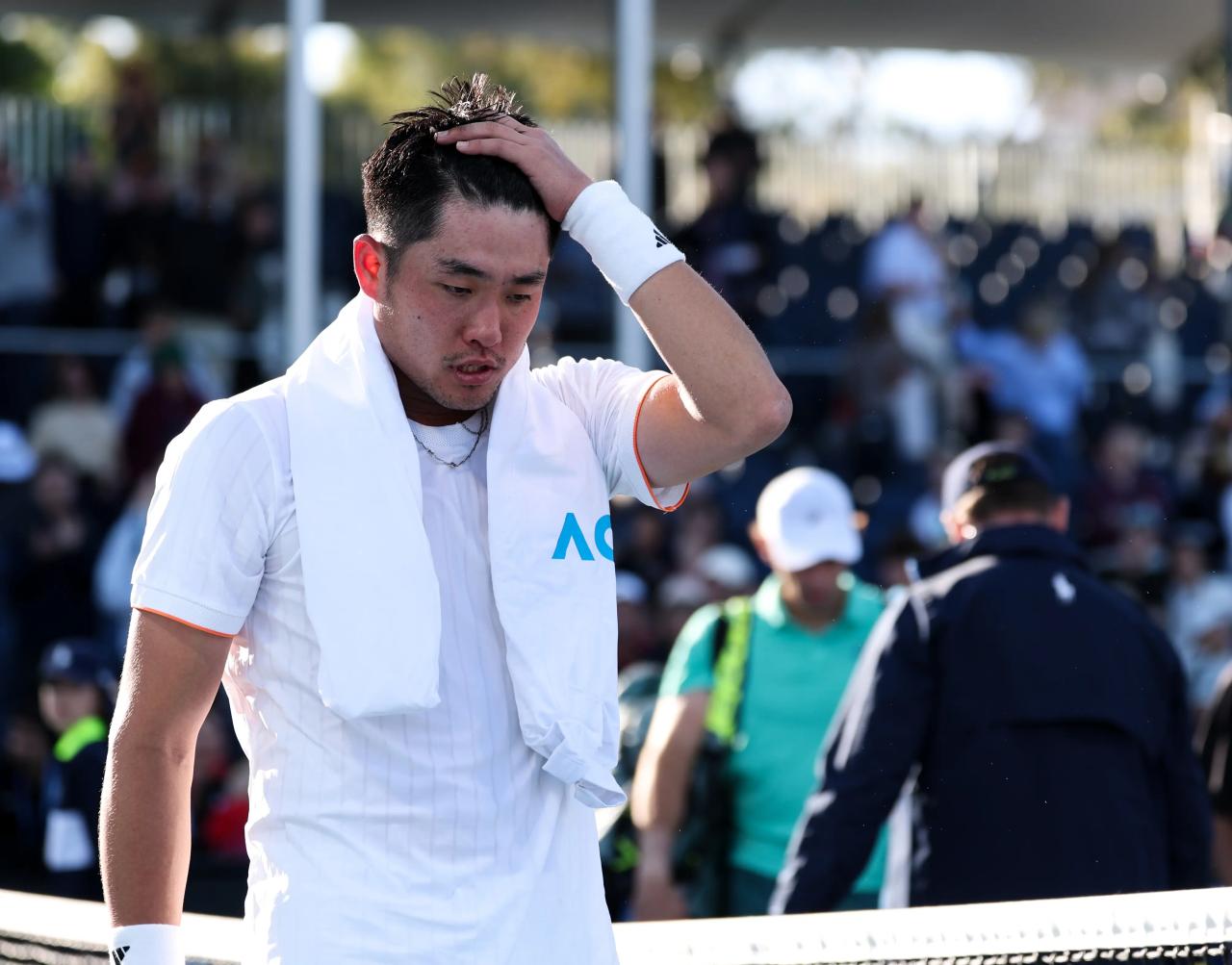
Exercise-induced sudden death is not alarmist talk. Data shows that 90% of exercise-induced sudden deaths are caused by heart disease, with about one-third attributed to hypertrophic cardiomyopathy. High-intensity training and competition increase cardiac burden; during exercise, sympathetic nerves are excited, catecholamine secretion surges in the body, potentially leading to unstable electrical activity in the heart, inducing ventricular tachycardia or even ventricular fibrillation. Some studies indicate that in exercise-related cardiac arrests, 96% occur in males, with a median age of 58, but risks for young athletes are equally不容忽视—for athletes under 35, hereditary or congenital heart abnormalities are the main causes of death, particularly hypertrophic cardiomyopathy or coronary artery anomalies. This means that professional players like Wu Yibing and Bei Bei are gambling with their hearts every time they sprint全力冲刺 or make极限救球 on the court. When Wu Yibing collapsed in Washington, the local高温湿热天气 was undoubtedly a trigger; when Bei Bei was wheeled off at the US Open,体能透支 was just the表象, the root cause was that先天不足 heart承受了太多负荷.

Zhang Xuefeng has passed away, leaving behind a promise of a billion yuan存款 for his daughter and an arrangement that "the company accounts will always保留200个人半年工资." He stated bluntly during his lifetime: the结局 for internet celebrities is twofold—either they fade from popularity, or they pass away. His words proved prophetic. And aren't tennis athletes struggling within a similar宿命? When Bei Bei was 12 years old, sitting on a病床 wearing条纹病号服, facing劝阻 from doctors and family, she simply said, "I want to play." Wu Yibing persisted to finish a match with a heart rate of 187, and after collapsing merely said, "I'm okay." They are not unaware of the risks; it is their love for tennis that makes them willing to拼 with their lives.
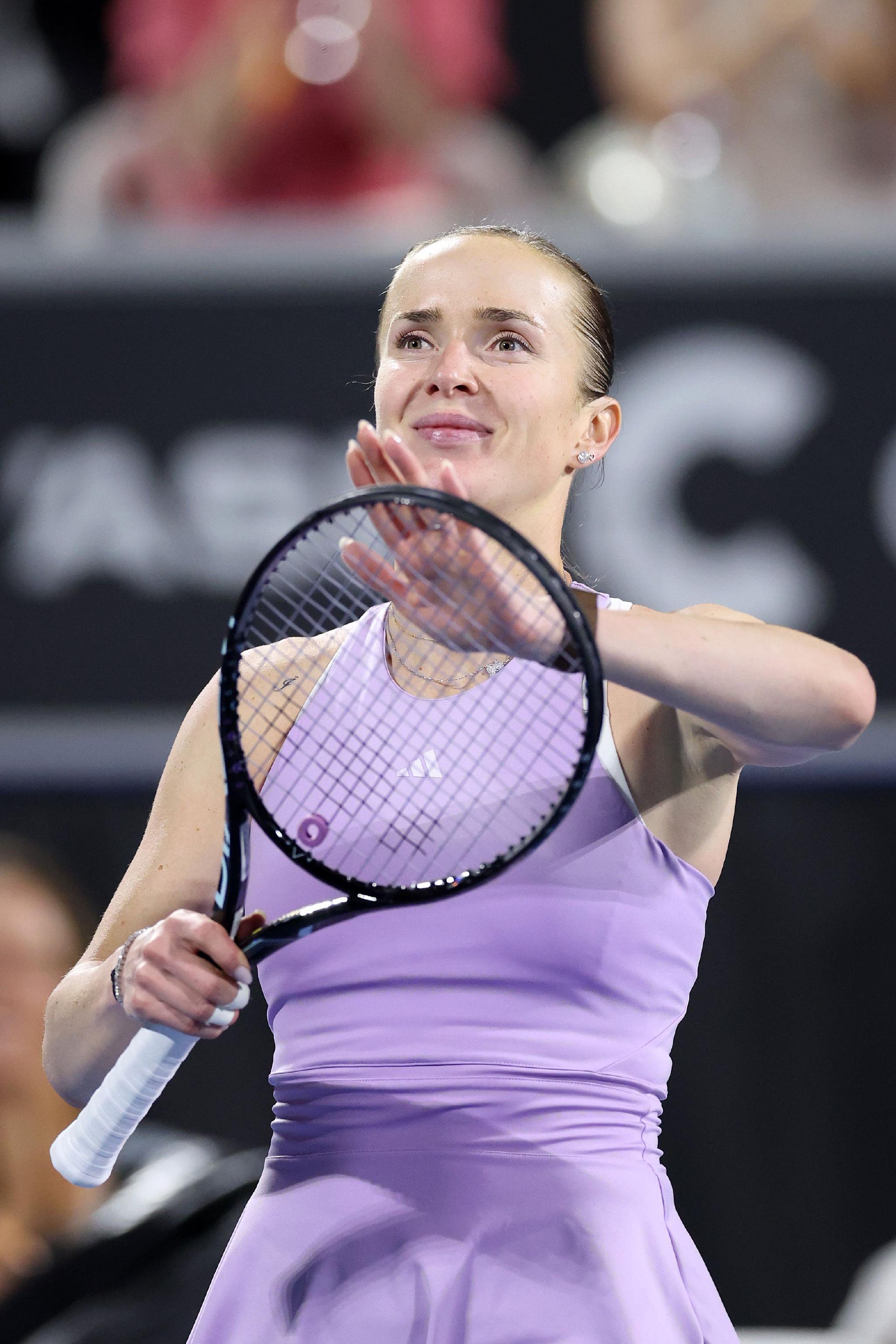
But risks ultimately exist objectively. Zhang Xuefeng's passing serves as a reminder to all those pushing themselves hard: don't always think youth allows reckless exertion; work belongs to the boss, but life belongs to oneself. Similarly, for tennis players, achievements belong to the观众, but the heart belongs to oneself. Medical experts指出 that many athletes' sudden death cases can be avoided through sufficient检查—the European Society of Cardiology recommends cardiac screening for individuals with cardiovascular risk factors or who are sedentary and准备开始高强度运动; for young athletes, detailed病史 and心电图 are also necessary preventive measures.
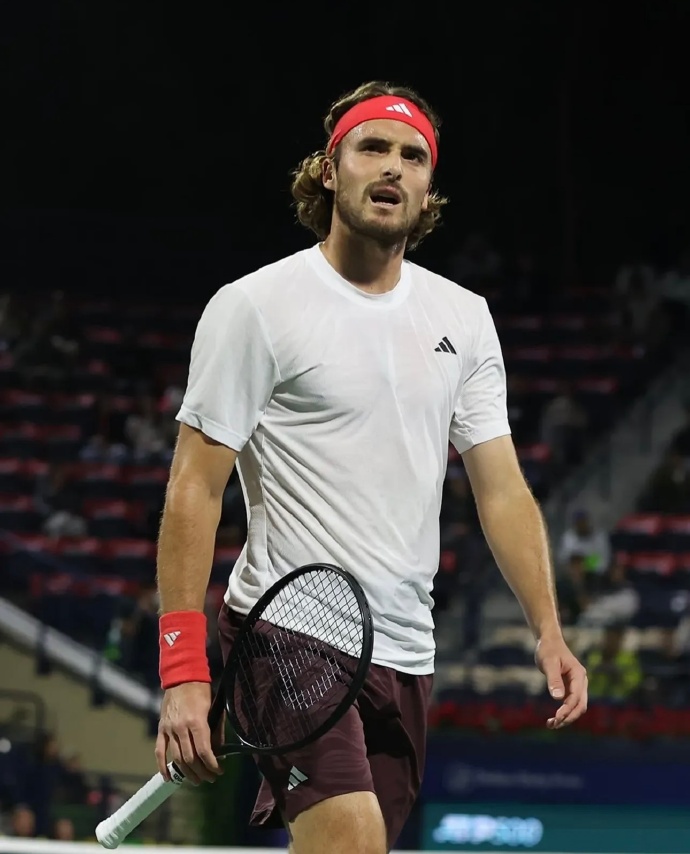
Zhang Xuefeng's departure reveals the残酷 of sudden cardiac death—it can带走 a seemingly energetic,运动-loving middle-aged person without warning. The heart issues of tennis athletes揭示 another layer of残酷: some risks are注定 from birth, yet they choose to挑战命运 with手术刀 and汗水. Bei Bei once said in an interview: "Perhaps not all付出都会有回报, I am very happy to have come this far, and I also feel very幸运." This幸运 comes from the支撑 of six springs, from countless抗争 against injuries, and from that执念 of "I want to play."

But幸运 should not be the sole reliance. Whether in普通人健身 or on职业运动员赛场, heart health should not be忽视. Regular体检,科学运动, respecting the body's警告信号—these "老生常谈" suggestions weigh heavily in the face of Zhang Xuefeng's黑白头像, on the court where Wu Yibing collapsed, and before the six springs in Bei Bei's heart. After all, a lost match can be重新再来, but if a person is没了, they are truly gone.(Source: Tennis Home Author: Xiao Di)

 Links
Links
 Contact
Address:UNIT 1804 SOUTH BANK TOWER, 55 UPPER GROUND,LONDON ENGLAND SE1 9E
Number:+85259695367
E-mali:[email protected]
 App
App


