



From Australian Open Heartbreak to March Redemption: Sabalenka Triumphs in Both Love and Career


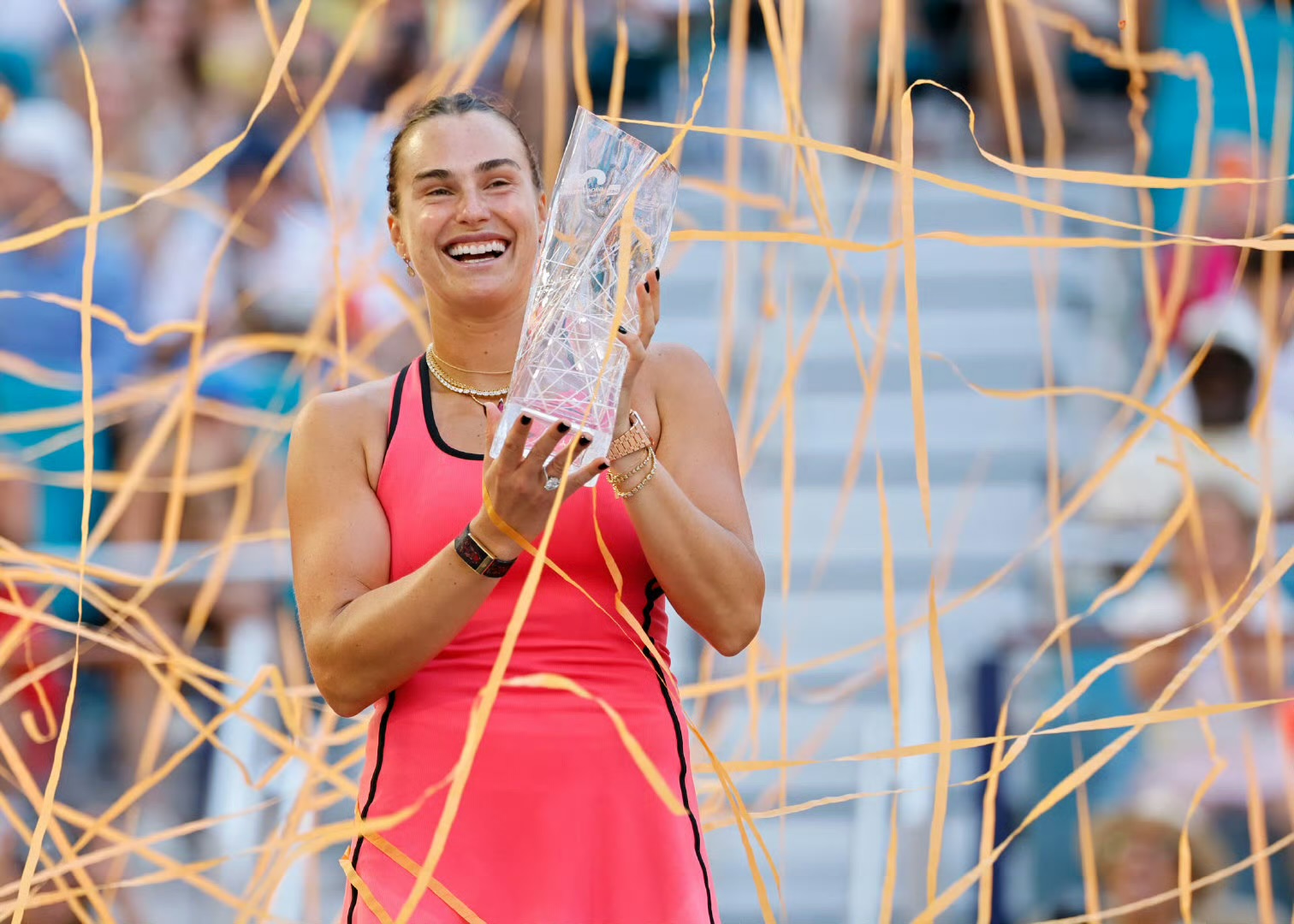
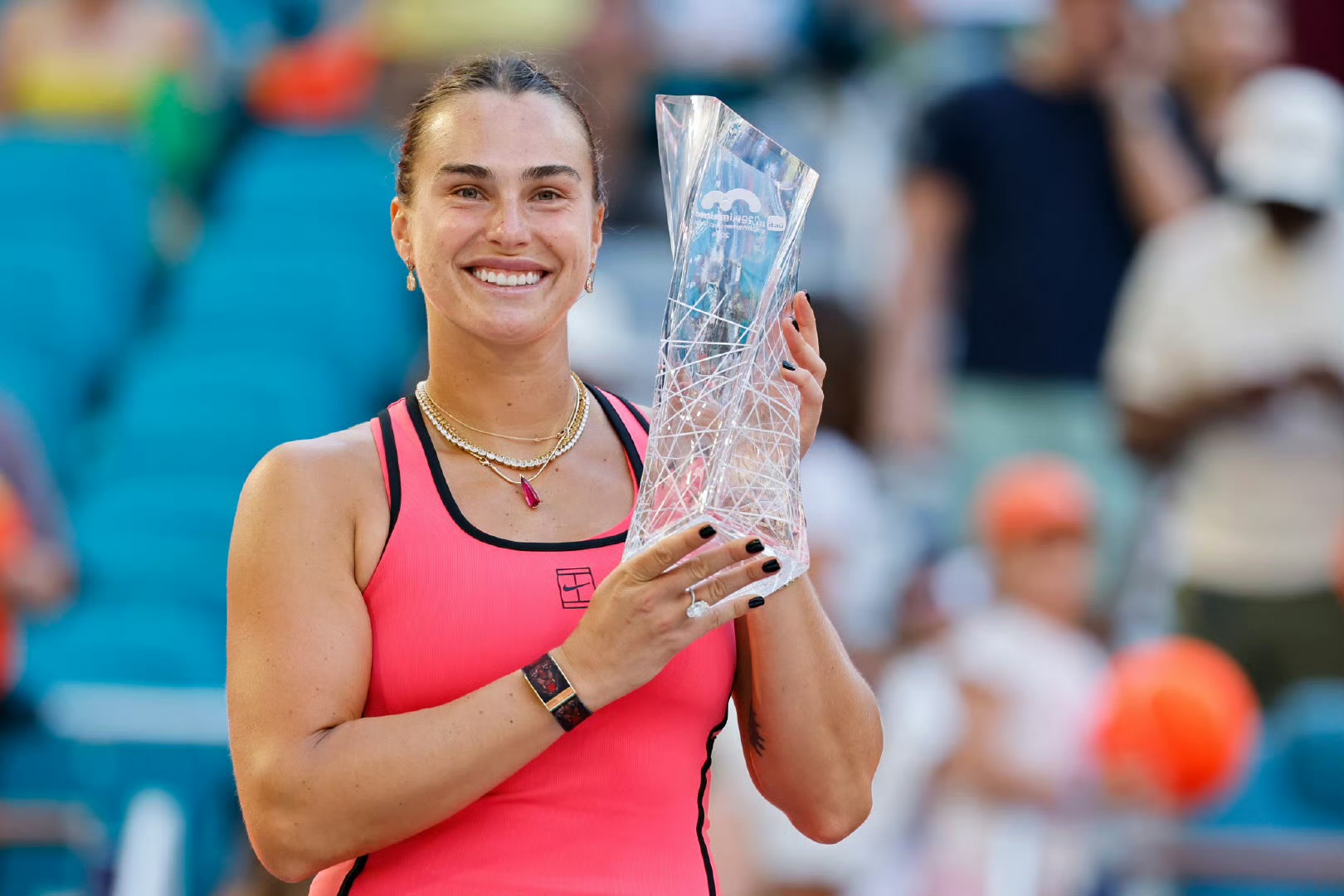
Sabalenka stood on the podium at Miami's center courtholding the championship trophy, her face lit up with an irrepressible smile. 6-2, 4-6, 6-3—the scoreboard recorded the grueling result of her victory over Gauff, yet it couldn’t fully capture the entire significance behind this win. This was not only a successful defense of her Miami title, but also the final piece of a perfect March.
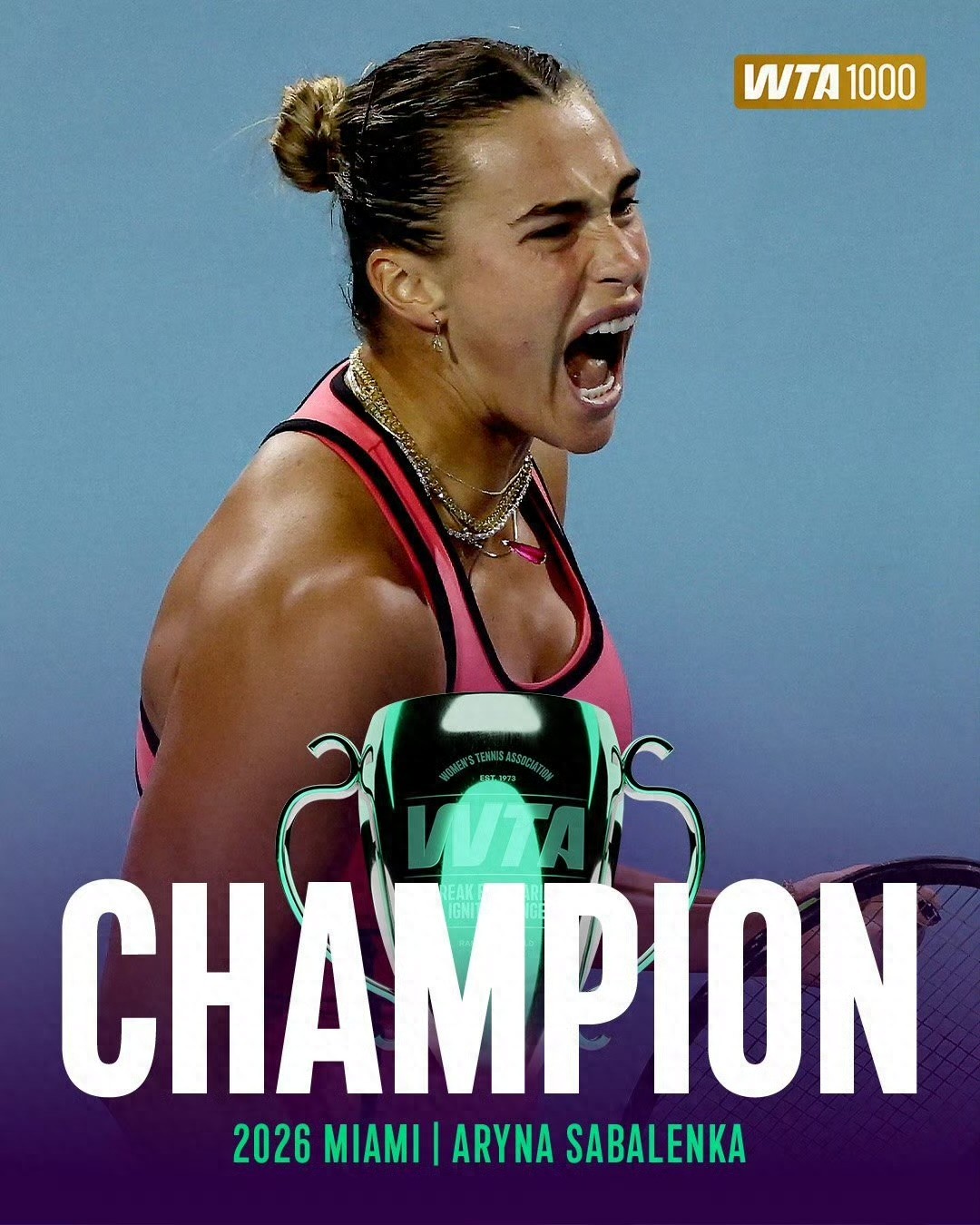
Early in March, Sabalenka shared the joyful news of her engagement on social media! Mid-March, she saved a match point in the Indian Wells final to defeat her toughest opponent Rybakina and claim the title, successfully avenging her Australian Open final loss; Late March, she defended her Miami crown dropping only one set. When the Sunshine Double—the most challenging back-to-back championship achievement in women's tennis—was secured by Sabalenka, she became the fifth female player in history to accomplish this feat, and every name on that list is a legend.
If you only look at the statistics, a 23-1 season start is dominant. But Sabalenka knows how painful that "1" was—the Australian Open final loss was the third final she lost in her last five Grand Slams.She won plenty of matches, yet repeatedly fell short on the most important stages. The girl who grew up on Belarusian soil possesses the most powerful strokes in women's tennis, but was often consumed by her emotions at critical moments.
The transformation happened after the Australian Open. Sabalenka revealed in a post-match interview that she and her team had deep conversations, "digging into the reasons, making repeated adjustments." It wasn't just refining technique and tactics; more importantly, she found a way to handle finals mentally. She even made some adjustments to her racket—these seemingly minor changes played a key role in the two crucial finals in March.
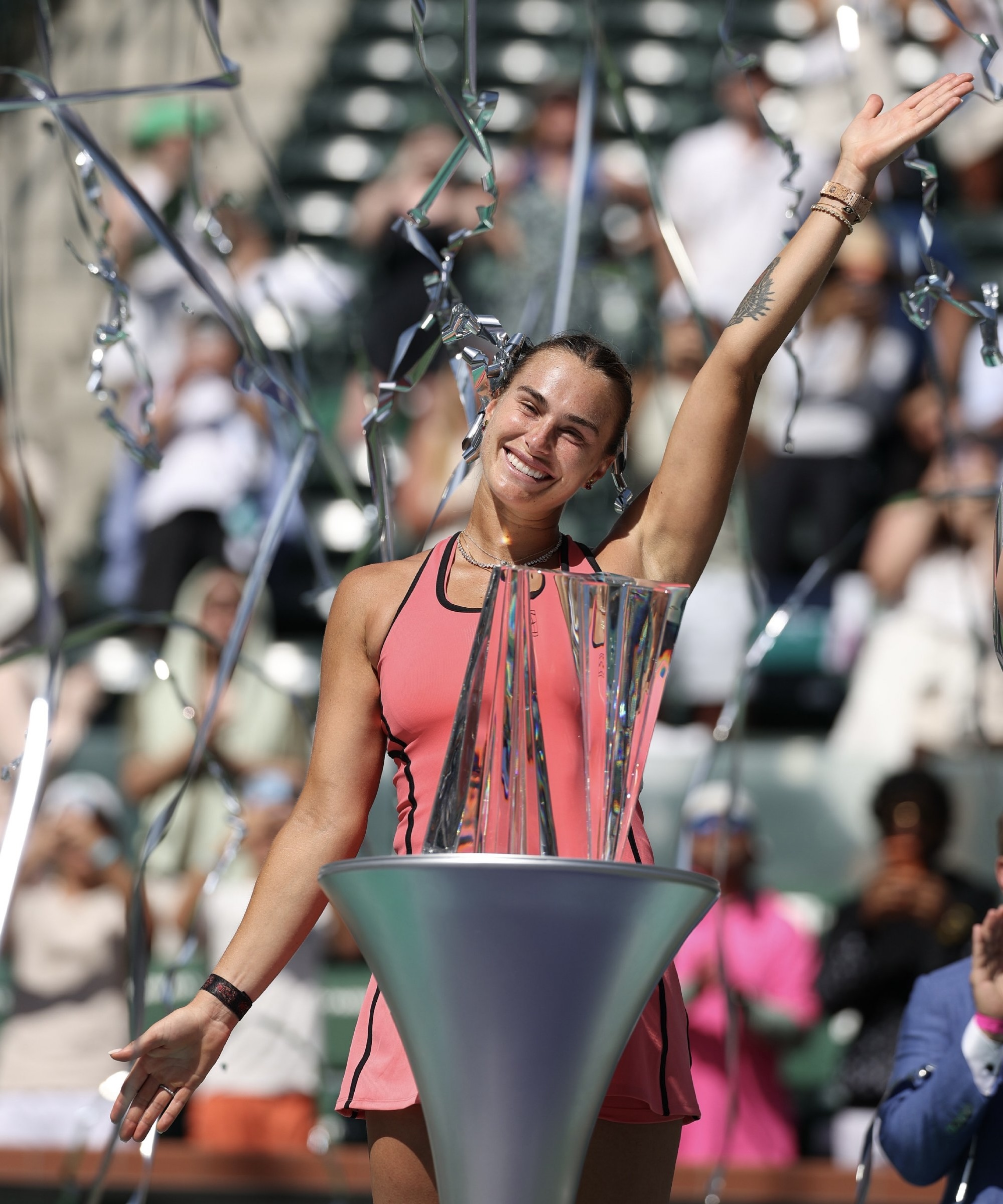
In the Indian Wells final, she faced Rybakina's championship point. In the past, such high-pressure moments might have become her nightmare. But this time, she saved the match point and ultimately lifted the trophy. That victory acted like a key, unlocking a door that had long been closed within her.
In the Tennis Channel interview area after the Miami final, Sabalenka's conversation with the guest was filled with ease and humor.
When asked if her engagement fueled her stellar form, she laughed and said: "That's the plan for April. Maybe get married on April 1st, then April will be a total success; joking, Roland-Garros isn't in April."
The guest followed up: "Then postpone to May, schedule the wedding and a Grand Slam together."Sabalenka responded readily: "Just hold the wedding during a Grand Slam."

Such relaxed demeanor wasn't common in Sabalenka before. In the past, she was often weighed down by her own perfectionism. Now, she can laugh while discussing wedding and match arrangements—this composure precisely stems from her perfect March experience.
"This is definitely one of the best months of my life," Sabalenka said seriously, "engagement, Sunshine Double... It's crazy, I haven't even had time to stop and fully feel everything that happened in March. But this is undoubtedly the best time of my life."
She said she will give everything in April. But before that, she deserves some time to digest this crazy month.
The Sunshine Double—winning consecutive titles at Indian Wells and Miami—is recognized as one of the toughest tasks in tennis. The two tournaments span the east and west coasts of the United States, with differing climates and court conditions, and both are top-tier events packed with strong competitors.
Before Sabalenka, only four female players had accomplished this feat: Graf, Clijsters, Azarenka, Swiatek. Each name represents an era in women's tennis.
Sabalenka achieved it, and in a nearly perfect manner—her Indian Wells match-point-saving victory showcased her psychological transformation, while her Miami defense dropping only one set demonstrated her dominance. This March, she not only won championships, but also won a renewed affirmation of herself.
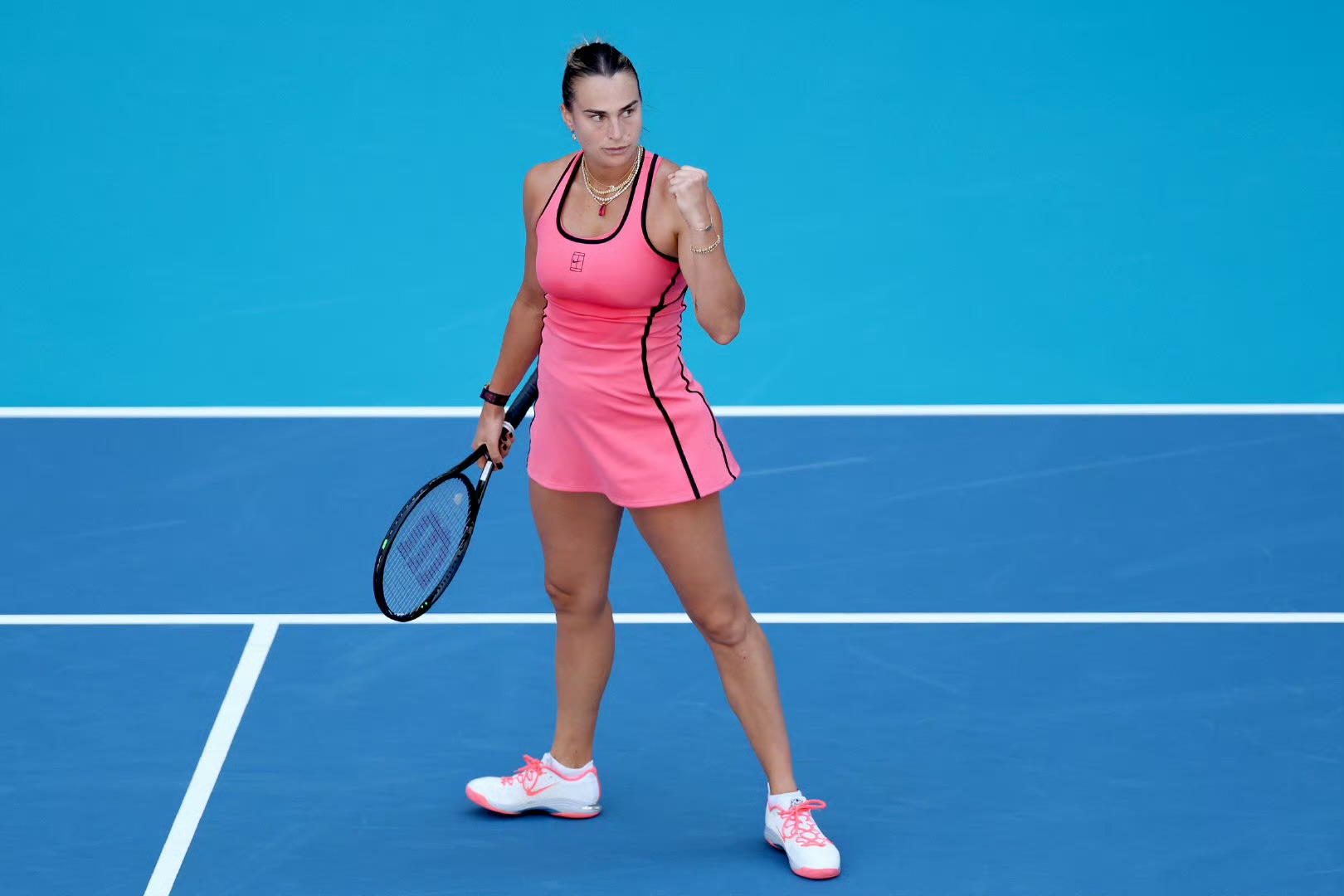
April is approaching, and the clay season is about to begin. Roland-Garros is a territory Sabalenka has yet to conquer, and a crucial stop in her Grand Slam campaign this year.
The Belarusian known for her powerful strokes on hard courts is gradually finding her rhythm on clay. The maturity in mindset, racket adjustments, team cohesion—all these changes that surfaced in March will face more rigorous tests during the clay season.
But Sabalenka's current state is different from before. She is no longer the player who doubts herself at critical moments, but a champion who has just completed her self-redemption, moving toward the next challenge with confidence and calm."I will give everything in April." When she said this, her eyes showed no anxiety, only anticipation.
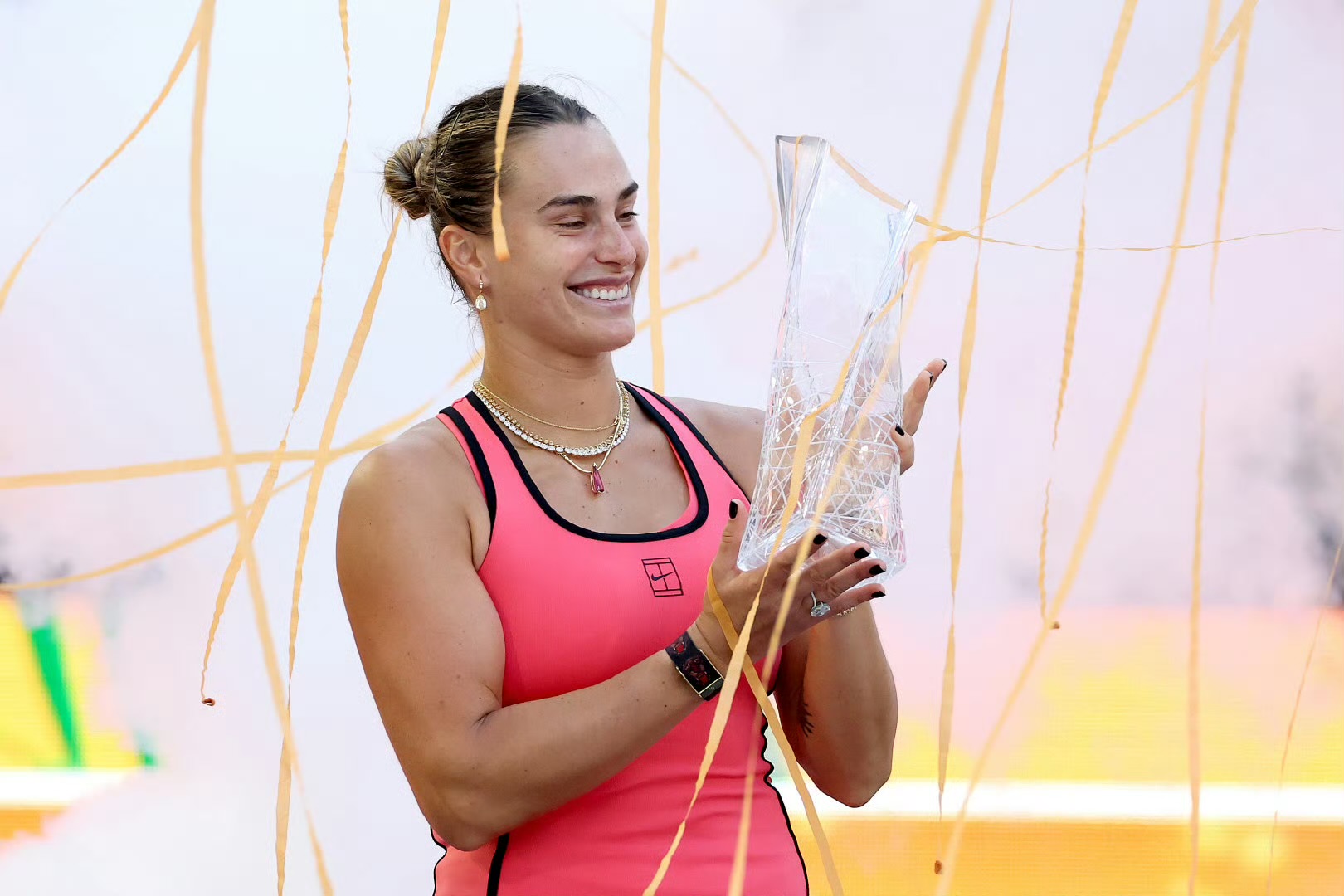
This March, Sabalenka got engaged, won titles, and made history. She transformed from "leaving too many regrets" to "having the best month." The clay season is coming, and this Sunshine Double champion is heading with a fresh mindset to conquer peaks she has yet to reach.
For fans, this is undoubtedly a clay season worth anticipating. Sabalenka, Swiatek, Gauff—these names will continue writing the story of women's tennis of this era on clay courts. And Sabalenka's perfect March storm might just be the beginning of her true blossoming.(Source: Tennis Home Author: Mei )

 Links
Links
 Contact
Address:UNIT 1804 SOUTH BANK TOWER, 55 UPPER GROUND,LONDON ENGLAND SE1 9E
Number:+85259695367
E-mali:[email protected]
 App
App


