



Which is harder to achieve: the Sunshine Double or a Grand Slam title?



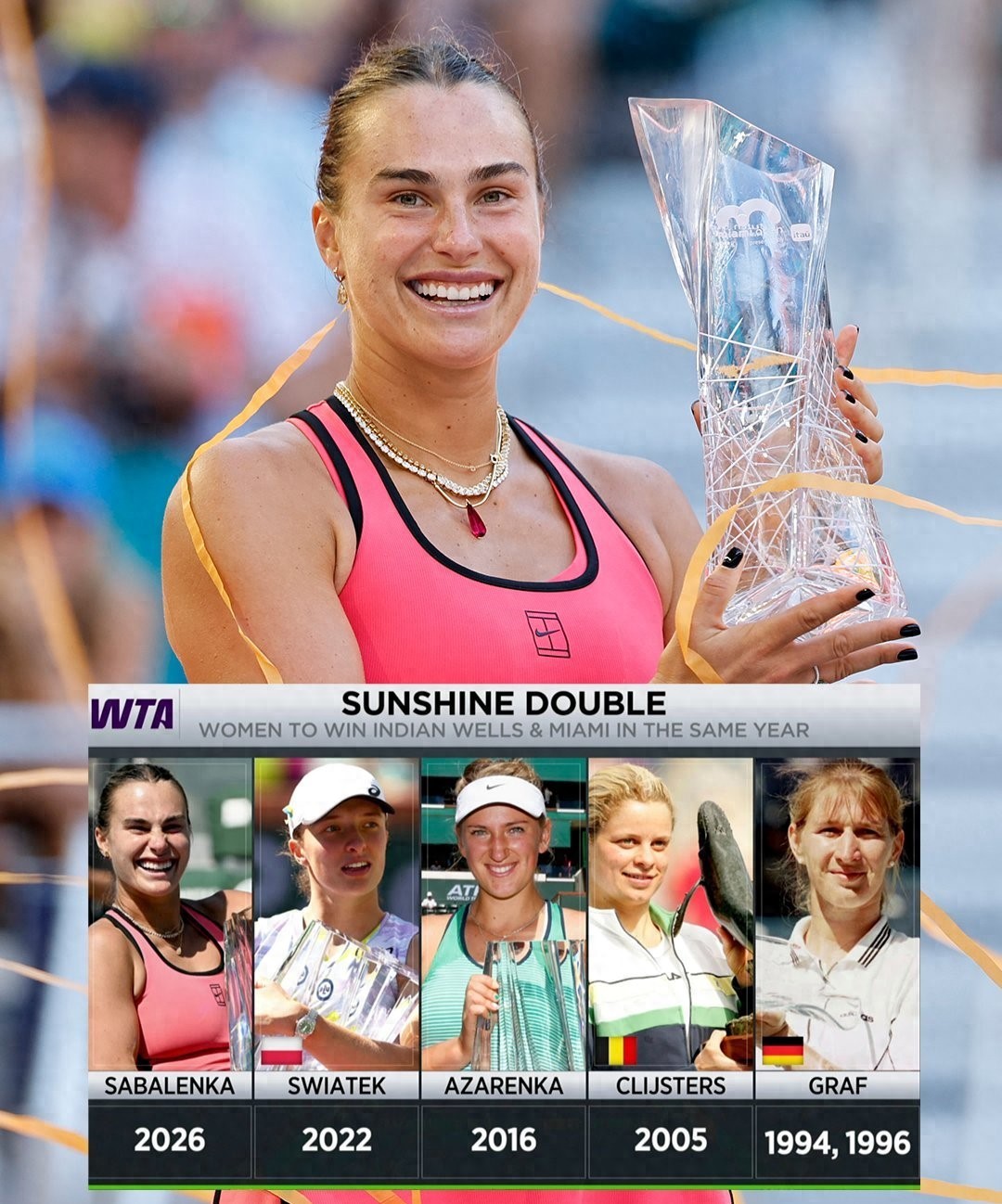
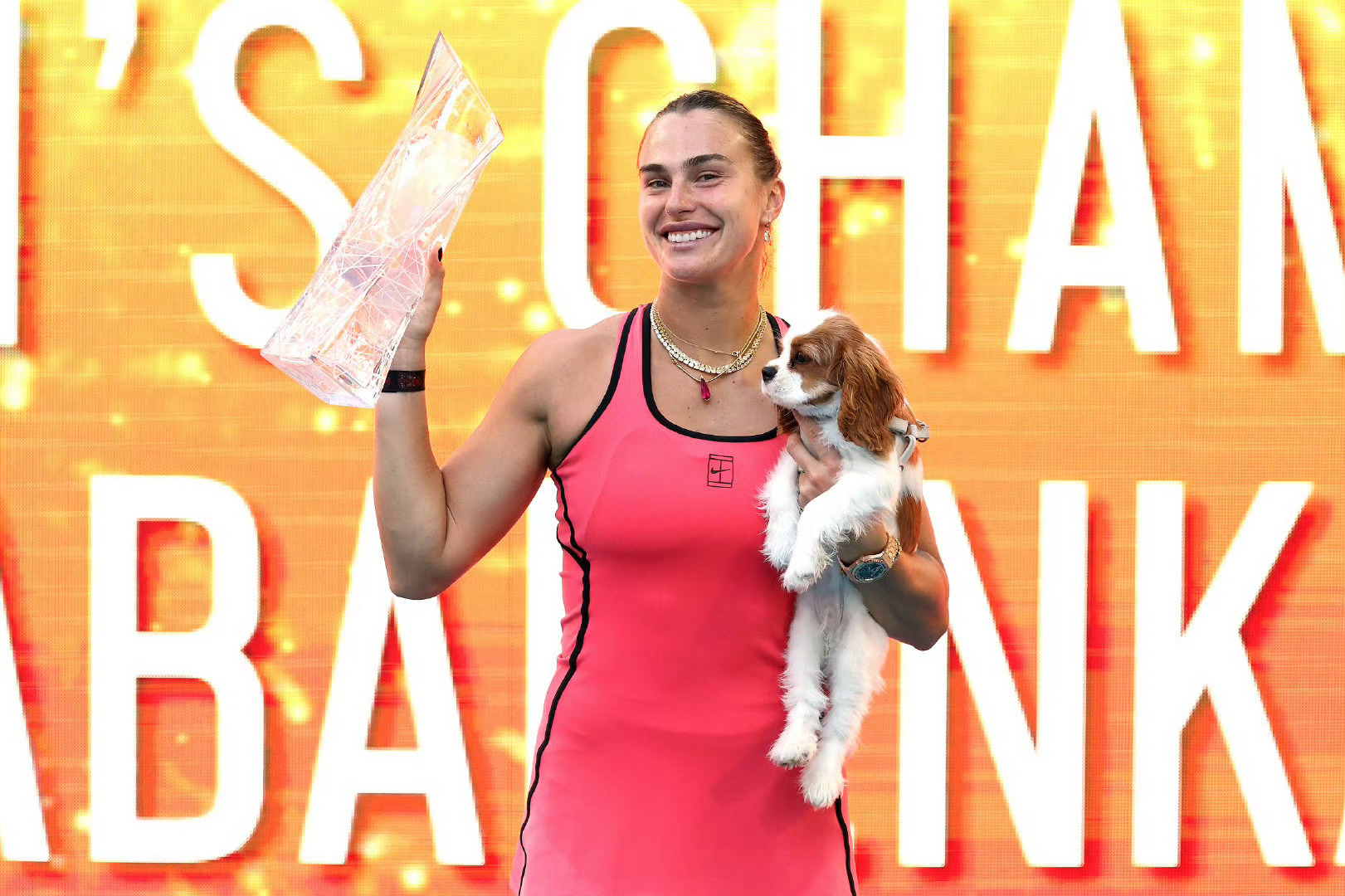
When Aryna Sabalenka lifted the championship trophy on the Miami hard courts, she completed a perfect conquest of the North American spring season—winning back-to-back the Indian Wells and Miami WTA 1000 events, becoming the fifth player in women's tennis history to accomplish the "Sunshine Double." The weight of this achievement feels especially precious against the backdrop of her loss at the Australian Open earlier this year. However, the debate over whether the Sunshine Double or a Grand Slam is more difficult has once again been ignited.
From an intuitive tournament hierarchy perspective, Grand Slams are undoubtedly the crown of the tennis world. The four Grand Slam events gather the most complete field of competitors, employ a best-of-five sets format (though women's matches are best-of-three, the competitive intensity is equally high), and the lengthy journey of seven rounds demands extreme requirements on players' stamina, mental fortitude, and technical reserves. A Grand Slam title is often regarded as the core benchmark defining a great player. While the Sunshine Double is also a top-tier honor, for men's players the two Masters events use a best-of-three sets format, top players receive first-round byes, and in practice only six match wins are needed to claim the title—looking at the "number of wins required to win the championship," it seems the physical toll of a Grand Slam is greater.
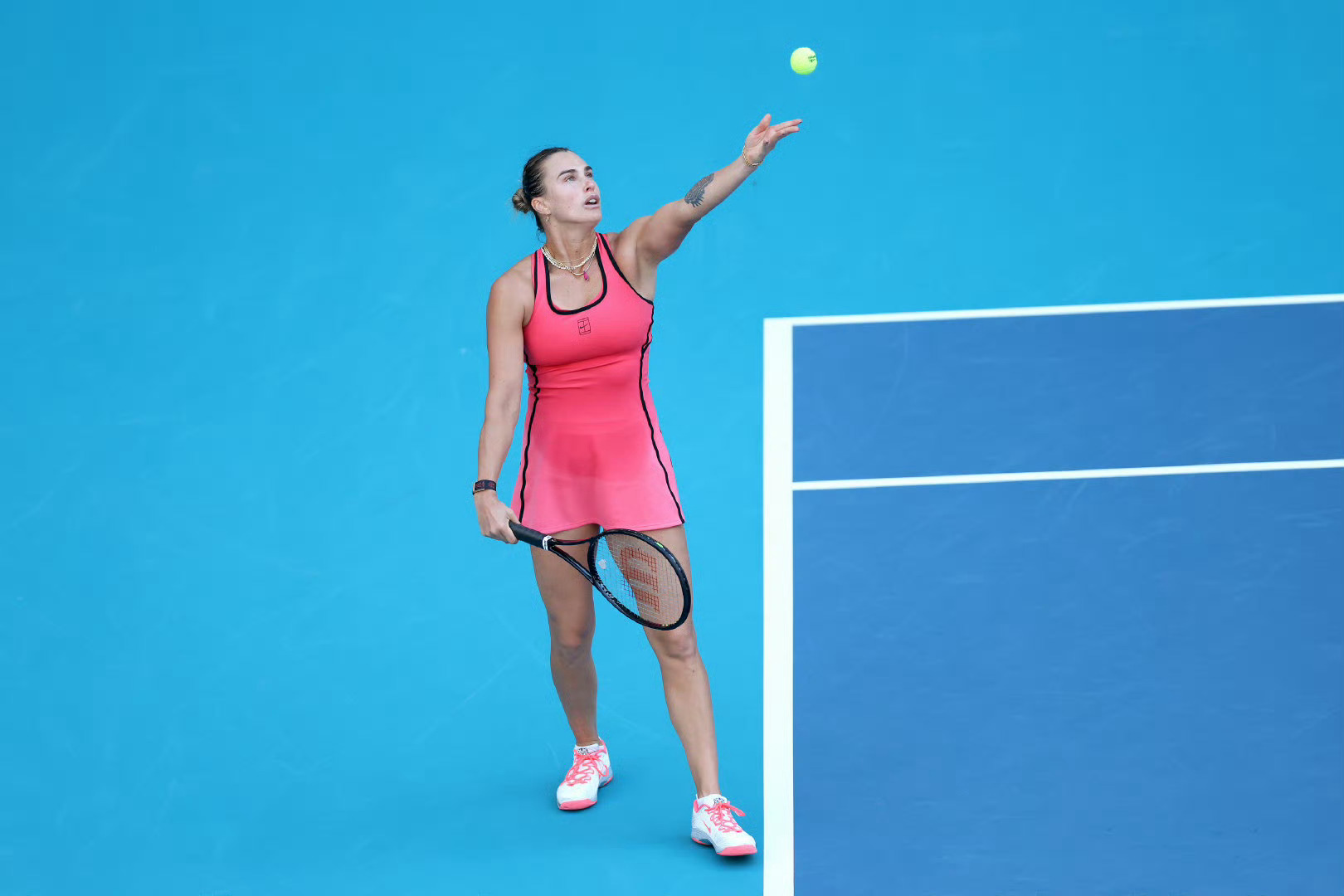
Yet, difficulty is never a simple arithmetic problem. The unique challenge of the Sunshine Double lies first in the dual test of "continuity" and "adaptability." Although the Indian Wells and Miami tournaments are both held on North American hard courts, the court conditions differ significantly—Indian Wells is in a desert region, with relatively slower ball speed and higher bounce; Miami's humid climate makes the ball speed faster and the court "quicker." Players must switch from one court characteristic to another within two weeks, and the two events are held back-to-back with almost no breathing room. This demands not only that players maintain their form continuously, but also that they make technical adjustments in an extremely short time. Maintaining top competitive level for a month, sweeping two top-tier events with nearly full participation, its difficulty lies in "the extreme of consistent output"—any slight fluctuation could lead to total failure.
Data also confirms this. Since the WTA established the Sunshine Double format in the 1990s, over thirty years only five players have accomplished this feat: Graf, Clijsters, Azarenka, Swiatek, and now Sabalenka. The length of this list is even shorter than that of many multi-Grand Slam champions in the same period. In other words, the rarity of achieving the Sunshine Double, in certain years, even surpasses winning a Grand Slam.
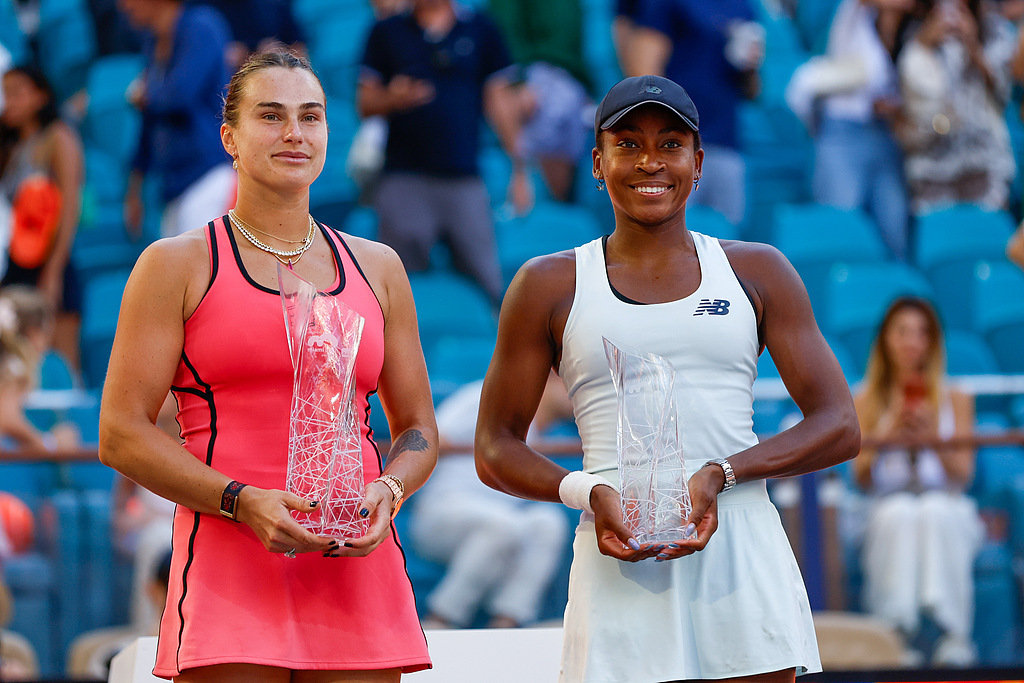
On the other hand, the difficulty of a Grand Slam title manifests in the combination of "psychological pressure" and "depth of the draw." Seven rounds at a Grand Slam mean more opportunities for "upsets," any round with a dip in form could result in elimination. More importantly, Grand Slams carry historical weight—for most players, Grand Slams are the sole benchmark defining a career, a psychological pressure unmatched by 1000-level tournaments. Sabalenka herself is the best example: her loss at the 2026 Australian Open proves that even at peak form, any detail in a Grand Slam journey can become a stumbling block. In the relatively "easier" environment of 1000-level tournaments, she instead can unleash herself and play more dominant tennis.
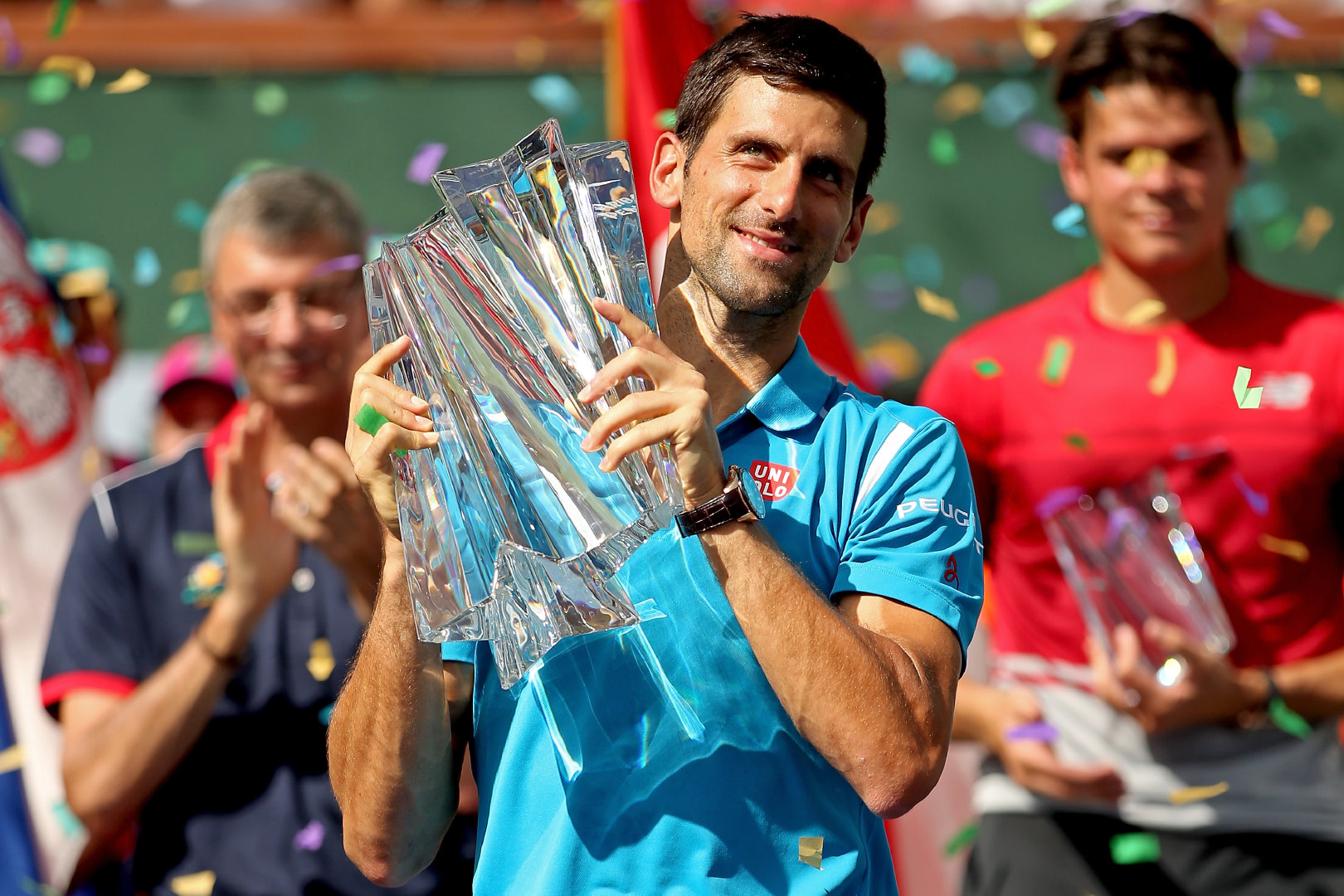
So, which is truly harder? The answer perhaps lies in different dimensions of "difficulty." If "hard" refers to the brutality and historical burden of winning a single tournament, Grand Slams undoubtedly are more severe. A Grand Slam title requires a player to defeat opponents seven times over two weeks and withstand the spotlight of the entire tennis world psychologically. But if "hard" refers to sustaining peak performance over a short period and seamlessly adapting to two different court conditions, the challenge of the Sunshine Double is equally daunting. The former tests "peak height," the latter tests "average stability" and "adaptability."
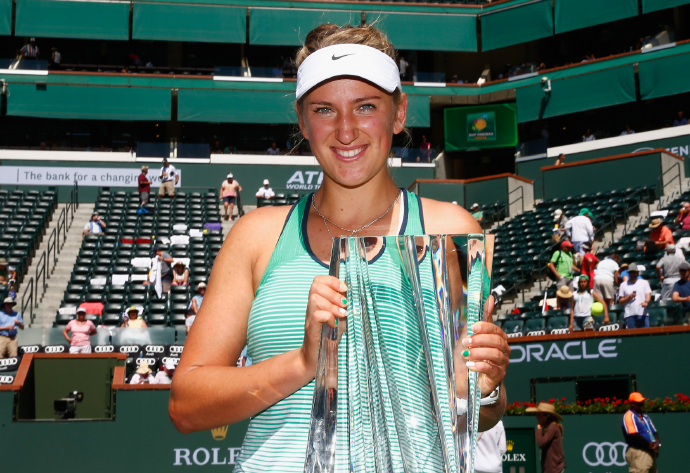
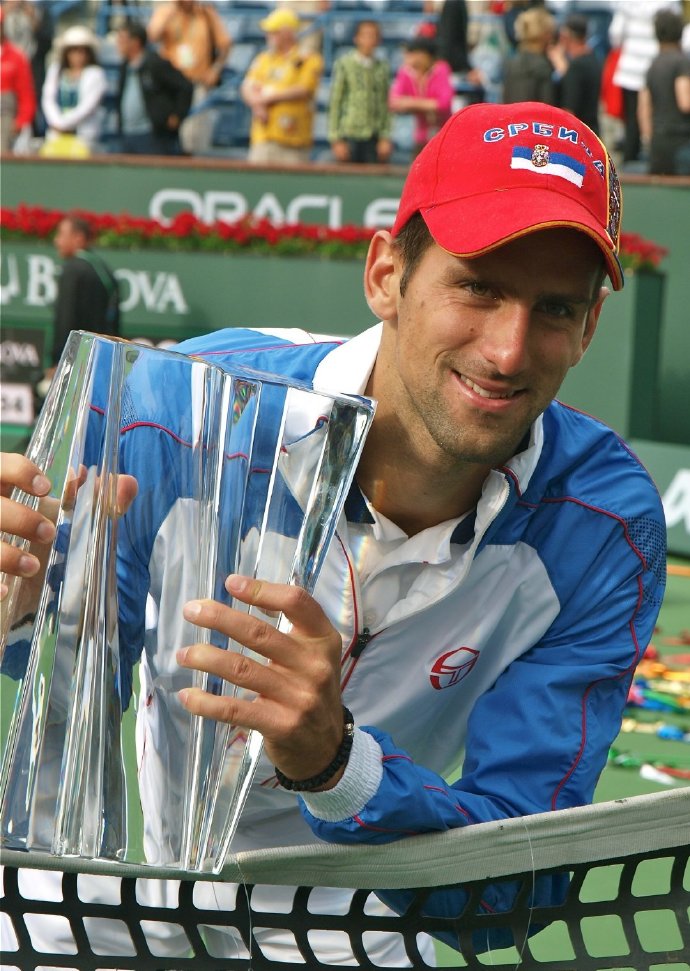
Sabalenka's Sunshine Double is particularly notable because it occurred in the context of a "rebound" after her Australian Open loss. This precisely reveals another relationship between the two types of achievements: they are not opposing, but mutually reinforcing. The Sunshine Double proves a player's absolute dominance at the tour level, and such dominance often serves as the "foundation" for winning Grand Slams; conversely, the glory of a Grand Slam title adds historical depth to the Sunshine Double. When Azarenka completed the Sunshine Double in 2016, people were also debating this issue, and her answer was simple: "Both are difficult, accomplishing either one is worthy of pride."
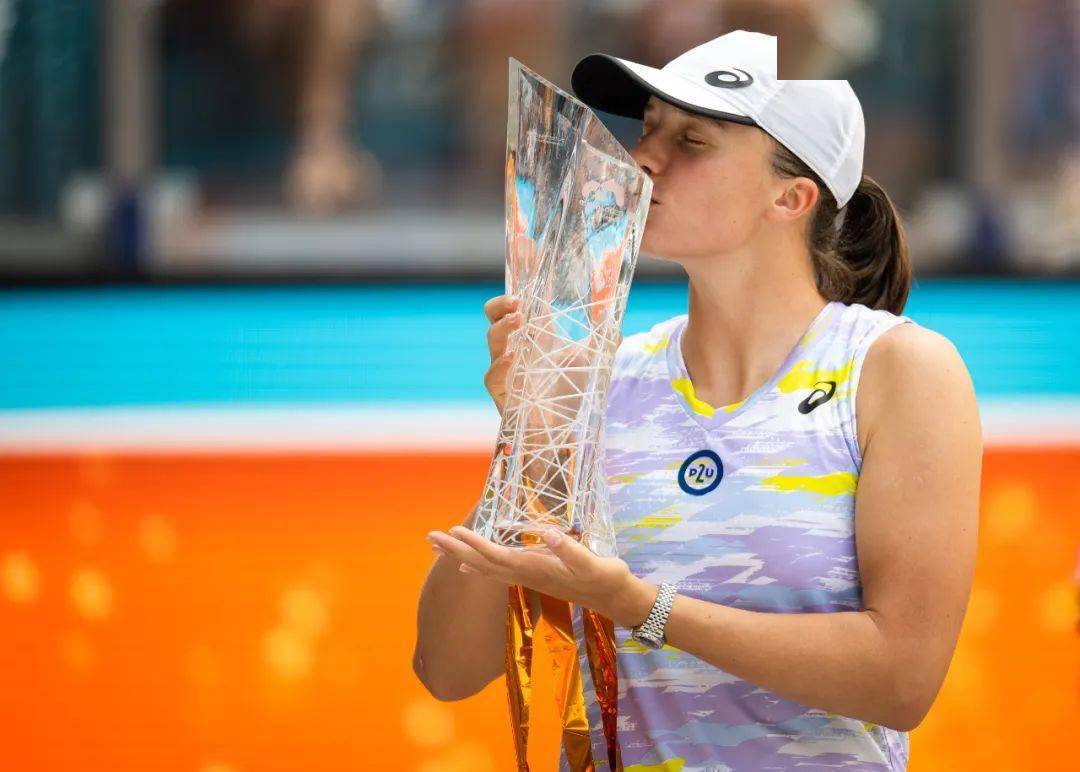
Perhaps, for fans and commentators, the enthusiasm for comparing "which is harder" is itself part of tennis culture—we crave ranking achievements and grading history. But what truly deserves remembrance is the nearly obsessive resilience Sabalenka displayed during the North American spring: after falling at the Australian Open, she did not wallow in disappointment, but instead redefined her season with one trophy after another. The debate over whether the Sunshine Double or a Grand Slam title is harder will fade with time, but the story of "achieving the Sunshine Double after a loss" itself will become another footnote in tennis history about resilience and dominance.
Ultimately, whether it's the Sunshine Double or a Grand Slam title, they are merely different yardsticks for measuring greatness. The true difficulty never lies in the tournament format itself, but in whether one can prove, under the spotlight and at the dual limits of body and mind, time and again: I belong here.(Source: Tennis Home Author: Xiao Di)

 Links
Links
 Contact
Address:UNIT 1804 SOUTH BANK TOWER, 55 UPPER GROUND,LONDON ENGLAND SE1 9E
Number:+85259695367
E-mali:[email protected]
 App
App


