



Cash: Djokovic is not the GOAT, people forget that players in Rod Laver's era used wooden rackets.


The debate over the "Greatest of All Time" (GOAT) in tennis seems never to truly settle. Even though Novak Djokovic has surpassed Roger Federer, Rafael Nadal, and many tennis legends in key metrics like Grand Slam titles and weeks at world No. 1, the discussion hasn't reached a conclusion. Recently, former Wimbledon champion and Australian tennis legend Pat Cash bluntly stated in a podcast that he does not consider Djokovic the GOAT, warning the public not to easily erase the glory of past champions due to "short-term memory."

Cash elaborated on his view in the podcast, arguing that hastily awarding the "Greatest of All Time" title to any current player disrespects tennis's long history.
"I don't think anyone can call him the GOAT," Cash firmly stated. "That's exactly why this topic is so fascinating. We should dedicate another podcast episode to exchange ideas, share theories, examine some data, and delve deeper."
Cash specifically mentioned Australian legend Rod Laver as an example of "era differences" in evaluation criteria. He noted that Laver's achievements, both before and during the Open Era, were accomplished under vastly different technical conditions: "When you know tennis history, you remember Rod Laver played with wooden rackets... There are too many factors to consider."
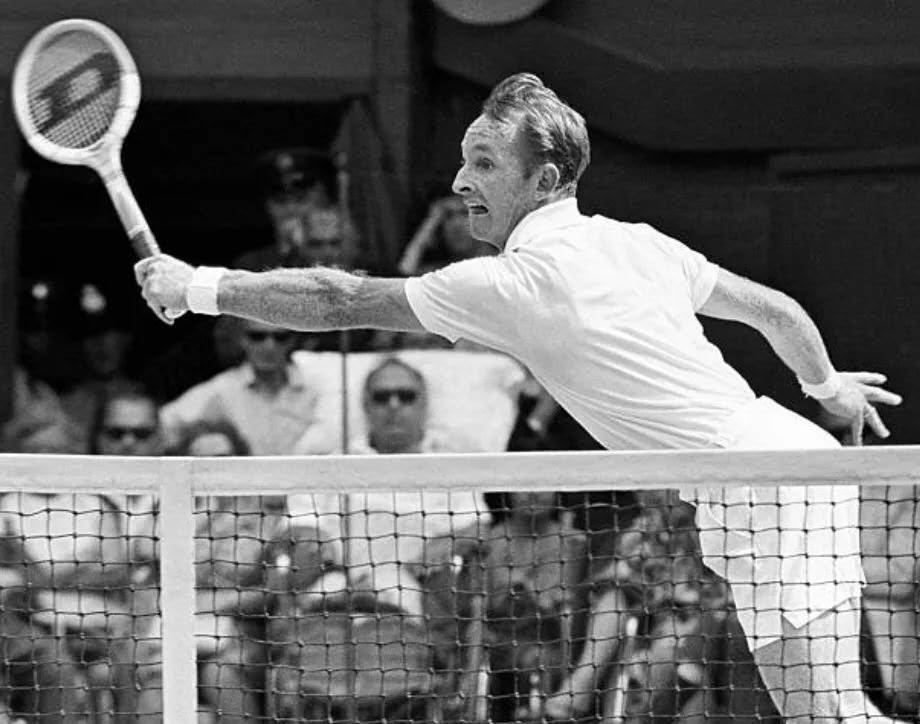
In Cash's view, cross-era comparisons shouldn't focus solely on cold numbers. He criticized the forgetfulness and impatience of current public discourse: "We tend to forget great figures too quickly, then declare someone the greatest. Then, with just a slight setback, we change our minds: 'Ah, actually he's not the best anymore.' In fact, our memory is far too short."
It's worth noting that Cash's opinion isn't isolated. Tennis legend John McEnroe has expressed similar views, stating it's difficult to directly compare players from different eras with different racket technologies: "If you had today's players using wooden rackets, the game would be completely different."
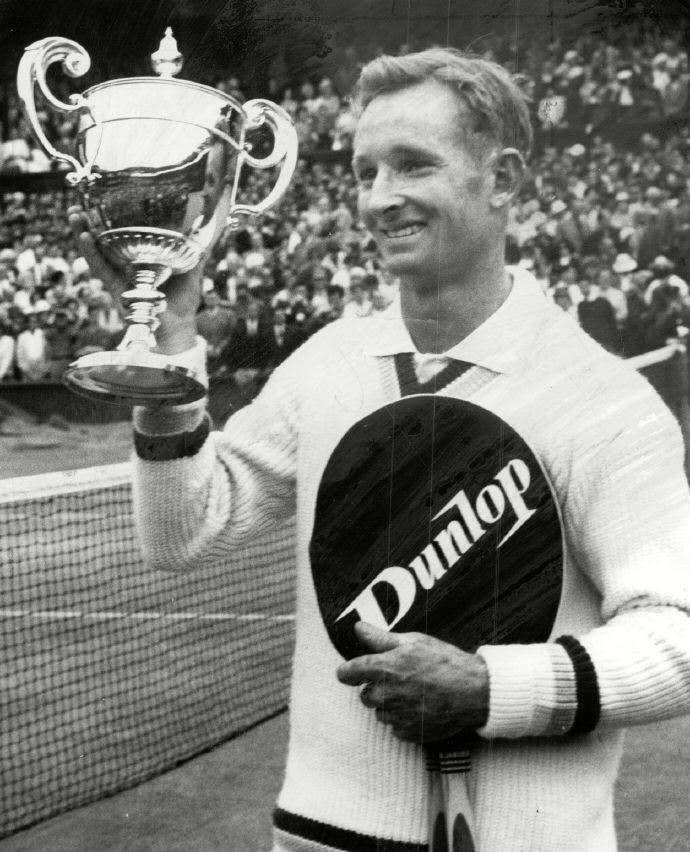
Another legend, Mats Wilander, while acknowledging Djokovic's unmatched statistics, also emphasized that Rod Laver's feat of winning all four Grand Slams in a single year (1969) is another measure of greatness.
German tennis legend Boris Becker attempted to balance this contradiction in his commentary. On one hand, he affirmed Djokovic's dominance; on the other, he pointed out: "Roger (Federer) changed tennis, Rafa (Nadal) brought competition, Novak pushed the data to the extreme. They are great in different dimensions."
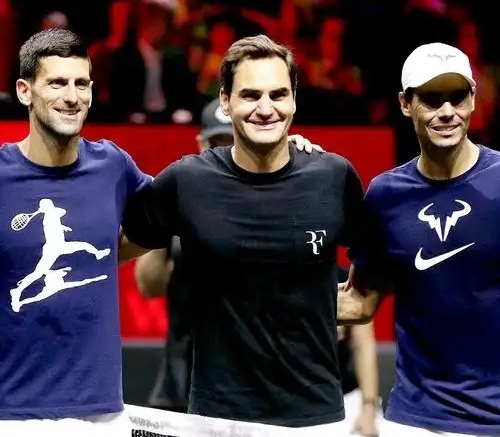
After Cash's remarks were reported by media, global netizens engaged in heated debates on social media, with comments showing clear polarization.
Some netizens agreed with Cash's view, arguing that the GOAT discussion shouldn't become a mere "numbers" game. A user with ID @TennisHistoryBuff commented: "Finally someone dares to speak truth. Laver completed the calendar Grand Slam using wooden rackets, meaning he had to handle different serve-and-volley tactics, different ball speeds, and different injury recovery conditions. Comparing only Grand Slam counts is unfair to tennis's technological evolution."
Another user wrote: "Cash is right, our memory is too short. Djokovic is undoubtedly the hardcourt stats king, but greatness isn't just numbers in an Excel sheet. It also includes influence on the sport's culture, elegance, and dominance facing different challenges across eras."

However, many fans rebutted this view, arguing that data is the most objective standard to eliminate subjective bias. One user stated bluntly: "This argument is absurd! Djokovic leads Nadal and Federer in direct head-to-head matches, has the most Grand Slam titles, the most Masters titles, the most weeks at No. 1. If this doesn't make him the GOAT, then what exactly is the GOAT standard?"
Another user analyzed from a competitive level perspective: "Advances in sports science, nutrition, and training methods are objective. Today's tennis demands far more physically and in return-of-serve than in the past. In other words, if Rod Laver traveled to today, could he achieve the same? We must put a big question mark on that. Therefore, using so-called era-iteration perspectives to judge is essentially 'falsification,' akin to asking whether you'd consider how people decades or centuries ago did something before you act and then imitate them. So, this view is laughable."

Additionally, some neutral netizens tried to "mediate." User @RacketAndRuin commented: "Why must there be only one GOAT? Federer is the GOAT of box office and elegance, Nadal is the GOAT of clay and willpower, Djokovic is the GOAT of data and hardcourt, Laver is the GOAT of cross-era dominance. Tennis's greatness lies precisely in accommodating so many different types of great players."

Whether it's "data determinism," "era influence determinism," or "technical completeness determinism," opinions vary. But Cash might be right about one thing—this topic is fascinating precisely because it has no definitive answer. With Djokovic still competing and young stars like Alcaraz and Sinner rising strongly, the discussion on "greatness" may never end. But it's certain that each debate is a retrospective tribute to tennis history.(Source: Tennis Home Author: Lu Xiaotian)

 Links
Links
 Contact
Address:UNIT 1804 SOUTH BANK TOWER, 55 UPPER GROUND,LONDON ENGLAND SE1 9E
Number:+85259695367
E-mali:[email protected]
 App
App


